
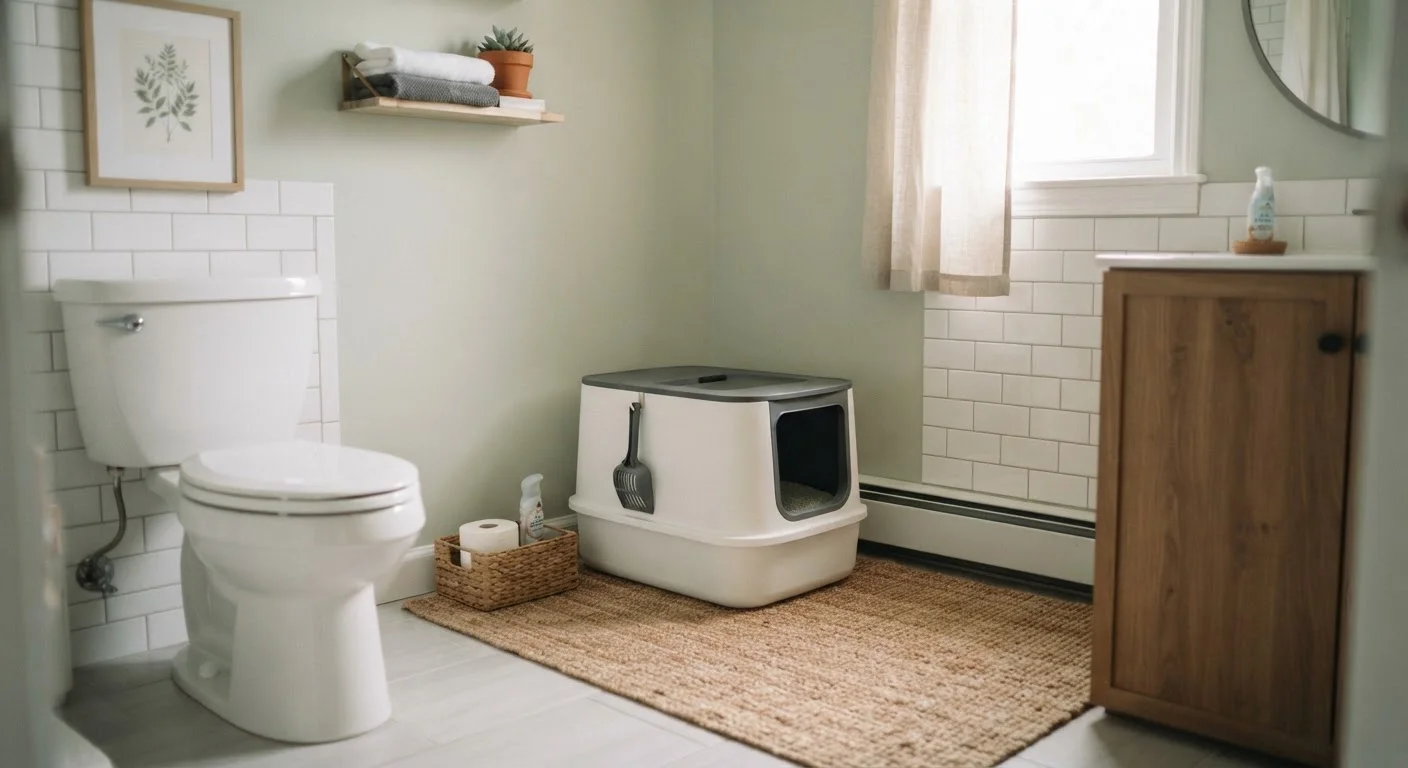
Why Litter Box Setup Matters More Than Most Owners Realize
Litter box avoidance is one of the most common behavioral complaints among cat owners, and it's frequently misread as stubbornness or spite. In reality, cats that eliminate outside the box are usually reacting to something specific about the box itself — its size, cleanliness, location, or litter type. Understanding what cats need from a litter box makes the solution far more straightforward than most people expect.
If you're setting up for a cat joining your household for the first time, this is an ideal moment to get it right from the start. The guide to bringing a cat home for the first time covers how litter box setup fits into broader first-day preparation.
Sudden Avoidance May Signal a Health Problem
If a cat that previously used its litter box consistently suddenly stops, this can indicate a urinary tract infection, kidney issue, or other medical concern. Do not assume the problem is behavioral. Contact your veterinarian promptly so the underlying cause can be ruled out or treated.
What You'll Need Before You Start
Before placing a single scoop of litter, make sure you have the right equipment. Undersized boxes, heavily scented litters, and inadequate cleaning tools are behind a surprising number of litter box problems.
What you will need
Litter Box
The primary container — open-top boxes are generally preferred by cats over covered designs.
Unscented Clumping Litter
Forms solid clumps for easy scooping and is accepted by most cats without irritation.
Litter Scoop
Used to remove waste clumps daily to keep the box clean and acceptable to your cat.
Litter Mat
Placed outside the box to catch tracked litter and keep the surrounding area tidy.
Mild, Unscented Dish Soap
Used for the weekly full clean of the box — harsh chemical cleaners can leave residue cats find off-putting.
Step-by-Step: Setting Up the Box
Follow these steps in order. Each element — size, litter type, fill depth, placement, quantity, and cleaning routine — works together. Skipping or guessing at any one of them can undermine the whole setup.
Choose the right box size
Select a box that is at least one and a half times the length of your cat from nose to tail base. Most commercially available boxes are undersized for adult cats, especially large breeds. A cat that feels cramped while turning or covering waste is less likely to return to that box. Low-sided entry points help kittens, senior cats, and cats with arthritis step in comfortably.
Select an appropriate litter
Most cats prefer a fine-grained, unscented clumping litter. This texture is closer to the loose soil cats instinctively gravitate toward. Avoid heavily perfumed varieties — the scent masks odor for humans but can be overwhelming and aversive to cats. If your cat has shown preferences in the past, defer to those. Kittens under four months should not use clumping litter, as ingestion poses a risk — a non-clumping alternative is safer for very young cats.
Fill the box to the correct depth
Pour approximately two inches of litter into the box. This gives cats enough material to dig and cover waste, which is a behavioral need — not just a preference. More than three inches can cause some cats to track excessive litter out of the box, while too little leaves them unable to bury waste adequately.
Place the box in a suitable location
Location is one of the most underestimated factors in litter box acceptance. Place the box in a quiet, low-traffic area where the cat can approach from multiple angles and won't feel trapped. Avoid placing boxes near loud appliances like washing machines or next to food and water bowls. Basements can work if they're consistently accessible, but a cat that feels unsafe traveling there under stress may eliminate elsewhere instead.
Follow the one-plus-one box rule
The standard behavioral guideline is one litter box per cat in the household, plus one additional box. A single-cat home should have two boxes; a two-cat home should have three. This prevents resource competition and gives cats options if one box becomes temporarily soiled. Spread boxes across different rooms or areas rather than clustering them together — a cluster functions like one box in a cat's perception of territory. For more on managing resources in shared spaces, see managing litter boxes in multi-cat households.
Establish a cleaning schedule
Scoop the box at least once per day — twice daily is better. Cats are sensitive to odor and will avoid a box they find too soiled. Once a week, empty the box completely, wash it with warm water and a small amount of mild unscented dish soap, rinse thoroughly, dry it, and refill with fresh litter. Avoid bleach or strong chemical cleaners, which can leave residue that repels cats. Replace the box entirely every one to two years, or sooner if it develops deep scratches that harbor bacteria and odor.
Introduce Changes Gradually
If you need to switch litter types or move the box to a new location, do it incrementally over one to two weeks. Abrupt changes can cause cats to reject the box entirely, especially cats that are already sensitive to environmental shifts.
Troubleshooting Common Problems
Even a well-configured box can run into issues. If your cat uses the box inconsistently, start by ruling out a medical cause — urinary discomfort is a common trigger for avoidance that owners initially attribute to behavior. Once medical causes are cleared, evaluate each setup factor: Is the box large enough? Is it being scooped daily? Is the location quiet and accessible at all hours?
Covered boxes are worth reconsidering if your cat avoids its box. While they appeal to owners managing odor concerns, many cats dislike the enclosed feeling — particularly if another cat in the household waits near the entrance. If you've already optimized the setup and problems persist, litter box problems and what they signal offers a deeper look at behavioral and medical causes.
Avoid Scented Litter and Air Fresheners Nearby
Cats have a sense of smell far more sensitive than humans. Scented litters, deodorizing sprays, and plug-in air fresheners placed near the box can make the area aversive. Stick to unscented litter and rely on consistent scooping to manage odor instead.
Consistency in the litter box routine connects directly to your cat's broader sense of security. A stable daily schedule — feeding, play, and litter maintenance at predictable times — reduces anxiety-driven behavior. The guide to building a routine that works for your cat explains how to put that structure in place.
This article is for general informational purposes only and is not a substitute for professional veterinary advice. If your cat is showing signs of illness or sudden behavioral changes, consult a licensed veterinarian.