Why Preparation Matters Before a Boarding Stay
Leaving your dog with a boarding facility or pet sitter can be straightforward — or surprisingly stressful — depending on how well you prepare. Dogs thrive on routine, and an unfamiliar environment with new smells, sounds, and people can be disorienting without the right setup. The good news: most of what can go wrong is preventable with a focused checklist worked through a few days in advance.
This checklist covers everything from health documentation to packing the right items. Whether your dog is a first-time boarder or a seasoned traveler, the steps below help ensure their stay is safe and as comfortable as possible. If you're a first-time dog owner still getting your footing, our new owner guide covers the foundational routines that make boarding prep much easier.
Health and Vaccination Records
Medication and Health Instructions
Behavioral and Routine Information
Packing and Comfort Items
Emergency and Contact Preparation
Tools and Documents to Have Ready
Before you work through the checklist, gather the materials you'll need. Having these on hand prevents last-minute scrambles.
Vaccination records
Required documentation proving your dog's immunization status, typically provided by your veterinarian.
Written medication instructions
A clearly written note detailing drug names, doses, timing, and administration methods for boarding staff.
Dog's regular food supply
Bringing your dog's own food prevents digestive upset caused by switching brands or formulas.
Identification tags and collar
Ensure your dog's collar has a current ID tag with your phone number in case of separation.
Comfort item from home
A familiar-smelling blanket or clothing item can help reduce anxiety in an unfamiliar environment.
Behavior profile sheet
A simple written summary of your dog's temperament, triggers, and routine to share with staff.
Don't Rely Solely on Verbal Instructions
Boarding staff manage multiple dogs simultaneously and shift changes happen. Verbal instructions about medications, diet restrictions, or behavioral concerns can easily be lost in handoff. Always put critical details in writing and confirm that your written instructions have been received and attached to your dog's file.
A Note on Your Dog's Health and Medications
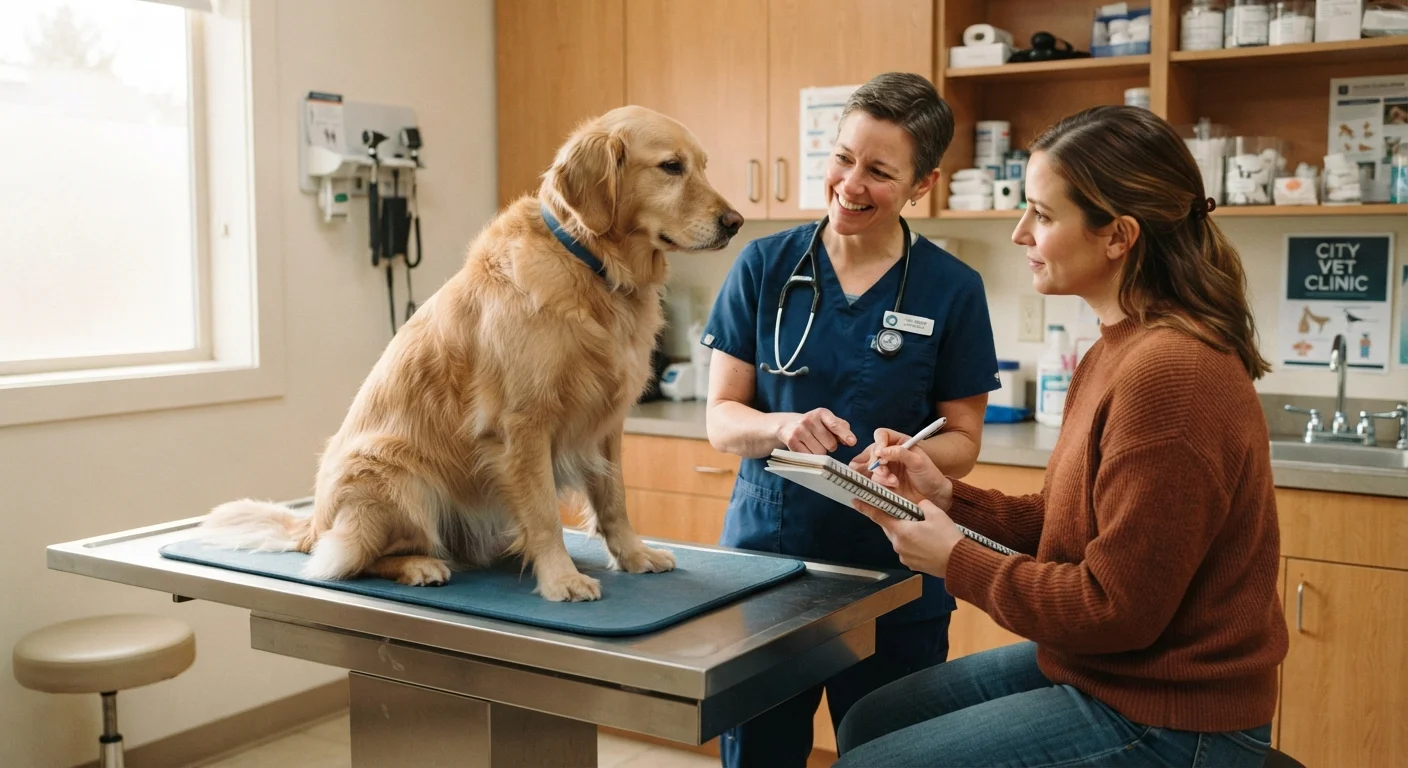
Boarding facilities see dogs from many households, which means contagious illnesses — like kennel cough — can spread even in well-run environments. Staying current on vaccines is the single most effective protective step you can take. Always confirm with your vet which vaccinations your specific dog needs based on their age, health status, and the type of facility you're using.
If your dog takes any medications, write out the exact instructions clearly — do not rely on verbal communication alone. Include the medication name, dose, frequency, and what to do if a dose is missed. This applies to supplements and topical treatments too.
Vaccinations Need Time to Take Effect
Some vaccines — particularly Bordetella — need at least 48 to 72 hours after administration before they provide meaningful protection. Don't wait until the day before boarding to schedule a vaccine update. If your dog has never been vaccinated or is significantly overdue, consult your veterinarian several weeks in advance to allow time for proper immunization and any required boosters.
For broader preventive health habits, the preventive care hub offers useful context on staying ahead of health issues year-round.