Why Dogs Pull: It's Not What Most Owners Think
Dogs don't pull on the leash out of dominance or spite. They pull because forward movement works — they get to the smell, the dog, or the patch of grass faster. From a dog's perspective, pulling is logical and self-reinforcing. Every time the walk continues while the leash is taut, the dog learns that pulling gets results.
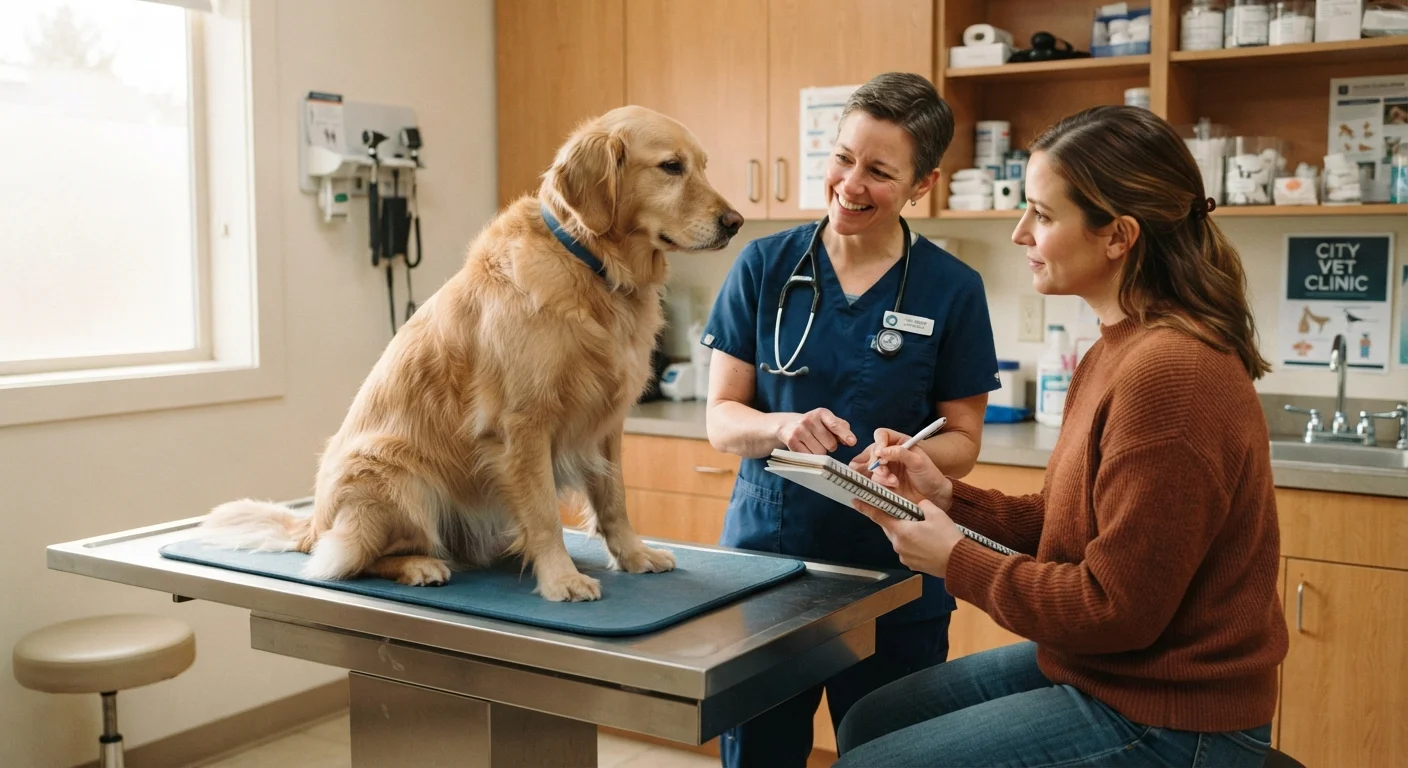
That said, pulling can also signal something less obvious. A dog that suddenly starts pulling more than usual, or that lunges and strains in ways that seem frantic, may be communicating stress, frustration, or even physical discomfort. subtle signs of pain in dogs — such as stiffness or reluctance to slow down — can sometimes show up during walks before they're apparent at home. If behavior changes significantly without explanation, a veterinary check is a reasonable first step.
Understanding the cause of pulling in your specific dog is where effective training begins. reading your dog's body language during walks — ears, tail, posture, and gaze — can tell you whether your dog is excited, anxious, or simply overstimulated.
Common Mistakes That Keep the Pulling Going
Most owners don't realize their own habits are reinforcing the behavior they want to stop. The following mistakes are especially common — and correctable.
Continuing to walk while the leash is tight.
Why it happens: Owners want to complete the walk and assume the dog will eventually tire out. In reality, they are repeatedly rewarding pulling by allowing forward movement.
Switching equipment without changing technique.
Why it happens: Harnesses, head collars, and no-pull tools can reduce the physical force of pulling, but they don't teach a dog what to do instead. Many owners expect the gear to do the training.
Inconsistent rules across different family members.
Why it happens: One person stops when the dog pulls; another keeps going. Dogs learn context quickly — they'll pull with the person who moves forward and walk nicely with the one who doesn't.
Skipping reinforcement once the dog improves.
Why it happens: When pulling decreases, owners often stop rewarding loose-leash behavior, assuming the dog "knows" what to do. Without reinforcement, the behavior fades.
Using punishment or leash corrections as the primary response.
Why it happens: Pulling can feel confrontational, and yanking back feels like a natural counter. However, corrections can increase anxiety or frustration, especially in dogs that pull due to stress.
Building Better Walks: What Actually Helps
~80%
Dog owners who report leash pulling as a problem
Leash pulling is consistently cited in veterinary and trainer surveys as one of the top behavioral complaints among dog owners in the U.S.
4–6 weeks
Typical timeframe for loose-leash improvement
Certified trainers generally note that with daily, consistent practice, most dogs show measurable improvement in loose-leash behavior within four to six weeks.
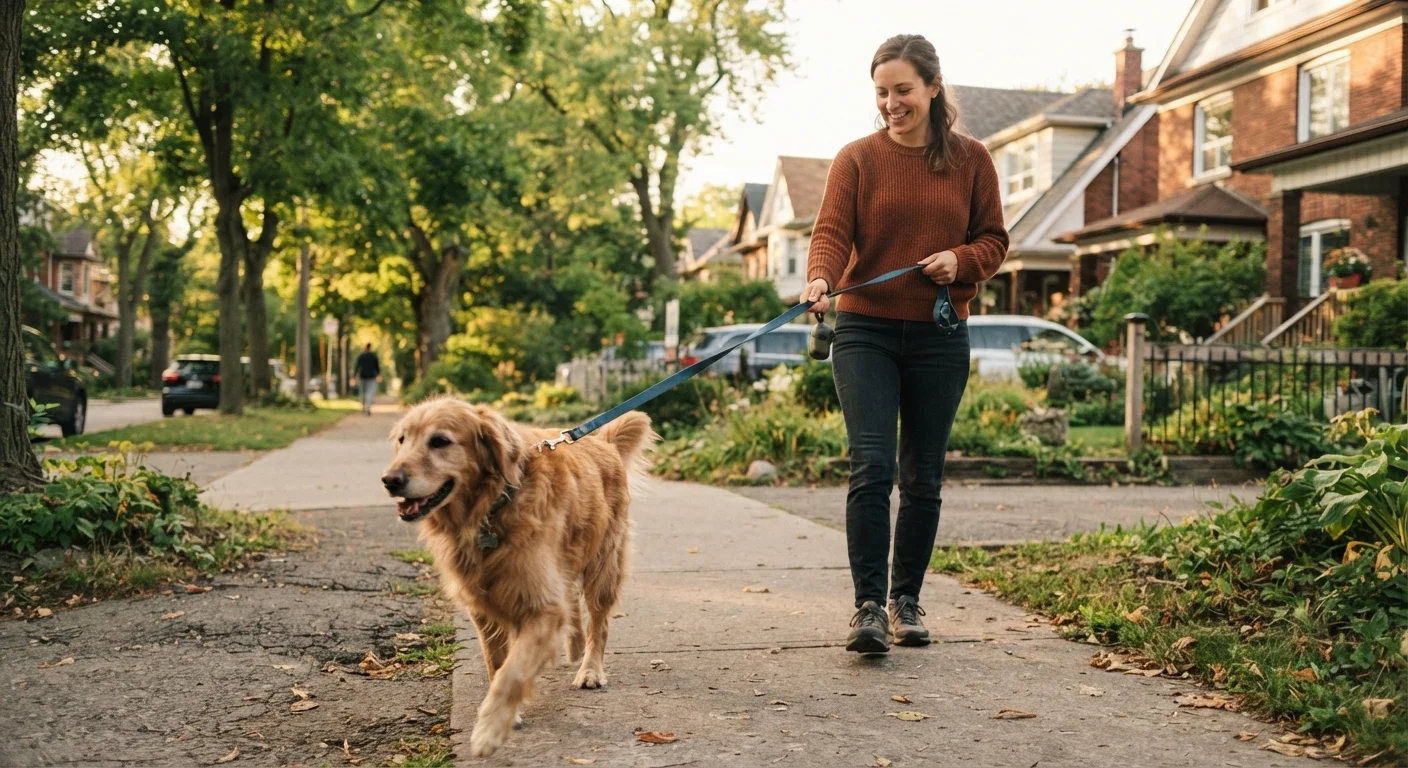
Effective loose-leash walking takes repetition, not just willpower. The core principle: forward movement is the reward, and it only happens when the leash is slack. The moment tension builds, stop walking. When your dog returns to a loose leash, resume. This takes patience — especially in the first few weeks — but the pattern becomes clear to dogs quickly.
Short sessions of five to ten minutes in low-distraction environments are more productive than long walks where the dog pulls the entire time. As your dog improves, gradually introduce higher-distraction areas. Always end on a success.
If your dog is extremely reactive or the pulling is severe enough to create a safety risk, working with a certified professional dog trainer or veterinary behaviorist can accelerate progress significantly. Look for trainers who use reward-based methods and are credentialed through recognized organizations.
When Pulling May Signal a Health Issue
A sudden increase in pulling, lunging, or frantic behavior on walks — especially in a dog that previously walked calmly — can sometimes indicate pain, vision changes, or neurological issues. If the behavior change is abrupt or accompanied by other symptoms, consult your veterinarian before continuing training. Behavioral modification is most effective when physical causes have been ruled out.
Patience and consistency — across all people who walk your dog — remain the foundation. Walking on a loose leash is a skill, and like any skill, it builds with practice over time.