10 Things That Can Harm the Eyes

10 Things That Can Harm the Eyes
Annual eye exams can help detect changes in vision and also aid in keeping eye infections and diseases at bay. While many eyesight issues can develop due to age and existing health conditions, certain daily habits can increase the risk of such problems. While an ophthalmologist can help one find solutions to correct, improve, and resolve vision-related issues, one should also avoid doing the following things to improve eye health: Things to avoid Not choosing nutrient-rich food The human body needs nutrients and minerals to carry out vital functions. So, when one skips nutrient-rich meals, it can lead to a deficiency that can affect overall health, including vision. Further, a vitamin deficiency can damage the optic nerve. So, one should choose foods that provide essential nutrients; for instance, foods like beans and fresh fruits and vegetables like kale, spinach, and lemon are great additions to meal plans. Excessive sun exposure One of the worst things that can hurt the eyes is staring at the sun. Typically, looking at the sun without any protective gear can cause a burning sensation. Here, the damage to the retina develops within a few seconds and causes discomfort. So, healthcare professionals recommend using special-purpose solar-filtered lenses to protect the eyes from such harm.


8 Signs of Weak Immunity Due to High Sugar

8 Signs of Weak Immunity Due to High Sugar
A person’s immune system is critical for their survival. People tend to have longer and healthier lives when their immunity is consistently strong. Good, nutritious food is important in maintaining one’s immune system’s strength. On the other hand, certain foods can have a detrimental effect on one’s immunity. Sugar is one such food element that weakens the immune system. Here are some signs of a poor immune system due to excessive sugar intake: High-stress levels Stress has always been associated with weakened immunity in people. That is why, after a particularly stressful day at work, people are more likely than not to call in sick the following morning. Stress results from weakened immune responses caused due to illness or other bodily conditions. Stress tends to decrease the count of the body’s lymphocytes, the white blood cells responsible for battling infection. Sugar consumption causes a stress response in one’s body. Anxiety and stress are closely linked with a person’s blood sugar rising or falling. Blood sugar triggers various mental health issues, such as depression, insomnia, a lack of focus, memory issues, a constant feeling of being overwhelmed, inflammation, and other issues. A reason for these problems is that sugar suppresses the hypothalamic-pituitary-adrenal (HPA) axis in a person’s brain.

Liver damage due to high sugar intake – Signs and remedies

Liver damage due to high sugar intake – Signs and remedies
The adverse effects of eating too much sugar are not limited to just diabetes and dental issues. The liver, responsible for detoxifying the body and regulating metabolic processes, can also fall victim to sugar overload. Individuals who relish sweets too often should learn to recognize the signs of liver disease due to excessive sugar intake. Besides listing the indicators of liver damage, this post discusses how to maintain liver health to prevent complications. Signs of liver disease due to excessive sugar intake While the symptoms listed below could result from several conditions, they are commonly linked to kidney disease, which may occur gradually due to high sugar intake: Fatigue and weakness Persistent fatigue and weakness are common signs of liver disease. When the liver is overwhelmed by excessive sugar intake, it becomes inflamed and suffers from cell damage. As a result, its ability to store and release glucose for energy production can get affected. When the body’s cells and tissues do not receive glucose, individuals experience unexplained fatigue and a general lack of energy. Abdominal discomfort Liver disease caused by excessive sugar intake can result in abdominal discomfort. Individuals may experience pain where the liver is located. This symptom can range from mild to severe and may be accompanied by bloating or a sense of pressure.

Herpes simplex virus – Symptoms, causes, and management

Herpes simplex virus – Symptoms, causes, and management
Herpes simplex virus (HSV), commonly known as herpes, is an infection that may result in painful blisters or ulcers. The disease is primarily spread through skin-to-skin contact. There are two types of the herpes simplex virus, type 1 and type 2. According to researchers, around 3.7 billion people under age 50 are diagnosed with herpes simplex virus type 1 (HSV-1) infection, and about 491 million aged 15 to 49 globally with herpes simplex virus type 2 (HSV-2) infection. Symptoms There are a few things that one should note about the symptoms of the herpes simplex virus. Most people with herpes do not experience any symptoms or only mild symptoms. Others might not even be aware that they have the infection and may pass it along to others unknowingly. The symptoms of the condition may include painful, recurring blisters or ulcers. Furthermore, new infections may result in body aches, a fever, and swollen lymph nodes. An individual with the disease might experience varied symptoms during the first episode of infection than when it recurs. If symptoms occur, they might begin with itching, tingling, or burning sensations near where the sores appear. The common symptoms of oral herpes include blisters (cold sores) or open sores (ulcers) around the mouth or lips.

10 Superfoods for a Healthy Immune System

10 Superfoods for a Healthy Immune System
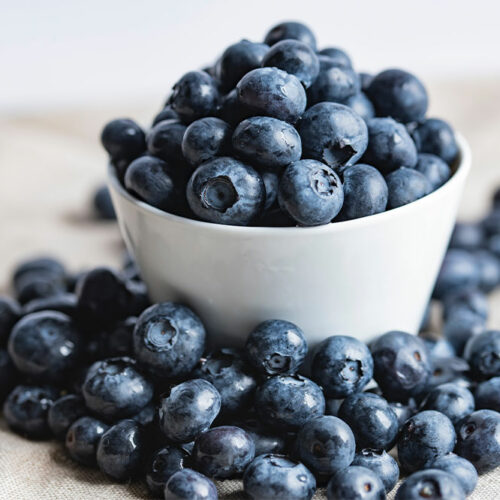
Nutrition plays a crucial role in boosting immunity and maintaining overall health and well-being. Food is fuel for the body and an organic source of essential vitamins, minerals, and nutrients that keep essential bodily functions up and running. Unfortunately, many people overlook the benefits of healthy meals, increasing their risk of developing diseases and infections. Here are ten popular superfoods for the immune system experts recommend including in the nutrition regimen. Blueberries Blueberries are the richest sources of antioxidants and anti-inflammatory compounds that boost immunity. A handful of blueberries pack essential polyphenols and anthocyanins that prevent free radicals from causing oxidative stress to healthy cells. This lowers the risk of chronic diseases that impact cell regeneration. In addition, blueberries are low in calories and high in nutrients like fiber, manganese, and vitamins C and K. These compounds significantly lower the risk of cardiovascular diseases, boost cognitive function, lower blood pressure, fight common urinary tract infections, and even boast anti-diabetic effects. So, one can add blueberries to their food plan and enjoy these health benefits in the long term. Broccoli Nutritionists recommend including as many cruciferous vegetables and dark leafy greens in the food plan as possible to boost immunity. Broccoli is a rich source of soluble fiber, iron, calcium, potassium, and vitamins C and K.

11 Foods That Can Surprisingly Raise Blood Sugar

11 Foods That Can Surprisingly Raise Blood Sugar
Maintaining steady blood sugar levels is critical for people with diabetes, but it can often be challenging. Patients are required to track what they eat, as certain foods can spike blood sugar, leading to health complications. To reduce the potential blood sugar swings, doctors recommended foods with a low glycemic index and foods high in fiber, protein, and healthy fats. This post discusses 12 foods that surprisingly spike blood sugar levels and should be avoided. Bananas Fruits are rich in vitamins and minerals, but specific options like bananas are best avoided. Bananas adversely affect blood sugar levels as they contain simple carbs and have a high glycemic index. To ensure blood glucose readings do not rise drastically, one should consider the ripeness of the fruit before eating. Green or unripe bananas usually have less sugar than yellow or ripe bananas. Oatmeal If one cannot do without oatmeal for breakfast, they should consider varieties that take a while to digest. Instant or processed oats often contain added sugars and are digested quickly, raising blood sugar levels. On the other hand, minimally processed oats metabolize slowly. Rolled or steel-cut oats are suitable for people with diabetes. Grapes Grapes are a great source of antioxidants but can be problematic for those with diabetes.

Our
Blog.

5 styling ideas for women over 60

5 styling ideas for women over 60

Age is a number when setting a true style statement. Regardless of anyone’s perception, just because you are reaching the 60s doesn’t imply to stop working on your appearance and renounce your desires to look fabulous. Fashion is not just merely about trends; it is about how you express yourself through clothes as the myths of age must not limit your expression. So, here are a few best styling ideas for women over 60: Embrace your age One of the most typical fashion mistakes people make is choosing outfits that are supposed to make them appear younger than their actual age. The problem with such a choice is that you are paradoxically accentuating your age when you try to look younger by wearing an outfit that will be more appropriate for youngsters. For example, if you don high heels, short skirts, or flashy fashions that might be more appropriate for a person half your age, you are indirectly making yourself appear “older.” Instead, you can opt for clothes that are specially tailored for women your age. Sporting “age-appropriate” dresses will conceal your age and make others appreciate your other features like glowing skin or your build. And consequently, you will appear much younger than your actual age.
Read More
5 tips to prevent and manage ulcerative colitis

5 tips to prevent and manage ulcerative colitis

Ulcerative colitis is a long-term inflammatory disease that triggers inflammation and ulcers in the digestive system. It impacts the colon and rectum’s innermost lining. The symptoms are typically produced over a period rather than unexpectedly. According to the latest studies, about 1 million people have ulcerative colitis, and if left untreated, it can be crippling and cause life-threatening conditions. So, here are 5 tips to prevent and manage ulcerative colitis: Get on with the treatment plan immediately Even though there is no concrete cure for ulcerative colitis, proper treatment can help ease the symptoms and signs of the condition and eventually provide long-term remission. If a patient feels that their bowel habits are consistently changing or if they experience any of the following symptoms and signs, they should immediately consult a doctor: Blood in stool Ongoing diarrhea that is not getting cured by any other types of treatments An unknown fever going on for more than a day or two Abdominal pain Diarrhea that wakes up the patient from sleep The treatments prescribed by the doctor will typically include a combination of oral therapy or surgery. As far as oral treatments are concerned, the doctor may prescribe any of the following types of therapies, depending on the patient’s existing condition:
Read More