5 things to know before accepting a settlement amount

5 things to know before accepting a settlement amount
Accidents and injuries can be life-altering. When caused by someone else’s negligence or fault, individuals can sue the other party to recover compensation and damages. This is known as a personal injury or accident lawsuit. Since most of these cases are settled out of court, individuals often have questions regarding when to settle. Unfortunately, there is no right answer to this question – it entirely depends on the circumstances and how one would like to proceed. Things to know before accepting a settlement amount 1. It is possible to reject an offer but still receive compensation Often, insurance companies rush victims to accept a settlement offer, giving them the impression that they will receive nothing in return if they reject it. Do not fall for this, as it is not true. Any experienced attorney will attest to the fact that a settlement offer is only the beginning of the process. Insurance companies push it as a now-or-never offer because they want to spend the least time and money on personal injury claims. However, going with this quick settlement often lies in the insurance company’s best interest and could lead to major losses for the victim. Upon receiving a settlement offer, victims can make a counteroffer or reject the claim.

8 common mistakes to avoid while using ovens

8 common mistakes to avoid while using ovens
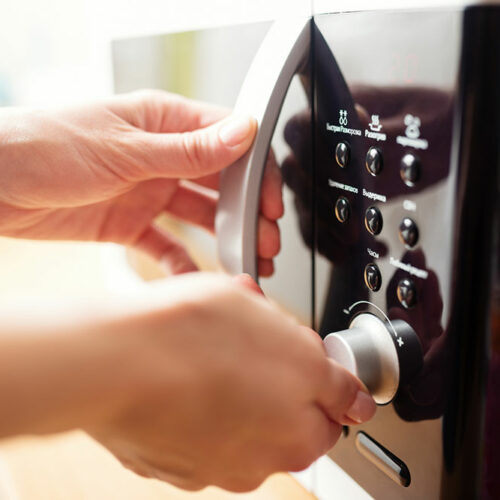
Having an oven makes it quite easy to prepare meals. Whether it’s baking, grilling, or reheating food, an oven saves a lot of time. This means the oven is perhaps among the most used appliances in the kitchen. But frequent use means one gets careless about how they are operating the appliance. There are lots of mistakes made while using the oven. For example, shutting the door too fast or preheating the oven for too long. Common mistakes to avoid Here are a few common mistakes to avoid when using ovens: 1. Preheating for too long Many people often let the oven preheat for too long. It is easy to assume that preheating for a couple of minutes will not do much harm to the food. One can always adjust the temperature and time to ensure the food is cooked well. While this might be true, preheating does have an adverse effect on the oven itself. In fact, it increases the oven’s energy consumption, which invariably leads to inflated power bills. 2. Stuffing the oven with too many things It is a common practice to save time while cooking by loading up the oven with multiple things. But sometimes, this practice may go overboard when one crams all the racks over their capacity.

5 mistakes to avoid when exploring family history

5 mistakes to avoid when exploring family history
Researching family history can be a fascinating journey, uncovering surprising information about one’s ancestors. However, it’s important to exercise caution during the process, as mistakes in genealogy research can be time-consuming and might lead to the wrong family tree. Whether one’s a beginner or a seasoned genealogist, the key to finding reliable sources and obtaining positive and desired results is to make the right choices and steer clear of any potential mistakes. Solely relying on online sources Online sources are a great tool when looking for leads to find family history. But online databases are just one source; one cannot miss out on key offline sources such as libraries, archives, marriage licenses, birth and death certificates, land records, historical societies, etc., that can help in the search for one’s ancestors. Also, remember that not all the data found on the internet is accurate and reliable. Adding the wrong names or people to the family tree can bring one down to the starting point of the search. One needs to distinguish between real and fake data by verifying the source and adding it to the family tree. Dig deeper into the details of each family member by finding out the names of parents, spouses, children, and their professional occupations, among other factors.

9 common mistakes to avoid with trademark registration

9 common mistakes to avoid with trademark registration
Building a business takes a lot of time, money, and effort. Thus, it is no surprise that companies want to protect their intellectual and financial investments by applying for trademark registration. A trademark is defined as an intellectual property (symbol, logo, words, or phrases) legally registered to identify products or services from a particular entity. This article enlists nine common mistakes one must avoid making when registering a trademark: Not filing for trademark protection The reach of the ™ symbol (also known as the common law trademark) is limited to the geographic boundaries of one’s company. To protect this trademark, one must register their company with the U.S. Patent and Trademark Office (USPTO). To do so, file a trademark application with the organization. Upon receiving a trademark grant from them, businesses can use the ® symbol. Forgetting to research similar trademarks According to USPTO guidelines, it is advisable to scroll through their trademark filing database. This gives companies a better idea of trademarks that have been registered, applied, are in use, or those that have been canceled or abandoned. It is important to note that company taglines also qualify for trademark registration and must be checked thoroughly before applying. Not having a distinctive trademark Filing for a trademark is a tedious as well as expensive process.

6 most common passport application mistakes

6 most common passport application mistakes
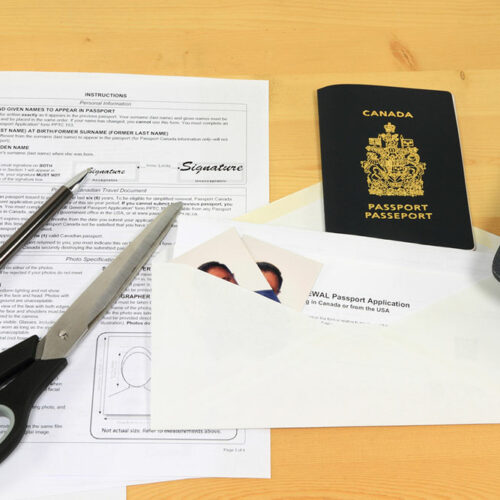
Applying for a passport has become very easy today. The process would take days or even weeks some decades ago, but now, thanks to digitization, one can get through with just a few clicks. That said, many people make errors during the application process, which leads to unnecessary delays and extra hassle. Below are a few critical mistakes one should avoid when applying for a passport or renewing the document. Not paying attention to the current passport’s expiry date Arguably, the most common mistake people make is being unaware of the number of years or months left on their current passports. Many check the document’s expiry date only after booking an international holiday and heading to their destination. Doing so can cause significant issues as many countries require inbound travelers to have at least three months or so left on their passports from their date of arrival. Therefore, passport holders must check their passport before planning their holidays. Experts recommend renewing one’s passport at least a year before it expires. This practice ensures individuals do not face hassle when boarding their flight or arriving at their destination. Making typos and misspellings in the application form People often fill out the application form hastily when applying for a passport, which leads to multiple typos and misspellings.

5 styling ideas for women over 60

5 styling ideas for women over 60
Age is a number when setting a true style statement. Regardless of anyone’s perception, just because you are reaching the 60s doesn’t imply to stop working on your appearance and renounce your desires to look fabulous. Fashion is not just merely about trends; it is about how you express yourself through clothes as the myths of age must not limit your expression. So, here are a few best styling ideas for women over 60: Embrace your age One of the most typical fashion mistakes people make is choosing outfits that are supposed to make them appear younger than their actual age. The problem with such a choice is that you are paradoxically accentuating your age when you try to look younger by wearing an outfit that will be more appropriate for youngsters. For example, if you don high heels, short skirts, or flashy fashions that might be more appropriate for a person half your age, you are indirectly making yourself appear “older.” Instead, you can opt for clothes that are specially tailored for women your age. Sporting “age-appropriate” dresses will conceal your age and make others appreciate your other features like glowing skin or your build. And consequently, you will appear much younger than your actual age.

Our
Blog.

5 tips to prevent and manage ulcerative colitis

5 tips to prevent and manage ulcerative colitis

Ulcerative colitis is a long-term inflammatory disease that triggers inflammation and ulcers in the digestive system. It impacts the colon and rectum’s innermost lining. The symptoms are typically produced over a period rather than unexpectedly. According to the latest studies, about 1 million people have ulcerative colitis, and if left untreated, it can be crippling and cause life-threatening conditions. So, here are 5 tips to prevent and manage ulcerative colitis: Get on with the treatment plan immediately Even though there is no concrete cure for ulcerative colitis, proper treatment can help ease the symptoms and signs of the condition and eventually provide long-term remission. If a patient feels that their bowel habits are consistently changing or if they experience any of the following symptoms and signs, they should immediately consult a doctor: Blood in stool Ongoing diarrhea that is not getting cured by any other types of treatments An unknown fever going on for more than a day or two Abdominal pain Diarrhea that wakes up the patient from sleep The treatments prescribed by the doctor will typically include a combination of oral therapy or surgery. As far as oral treatments are concerned, the doctor may prescribe any of the following types of therapies, depending on the patient’s existing condition:
Read More
3 common types of soaps that trigger eczema flareups

3 common types of soaps that trigger eczema flareups

Atopic dermatitis or eczema is a skin disease that makes the skin reddish, inflamed, and itchy because of specific triggers. It can affect any body part and appear anywhere on the skin. The most common symptoms are dryness, bumps, rashes, redness, and peeling of the skin. Despite being one of the most typical forms of atopic dermatitis, there is no such common definite cause; however, particular triggers cause eczema flareups, including specific kinds of soaps. Soaps and eczema flareups When eczema triggers, most of the time, it makes its appearance in certain typical parts of the body. These include behind the knee areas, hands, and feet. Some of the most common triggers of eczema flareups include household cleaners containing specific chemicals, and, most notably, soaps. However, the experience of eczema won’t be the same for everyone. One of the most typical symptoms is dry skin, where the soap’s role becomes significant. It is a pretty well-known fact that using soaps makes one’s skin dry. This happens because of specific harsh chemicals that swipe off moisture from one’s skin. These chemicals can also trigger severe irritation and reactions, specifically if the skin is too sensitive or if one is suffering from eczema.
Read More