Avoid these 5 smartphone habits

Avoid these 5 smartphone habits
For most people, it is next to impossible to get through the day without using smartphones at least a few times. You need to make calls, check updates on the go, and even use smart navigation systems on your phone. But some smartphone habits can severely hamper productivity, affect your health, and may make you overly dependent on the gadget. So, here are five smartphone habits to keep in check: Using an alarm app Using your phone as an alarm clock might seem completely harmless. After all, apps on the phone let you set multiple alarms. But it never stops at hitting the snooze or dismiss button once you wake up. You will be tempted to check your phone for messages and social media, which will delay getting out of bed. Opt for a conventional alarm clock and keep your phone away from you at night to avoid checking anything after getting up. Ignoring software updates Smartphone care is as important as learning how to use the device in moderation. Many people make the mistake of postponing crucial software updates and granting necessary application permissions. These habits make the device extremely vulnerable to cyber-attacks that can access confidential data. Always keep your phone updated to ensure the latest security updates are installed.

5 Common Digestive Issues and Their Symptoms

5 Common Digestive Issues and Their Symptoms
One of the most vital systems in our body is the digestive system. It is responsible for the digestion of food and the distribution of nutrients throughout the body to meet the bodily requirements for energy, development, and cell repair. Issues in the digestive can interfere with the body’s ability to get energy from food. While some gastrointestinal issues can go away with healthy eating habits, other concerns may require treatment. Irritable bowel syndrome (IBS) IBS is a functional bowel disorder. This means the cluster of varied symptoms categorized as IBS is brought on by changes in the normal functioning of the digestive system. The primary sign is abdominal pain, which can develop before or after a bowel movement, and is a reliable indicator of IBS. Additionally, one may experience both constipation and diarrhea. The form of IBS can be determined depending on whether a person has diarrhea or constipation more frequently or both equally. Other IBS signs and symptoms are incomplete bowel motions, white mucus in the stool, and bloating. Nutrition is important for managing the symptoms of IBS, which includes eating low-fat, high-fiber meals and avoiding common trigger foods when the cause of the condition is unknown. Food poisoning or gastrointestinal infection are common causes.

Natural Factors and Health Conditions that Increase the Risk of Osteoporosis

Natural Factors and Health Conditions that Increase the Risk of Osteoporosis
Osteoporosis leads to the loss of bone mass and bone mineral density. It causes the bones to become weak and brittle from the inside, making them more porous. Once individuals reach a certain age, the natural process of bone regeneration slows down, resulting in loss of bone loss, especially in the event of physical injury. With osteoporosis, the bones become more prone to fracture even during routine activities like walking, bathing, and standing. Risk factors associated with osteoporosis Various factors increase a person’s chances of developing osteoporosis. Some of these aspects can be modified, while others are hard to avoid. For example, the body absorbs old bone tissues and produces new ones so that it can maintain the strength and density of the bones and, thereby, the structural integrity. As a person grows older, the bone breaks faster than it rebuilds itself. If this breakdown occurs excessively, bone loss progresses to osteoporosis. This disease can affect both men and women but is more likely to affect women after menopause. This happens due to a sudden decrease in estrogen. Here are some unavoidable factors that increase the risk of osteoporosis- Age The risk of developing osteoporosis increases after the mid-30s. This happens mostly with women after menopause.

12 mistakes beginner golfers must avoid

12 mistakes beginner golfers must avoid
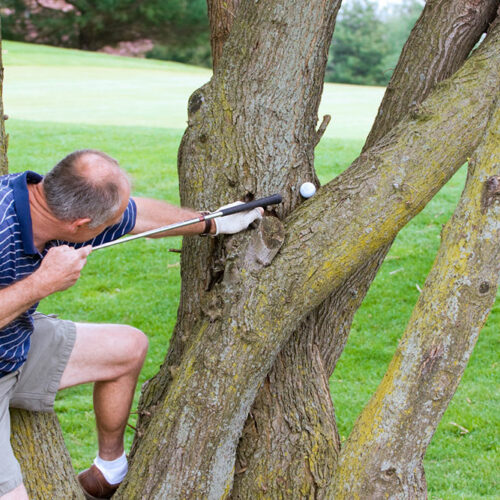
As golf gains popularity, many people, young and old, are picking up clubs and heading to the drive. Since golf is immensely technical, it can be difficult to master. It takes a lot of time, patience, and practice to become a pro. Like in any other sport, beginners are bound to make mistakes. Since some of these can prove costlier than others, it is also important to learn how to sidestep them. Here are 12 common golfing mistakes beginners make and how to avoid them: 1. Using the wrong clubs Golf happens to be one of those sports where one can share the blame with the equipment. One of the biggest mistakes beginners make when playing golf is choosing the wrong club. Ideally, it is best to opt for a custom-fitted club for one’s swing. Since novices aren’t likely to invest in custom clubs when they are just starting out, this can be a bit of a hassle. 2. Swinging too hard Swinging too hard does not always equate to a longer shot. Instead of focusing on strength, one should work on finding the right tempo and rhythm. 3. Using the wrong grip While golf may look simple, there is a lot of finesse to the sport.

7 mistakes to avoid while using buy now, pay later

7 mistakes to avoid while using buy now, pay later
Buy now, pay later is one of the latest financing trends, often considered a way of making purchases easier for customers. Here, using a third-party provider, one can make payments on those purchases later. While this may seem quite convenient, the offer comes with its own risks that can result in an unnecessary debt burden. To avoid this, it helps to be wary of the following common buy now, pay later mistakes: 1. Ignoring the fine print This is one of the most common buy now, pay later people tend to make. Here, they may be tempted to skip reviewing the jargon-heavy and complex terms and conditions. However, this can cause more harm than one expects, as the fine print contains all the important guidelines, such as late payment fees, number of installments, payment methods, and other crucial buying information. Checking the terms thoroughly can help one avoid a lot of trouble while using the buy now, pay later (BNPL) payment method. 2. Making too many purchases It is common to develop a false sense of security when accessing the buy now, pay later offer for a purchase. One can end up assuming that they will always have enough funds to pay off dues later.

8 common signs and symptoms eosinophilic esophagitis

8 common signs and symptoms eosinophilic esophagitis
The esophagus or food pipe transfers food to the stomach. However, it can get inflamed due to conditions like eosinophilic esophagitis (EOE). In EOE, eosinophils release substances in surrounding tissues that lead to inflammation. This causes the organ to contract and abscesses or ring-like projections to form. EOE can be triggered by acid reflux or food allergies. To manage the condition, here are some signs and symptoms of EOE that one should not ignore: Symptoms of eosinophilic esophagitis (EOE) The symptoms of EOE may vary among adults and children, although certain symptoms are common in both. So, here are the signs and symptoms of EOE among children and adults: Symptoms of EOE in adults Studies have shown that EOE in adults usually shows up in the form of strictures, rings, and narrowing of the esophagus. As a result, adults with EOE may have these symptoms: Difficulty swallowing One of the classic symptoms of EOE is difficulty swallowing. The technical term for this symptom is dysphagia. In usual circumstances, one may face dysphagia if they gulp down their food, but the symptom shows up for those with EOE even when they chew their food well. Acid reflux Acid reflux is usually a symptom of gastroesophageal reflux disease (GERD), a health condition closely related to EOE.

Our
Blog.

5 styling ideas for women over 60

5 styling ideas for women over 60

Age is a number when setting a true style statement. Regardless of anyone’s perception, just because you are reaching the 60s doesn’t imply to stop working on your appearance and renounce your desires to look fabulous. Fashion is not just merely about trends; it is about how you express yourself through clothes as the myths of age must not limit your expression. So, here are a few best styling ideas for women over 60: Embrace your age One of the most typical fashion mistakes people make is choosing outfits that are supposed to make them appear younger than their actual age. The problem with such a choice is that you are paradoxically accentuating your age when you try to look younger by wearing an outfit that will be more appropriate for youngsters. For example, if you don high heels, short skirts, or flashy fashions that might be more appropriate for a person half your age, you are indirectly making yourself appear “older.” Instead, you can opt for clothes that are specially tailored for women your age. Sporting “age-appropriate” dresses will conceal your age and make others appreciate your other features like glowing skin or your build. And consequently, you will appear much younger than your actual age.
Read More
5 tips to prevent and manage ulcerative colitis

5 tips to prevent and manage ulcerative colitis

Ulcerative colitis is a long-term inflammatory disease that triggers inflammation and ulcers in the digestive system. It impacts the colon and rectum’s innermost lining. The symptoms are typically produced over a period rather than unexpectedly. According to the latest studies, about 1 million people have ulcerative colitis, and if left untreated, it can be crippling and cause life-threatening conditions. So, here are 5 tips to prevent and manage ulcerative colitis: Get on with the treatment plan immediately Even though there is no concrete cure for ulcerative colitis, proper treatment can help ease the symptoms and signs of the condition and eventually provide long-term remission. If a patient feels that their bowel habits are consistently changing or if they experience any of the following symptoms and signs, they should immediately consult a doctor: Blood in stool Ongoing diarrhea that is not getting cured by any other types of treatments An unknown fever going on for more than a day or two Abdominal pain Diarrhea that wakes up the patient from sleep The treatments prescribed by the doctor will typically include a combination of oral therapy or surgery. As far as oral treatments are concerned, the doctor may prescribe any of the following types of therapies, depending on the patient’s existing condition:
Read More