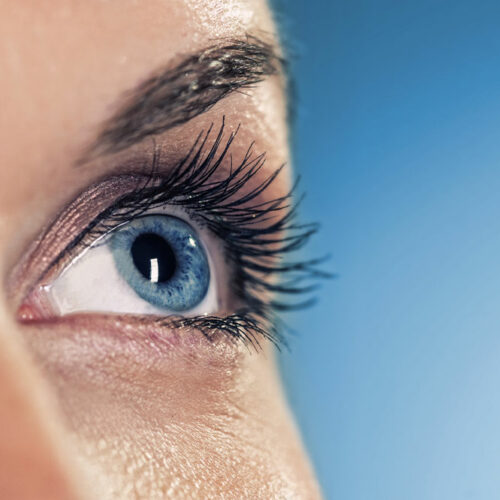
11 early warning signs of age-related macular degeneration
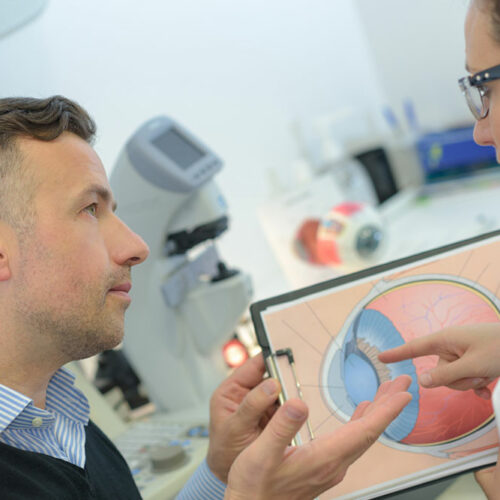
11 early warning signs of age-related macular degeneration
The eyes help one perceive different stimuli. Therefore, promptly diagnosing eye-related conditions is essential to ensure eye health. Age-related Macular Degeneration (AMD) is a progressive eye condition involving damage to the macula or a part of the retina situated at the back of the eye. Individuals aged 50 and above are particularly susceptible to this condition. This article discusses a few early warning signs of AMD that one shouldn’t ignore. Early warning signs of age-related macular degeneration In general, age-related macular degeneration is classified as dry and wet. Dry AMD involves gradual thinning of the retina caused by age and is characterized by symptoms like blurred vision and progressive vision loss. Wet AMD, considered a more serious condition than dry AMD, results from irregular growth of blood vessels in the retina, causing accumulation of fluid in the back of the eye. Dry AMD may gradually progress to wet AMD with time, particularly if left untreated. Some early warning signs of AMD are as follows: 1. Blurred vision Since AMD involves blood or fluid leakage from blood vessels into the macula, individuals with this disease may experience blurry vision. 2. Wavy appearance of straight lines Age-related macular degeneration significantly affects one’s central vision, which is indispensable in facilitating the recognition of shapes, lines, colors, etc.


12 warning signs of psoriasis to be aware of

12 warning signs of psoriasis to be aware of
Psoriasis is a type of autoimmune skin disorder marked by chronic inflammation and a rapid overproduction of skin cells. This chronic condition leads to an overactive immune system, affecting the whole body. It is more common among adults, especially those aged between 40 and 59 years . There are several types of psoriasis ; the most common one is plaque psoriasis. External factors like skin injury, throat infection, or certain treatment options usually cause psoriasis. Warning signs of psoriasis In psoriasis, people can develop different signs and symptoms, varying from one person to another. The symptoms also depend on which type of psoriasis one has . If one experiences any of the common warning signs of psoriasis, they should seek medical help. Plaque Psoriasis forms thick, red patches on the skin that are often covered with silvery flakes on the skin called scales. People can notice significant and sudden changes in the way their skin looks. The raised, inflamed patches, seen mainly on the elbows, scalp, knees, and lower back, can surface anywhere on the body. Sometimes, these patches merge, creating larger patches that may be sore to tough or cause irritation. One may get a sensation of itching the affected area constantly.

10 Important Questions to Ask a Dermatologist

10 Important Questions to Ask a Dermatologist
There is so much information on skincare floating around – from beauty bloggers and magazines to old wives’ lore tales. Sifting through this to find what truly works for your skin can sometimes feel like a herculean task. What happens to your skin can sometimes indicate what is happening within your body. Here are a few questions to ask your dermatologist at your next appointment to improve your skin’s health and glow: How should I regularly prevent and screen for cancer? Skin cancer is a frequently diagnosed type of cancer in the country. Despite this, very few people get checked for the condition regularly. According to certain experts, when caught early, there is a 99% survival rate for those with skin cancer. That is why it is important to have a candid conversation with your dermatologist to discuss your risk factors and family history and possible ways of screening and prevention. How should I monitor my moles? Sometimes, your moles may be a cause of concern. It’s crucial to stay aware of any warning signs of skin cancer because no one knows your body better than you do. Follow the ‘ABCDE’ test to recognize signs of melanoma at home: Asymmetry :

10 Things That Can Harm the Eyes

10 Things That Can Harm the Eyes
Annual eye exams can help detect changes in vision and also aid in keeping eye infections and diseases at bay. While many eyesight issues can develop due to age and existing health conditions, certain daily habits can increase the risk of such problems. While an ophthalmologist can help one find solutions to correct, improve, and resolve vision-related issues, one should also avoid doing the following things to improve eye health: Things to avoid Not choosing nutrient-rich food The human body needs nutrients and minerals to carry out vital functions. So, when one skips nutrient-rich meals, it can lead to a deficiency that can affect overall health, including vision. Further, a vitamin deficiency can damage the optic nerve. So, one should choose foods that provide essential nutrients; for instance, foods like beans and fresh fruits and vegetables like kale, spinach, and lemon are great additions to meal plans. Excessive sun exposure One of the worst things that can hurt the eyes is staring at the sun. Typically, looking at the sun without any protective gear can cause a burning sensation. Here, the damage to the retina develops within a few seconds and causes discomfort. So, healthcare professionals recommend using special-purpose solar-filtered lenses to protect the eyes from such harm.

11 period mistakes to avoid for better health and hygiene

11 period mistakes to avoid for better health and hygiene
Periods tend to be synonymous with menstrual pain, cramps, and other symptoms and are a hassle for almost every individual who menstruates. Approximately 80% of menstruating individuals experience period pain at some point. Period management involves several effective strategies and home remedies to alleviate discomfort and ensure hygiene and safety during this time. In addition, being aware of certain common period mistakes can help ensure a more hassle-free menstrual cycle: Changing pads and tampons infrequently Tampons and pads are a hotbed for the accumulation of bacteria, regardless of the amount of flow. Such bacteria can cause vaginal and urinary infections and emit an unpleasant odor. Individuals with normal blood flow should change their pads or tampons once every 3-4 hours, while those experiencing heavy menstruation should do so more frequently. Being dehydrated The body loses more fluids during menstruation than on other days. Thus, it requires more water to perform various functions, including regulation of body temperature and bowel movements, lubrication of joints, and supply of oxygen and nutrients to cells. Lack of water intake can slow down these functions, increasing weakness and fatigue. It is advisable to have a bottle of water handy throughout the day and set reminders if required to take water breaks frequently during one’s period.

13 foods that relieve ulcerative colitis flare-ups

13 foods that relieve ulcerative colitis flare-ups
Ulcerative Colitis (UC) is a chronic Inflammatory Bowel Disease (IBD) that can develop at any age. Although the cause of UC isn’t clear, experts think factors like genes, abnormal immune reactions, the gut biome, and environmental factors play an important role. To manage UC, one must identify and eliminate foods that trigger symptoms. Although there is no single recommended nutritional plan for people with the condition, the following foods may help manage the condition: Salmon Fatty fish like salmon are an excellent source of omega-3 fatty acids and protein. The fatty acids can help reduce inflammation one experiences with UC, while the protein can help during healing. When cooking salmon, it is advisable to bake, broil, or saute it, instead of frying, to ensure it keeps its nutritional value. Other rich sources of omega-3 fatty acids include tuna, shrimp, and mackerel. Yogurt Yogurt is a rich source of probiotics that contain gut-healthy bacteria. They can help in the digestive process, strengthen the immune system, and ease the symptoms of UC. Since yogurt is made from milk, it is also a rich source of calcium and can protect the bones against conditions such as osteoporosis. When buying yogurt, opt for plain, unsweetened yogurt.

Our
Blog.

5 styling ideas for women over 60

5 styling ideas for women over 60

Age is a number when setting a true style statement. Regardless of anyone’s perception, just because you are reaching the 60s doesn’t imply to stop working on your appearance and renounce your desires to look fabulous. Fashion is not just merely about trends; it is about how you express yourself through clothes as the myths of age must not limit your expression. So, here are a few best styling ideas for women over 60: Embrace your age One of the most typical fashion mistakes people make is choosing outfits that are supposed to make them appear younger than their actual age. The problem with such a choice is that you are paradoxically accentuating your age when you try to look younger by wearing an outfit that will be more appropriate for youngsters. For example, if you don high heels, short skirts, or flashy fashions that might be more appropriate for a person half your age, you are indirectly making yourself appear “older.” Instead, you can opt for clothes that are specially tailored for women your age. Sporting “age-appropriate” dresses will conceal your age and make others appreciate your other features like glowing skin or your build. And consequently, you will appear much younger than your actual age.
Read More
5 tips to prevent and manage ulcerative colitis

5 tips to prevent and manage ulcerative colitis

Ulcerative colitis is a long-term inflammatory disease that triggers inflammation and ulcers in the digestive system. It impacts the colon and rectum’s innermost lining. The symptoms are typically produced over a period rather than unexpectedly. According to the latest studies, about 1 million people have ulcerative colitis, and if left untreated, it can be crippling and cause life-threatening conditions. So, here are 5 tips to prevent and manage ulcerative colitis: Get on with the treatment plan immediately Even though there is no concrete cure for ulcerative colitis, proper treatment can help ease the symptoms and signs of the condition and eventually provide long-term remission. If a patient feels that their bowel habits are consistently changing or if they experience any of the following symptoms and signs, they should immediately consult a doctor: Blood in stool Ongoing diarrhea that is not getting cured by any other types of treatments An unknown fever going on for more than a day or two Abdominal pain Diarrhea that wakes up the patient from sleep The treatments prescribed by the doctor will typically include a combination of oral therapy or surgery. As far as oral treatments are concerned, the doctor may prescribe any of the following types of therapies, depending on the patient’s existing condition:
Read More