How the Brain Sounds the Alarm
When your brain perceives a threat — whether it's a car swerving toward you or a looming work deadline — a small almond-shaped structure called the amygdala fires a rapid distress signal. Within milliseconds, it alerts the hypothalamus, which acts as the body's command center for emergency response.
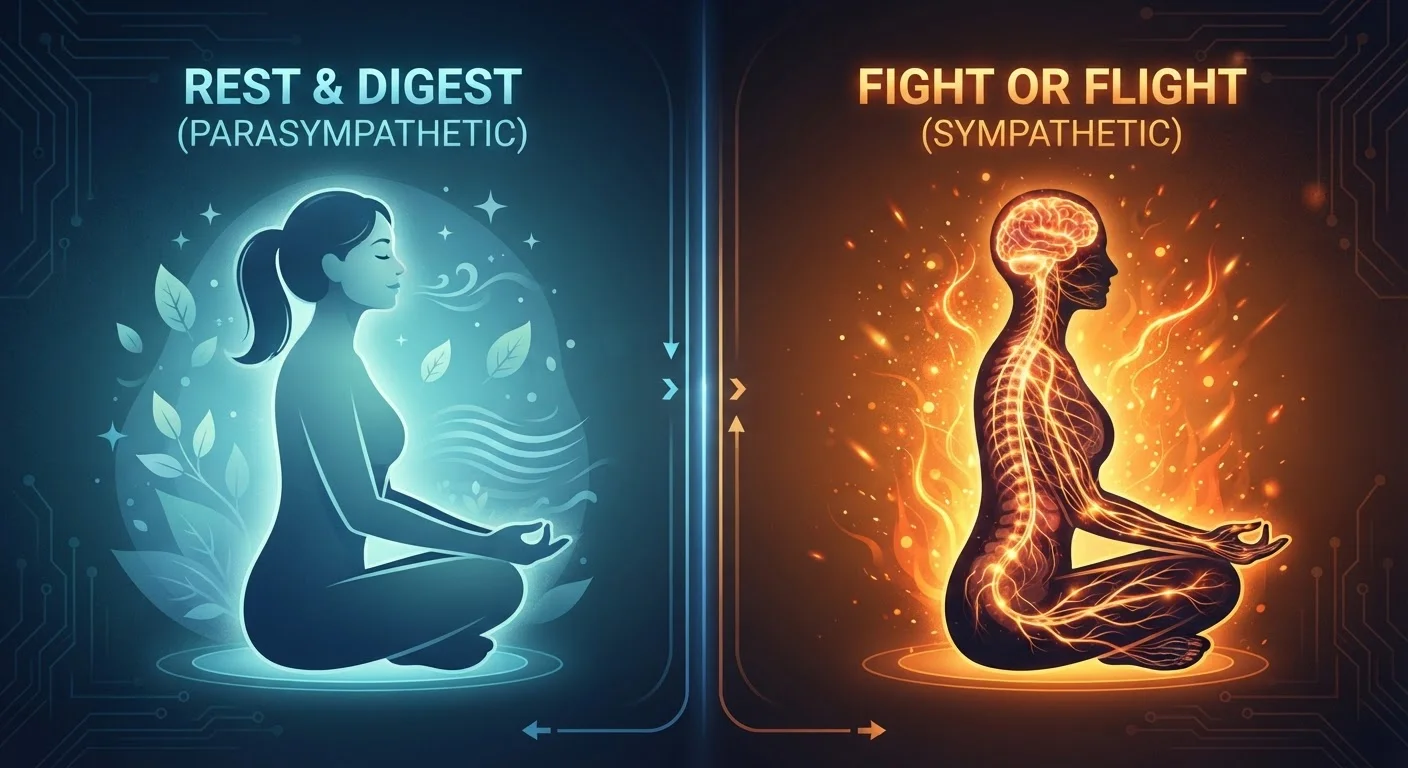
The hypothalamus activates two key systems simultaneously: the sympathetic nervous system, which triggers the immediate fight-or-flight reaction, and the HPA axis (hypothalamic-pituitary-adrenal axis), which orchestrates a slower but longer-lasting hormonal response. Together, they flood the body with stress chemicals that shift every available resource toward survival.
This system evolved to handle short, intense threats — a predator, a fall, a physical confrontation. It was not designed for the prolonged, low-grade stress that characterizes modern life. For a broader look at the physical and mental effects of stress together, see what stress actually does to your body and mind.
77%
Americans reporting physical stress symptoms
According to the American Psychological Association's Stress in America survey, a large majority of adults report physical symptoms they attribute to stress.
2–3×
Increased cardiovascular risk with chronic stress
Research published in the European Heart Journal suggests chronically stressed individuals face meaningfully higher odds of major cardiovascular events compared to low-stress counterparts.
~20 min
Time for cortisol to peak after a stressor
Studies of HPA axis activation show cortisol typically peaks roughly 20–30 minutes after the onset of a stressor before beginning its decline in healthy acute stress cycles.
What Happens Inside Your Body in the First Few Minutes
Within seconds of the alarm signal, the adrenal glands release adrenaline (also called epinephrine) and noradrenaline. These hormones produce a cascade of immediate changes:
- Heart rate and blood pressure spike to push more oxygenated blood to muscles and the brain.
- Breathing quickens and airways dilate to take in more oxygen faster.
- Muscles tense, priming the body for rapid movement.
- Digestion slows — energy is rerouted away from non-urgent systems.
- Pupils dilate to sharpen visual awareness.
- Blood sugar rises as the liver releases stored glucose for immediate fuel.
These changes happen automatically and are largely outside conscious control. They are your body doing exactly what it evolved to do: maximizing short-term survival capacity at the expense of long-term maintenance.
Recognize Your Personal Stress Signals
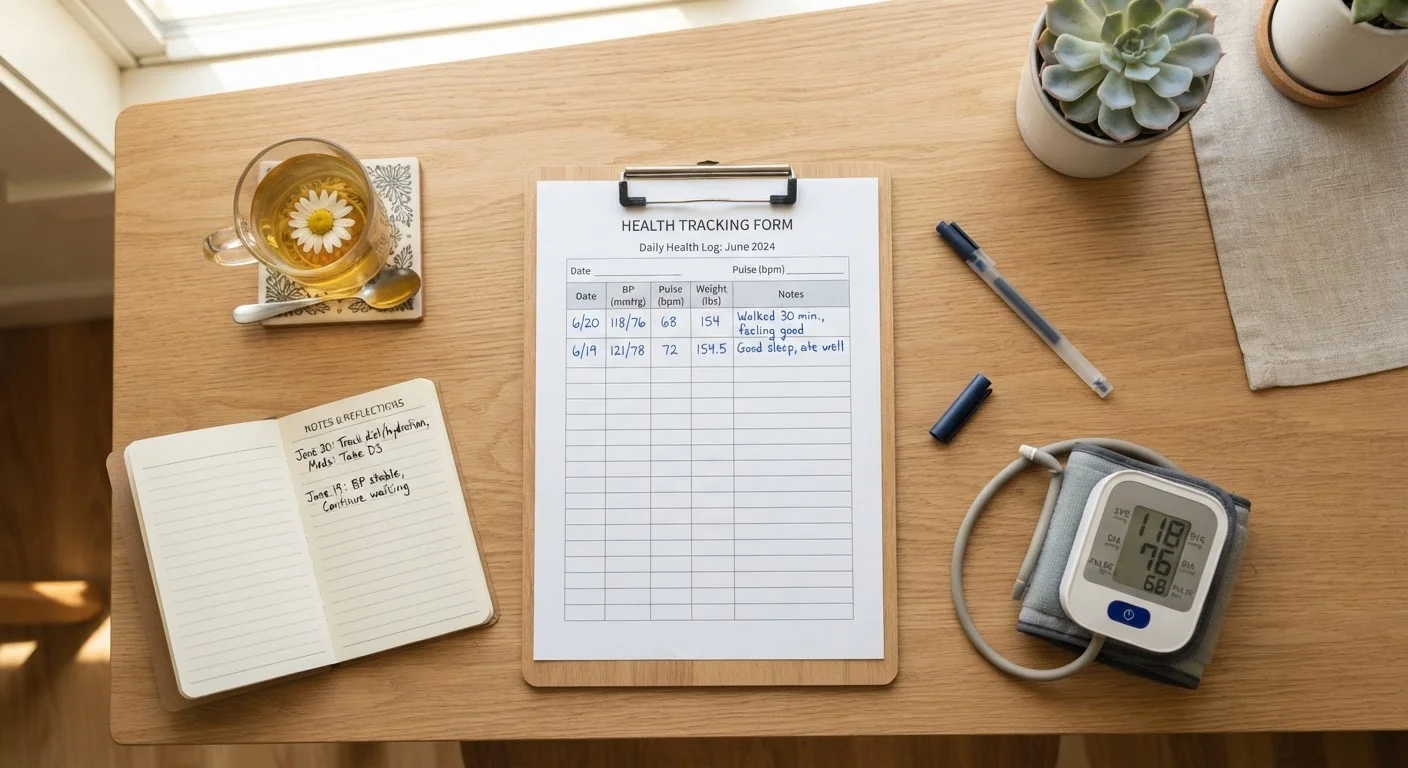
Everyone experiences the stress response differently. Some people notice a racing heart first; others feel it as jaw tension, stomach upset, or difficulty concentrating. Identifying your own early warning signs makes it easier to intervene before the response escalates. Keeping a brief daily log for a week can help you spot patterns.
The Role of Cortisol — and Why It Matters Long-Term
While adrenaline handles the first wave, cortisol — released through the HPA axis — sustains the stress response over minutes to hours. Cortisol serves several critical functions: it keeps blood sugar elevated, dampens inflammation in the short term, and suppresses immune activity that isn't immediately needed.
In acute situations, this is protective. But cortisol levels are meant to drop once the threat passes. When stress is chronic, cortisol stays persistently elevated. Over time, this can:
- Impair memory and concentration (the hippocampus, a memory-critical brain region, is particularly vulnerable to cortisol)
- Disrupt sleep architecture, making restorative rest harder to achieve — a connection explored in depth in the science behind sleep and emotional regulation
- Suppress immune function, increasing susceptibility to illness
- Raise the risk of cardiovascular disease through chronic blood pressure elevation and arterial inflammation
- Contribute to weight changes, particularly increased abdominal fat storage
The NIH and the American Heart Association both identify chronic psychological stress as a meaningful risk factor for cardiovascular and metabolic health problems.
“Stress is not a disease — it is the body's response to demand. The harm comes not from the response itself, but from its chronicity and the absence of recovery.”
— Robert Sapolsky, Professor of Biology and Neurology, Stanford University, and author of 'Why Zebras Don't Get Ulcers'
When Short-Term Stress Becomes Chronic — and What to Do
The stress response becomes a health problem when it's never fully switched off. Signs that stress has shifted from acute to chronic include persistent fatigue, recurring tension headaches, digestive irregularities, mood instability, and difficulty recovering from minor setbacks. For a detailed breakdown, see signs that everyday stress may have become chronic.
Evidence-based strategies to support the body's return to baseline include:
- Controlled breathing: Slow, diaphragmatic breathing activates the parasympathetic nervous system — the body's natural counterweight to the fight-or-flight state. Learn why it works in our guide to the science behind deep breathing.
- Regular physical activity: Exercise metabolizes stress hormones and promotes recovery.
- Consistent sleep: Sleep is when the stress-response system actively resets.
- Social connection: Positive social interaction is associated with reduced cortisol and lower perceived stress.
This article is for general informational and educational purposes only and is not a substitute for professional medical advice, diagnosis, or treatment. If you are experiencing significant or persistent stress-related symptoms, please consult a qualified healthcare provider.
Acute vs. Chronic Stress: A Key Distinction
Not all stress is harmful. Short-term, well-defined stress — a presentation, a race, a challenging conversation — activates the same physiological pathways but allows full recovery afterward. It's the absence of that recovery phase, not stress itself, that drives long-term health consequences. If you're unsure whether your stress patterns are concerning, a healthcare provider is the right starting point.