What Sunk Cost Thinking Actually Means
The sunk cost fallacy is the tendency to factor already-spent, unrecoverable money into decisions about the future. In economics and behavioral psychology, a sunk cost is exactly that — sunk. It's gone regardless of what you do next. Rational decision-making, according to established economic theory, should focus only on future costs and benefits.
In everyday household life, this plays out constantly: keeping a gym membership you barely use because you prepaid for a year, holding onto a broken appliance because the repair receipt is pinned to the fridge, or finishing a home renovation you no longer want because you've already bought materials. Each situation feels different, but the same flawed logic runs underneath: "I already paid for it, so I have to get my money's worth."
The problem is that "getting your money's worth" from something that no longer serves you doesn't recover the original cost — it just layers additional costs on top. This is closely related to how opportunity cost works at home: every choice to hold on also means choosing not to do something else with that space, time, or money.
Myth
If I paid a lot for something, I should keep using it — otherwise the money was wasted.
Fact
The money is already spent whether you keep using the item or not. Continuing to use something that doesn't serve you doesn't recover the original cost.
This is the sunk cost fallacy at its most direct. The original purchase price is the same regardless of your next decision. What changes based on your choice is only the future — your time, space, and whether the item continues to generate value. Keeping a $400 bread maker you use twice a year doesn't recoup $400; it just means a $400 appliance keeps occupying your counter.
Myth
Finishing a project you've already started is always better than stopping midway.
Fact
Whether to continue a project should depend on its future value and cost — not solely on how much has already been spent.
This myth is especially common in home improvement. Homeowners often push through renovations that have grown too costly or no longer match their needs, simply because stopping feels like admitting a loss. But in many cases, pausing, redesigning, or even abandoning a project can prevent a moderate cost from becoming a severe one. The decision to continue should be based on whether completing it makes sense from today forward — not as a way to "justify" past spending.
Myth
Keeping an unused gym membership is fine because I might start going eventually.
Fact
'Might use it someday' is not a financial justification for an ongoing monthly expense.
Behavioral research on gym memberships consistently finds that consumers overestimate how often they'll use fitness facilities. An annual membership purchased with good intentions but rarely used costs real money every month it continues. The honest question is whether the monthly fee reflects actual current value — not theoretical future use. Reactive spending patterns like this often persist because canceling feels like a defeat rather than a rational financial correction.
Myth
Buying in bulk always saves money, so I should stock up whenever I can.
Fact
Bulk buying saves money only when you use what you purchase. Waste, spoilage, and storage costs can eliminate the per-unit savings entirely.
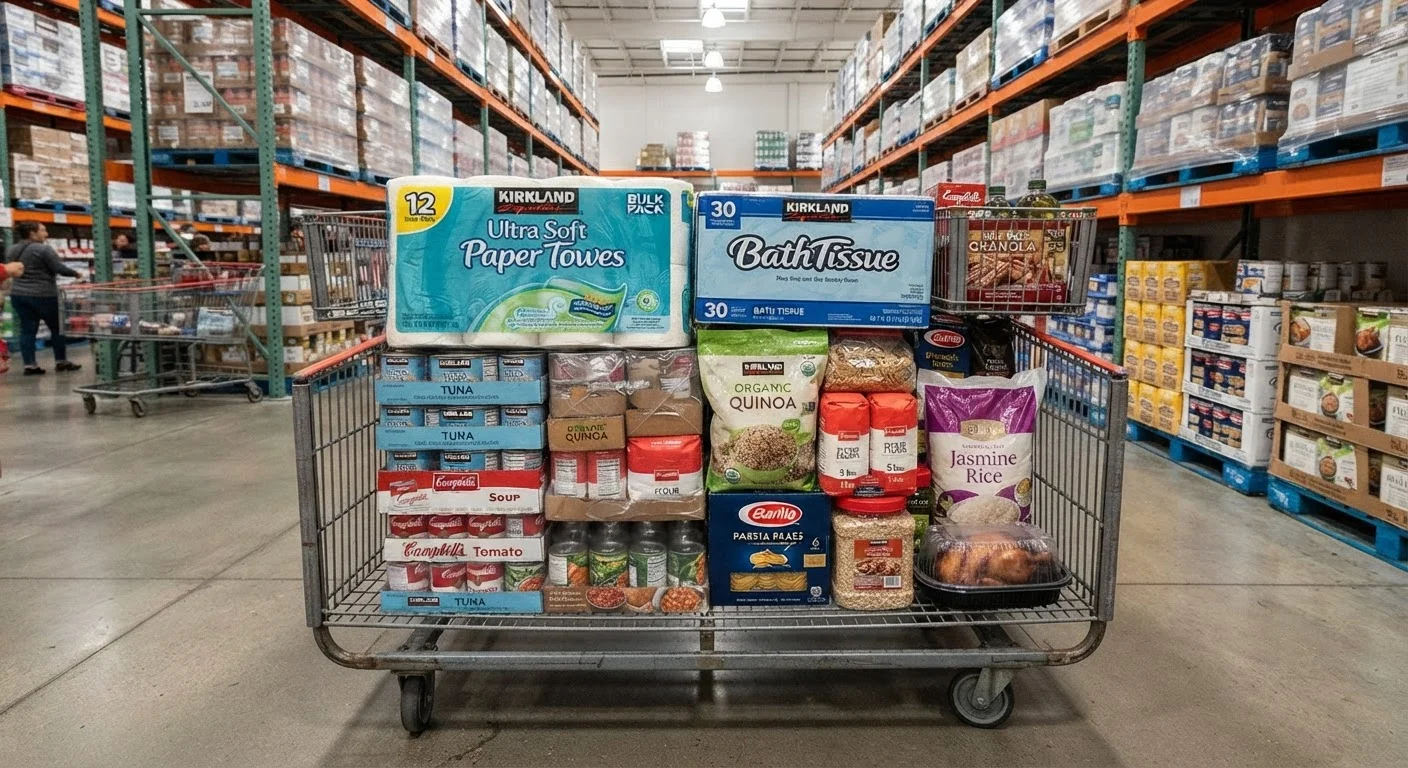
The math on bulk buying assumes full consumption. Perishables that expire, oversized quantities of products you don't go through, and items bought speculatively because they were "a good deal" can all result in net losses. Sunk cost thinking then kicks in: once the bulk purchase is made, households often feel obligated to use or keep products even when it would be more practical to donate or discard them. A better approach is to buy in bulk only for items with a proven, consistent use rate in your household.
Myth
Keeping old appliances or furniture 'just in case' is being financially responsible.
Fact
Storage space has real costs, and 'just in case' items rarely justify the ongoing footprint they occupy.
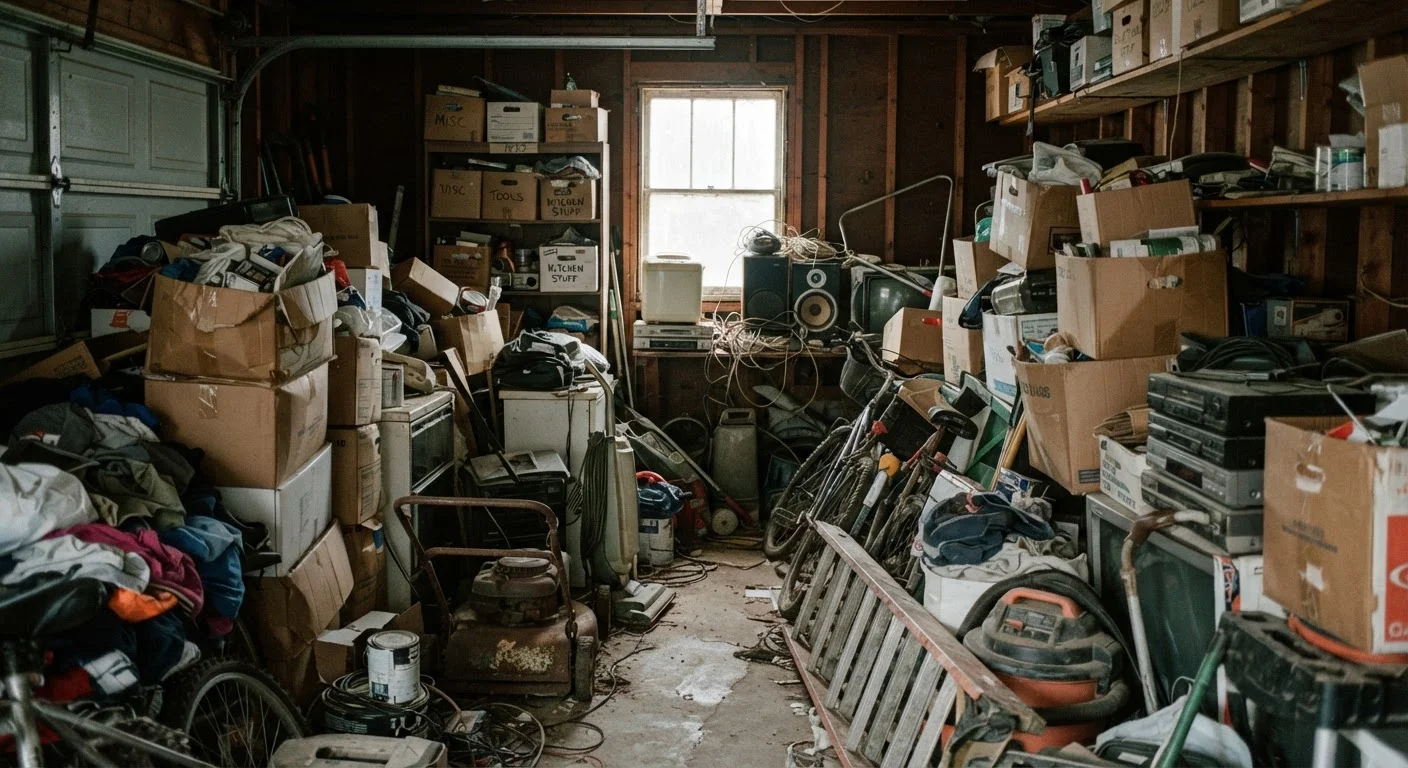
Holding onto items with low reuse probability ties up space that may itself have a cost — whether that's a storage unit fee, reduced usability of a garage or basement, or difficulty organizing a home efficiently. The financial case for keeping rarely-used items is weaker than it appears. If an item hasn't been used in a year and doesn't serve a specific, foreseeable need, its "just in case" value is usually outweighed by its storage cost. Selling, donating, or disposing of it often frees up both physical and financial resources.
Where Sunk Cost Thinking Drains Home Budgets Most
This mental trap shows up in predictable places around the household. Recognizing the categories helps you catch the pattern before it calculates itself into your next decision.
- Subscriptions and memberships: Prepaid annual plans for streaming services, meal kits, or fitness apps often continue out of guilt rather than use. If you've used a service twice in six months, the prepaid period is a sunk cost — canceling saves future dollars.
- Appliances and tools: A countertop appliance you used twice and a full set of woodworking tools you haven't touched in three years both occupy real space and, often, real emotional energy. Renting or borrowing occasional-use items is frequently more cost-effective than keeping things you rarely need.
- Home improvement projects: Starting a renovation and discovering the scope has changed midway is common. Continuing a project that no longer makes sense — only because you've already spent — can turn a manageable cost into a large one.
- Bulk purchases: Buying in bulk saves per-unit cost, but only if you actually use what you buy. Perishables that go to waste, or oversized quantities of products that expire, turn savings into losses.
These patterns often coexist with other overlooked spending habits that erode budgets quietly over time.
~$133/mo
Average U.S. household spending on unused subscriptions
A C+R Research survey found the average American household underestimates its subscription spending, with a meaningful portion going to services rarely or never used.
1 in 3
Adults who keep gym memberships they rarely use
Consumer finance research has consistently found that gym non-attendance is widespread, with a significant share of members paying for facilities they visit infrequently.
A Practical Framework for Forward-Looking Decisions
Breaking the sunk cost habit doesn't require an economics degree. It requires one consistent question: "If I hadn't already paid for this, would I choose to keep it, continue it, or use it today?" If the honest answer is no, the previous payment is irrelevant to what you should do next.
A few practical habits reinforce this thinking:
- Set a review date for big purchases. When you buy something expensive, schedule a 90-day check-in. If it's unused, that's information — not a reason to keep it forever.
- Separate past from future costs. Before continuing any project or subscription, list only what it will cost and benefit you from this point forward. Leave the history out of the equation.
- Acknowledge the real cost of keeping. Storage space, ongoing fees, maintenance time, and mental overhead are all real costs that sunk cost thinking tends to hide.
For broader context on how these decision patterns interact with overall financial health, the common budgeting myths article covers related misconceptions that can keep households financially stuck. And if recurring large expenses are part of the picture, understanding how sinking funds work can help plan ahead rather than react.
This article is for general informational and educational purposes only and does not constitute financial or professional advice. Consult a qualified financial professional for guidance specific to your situation.