What Opportunity Cost Actually Means
The term comes from economics, but the idea is something every household already experiences. When money is finite — which it always is — spending it one way means not spending it another way. The value of that foregone alternative is the opportunity cost.
Say your household has $400 available this month beyond fixed bills. You spend it on a new appliance. The opportunity cost isn't just $400 — it's whatever that $400 would have accomplished next: padding the emergency fund, covering a car repair, or reducing credit card debt. That's the real price of the decision.
Most people mentally record only what they spent, not what they gave up. Recognizing both is what makes opportunity cost a genuinely useful thinking tool, not just an economics term.
Opportunity Cost Isn't About Spending Less
This concept doesn't push toward frugality for its own sake. It's a neutral analytical tool. Spending on something that genuinely matters to your household is a perfectly rational choice — as long as the trade-off is understood and accepted. The goal is awareness, not restriction.
Why It Matters for Household Budgets
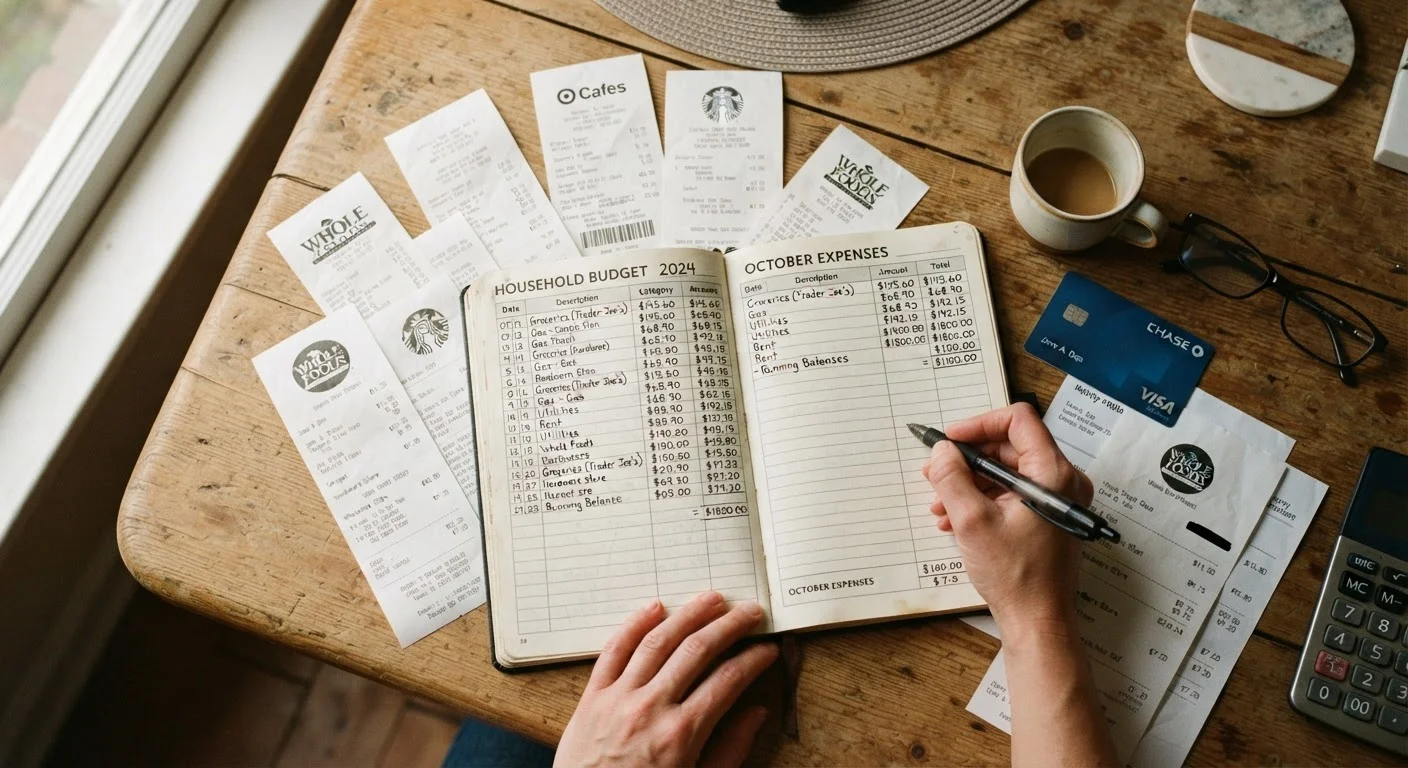
Household budgets involve dozens of small decisions each week. Groceries vs. takeout. Repairing vs. replacing. Saving vs. spending now. Each choice carries a trade-off that often goes unnamed.
When opportunity cost stays invisible, spending patterns drift. A subscription that felt convenient costs something more valuable when you add it up over a year. A furniture upgrade bought on impulse may have cost you the breathing room to handle an unexpected expense without stress.
Naming the trade-off out loud — even informally — shifts decision-making from reactive to intentional. It's not about guilt or deprivation. It's about choosing consciously. As our guide to stretching your household budget explains, intentional spending tends to feel more satisfying than reflexive spending, even at the same dollar amount.
~$1,500
Average annual U.S. household impulse spending
Various consumer research surveys estimate that unplanned purchases account for a significant share of discretionary spending for typical American households.
60%+
Americans living paycheck to paycheck
Surveys conducted by financial research firms in recent years consistently find that a majority of U.S. adults have limited financial buffer, making opportunity cost trade-offs especially consequential.
Applying the Concept to Real Decisions
Opportunity cost is most useful when you apply it to specific categories rather than every micro-purchase. Here are a few areas where it shifts thinking:
- Upgrading vs. repairing: Buying new has an opportunity cost — the repair option plus what you'd have left over. Our article on when cheap items end up costing more covers how total cost of ownership fits into this kind of analysis.
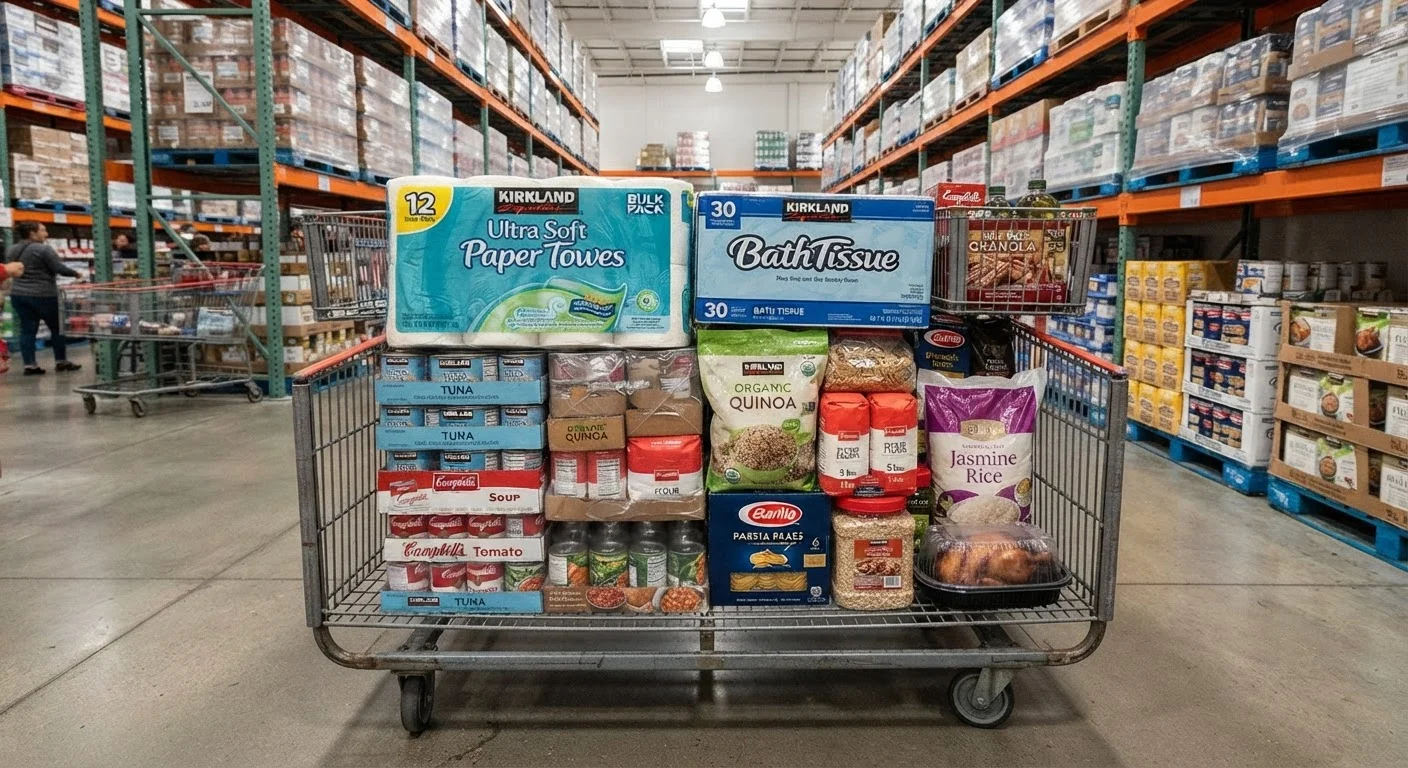
- Stocking up vs. buying as needed: Bulk purchases free up future money but lock up current cash. The opportunity cost of tying up $150 in pantry supplies might be flexibility you needed elsewhere that month.
- Premiums vs. basics: Not every household item justifies a higher price. Knowing where spending more actually pays off helps narrow down where quality is worth the opportunity cost of buying premium.
Opportunity cost also connects to longer-term financial thinking. When money doesn't go toward savings or debt reduction, it's forgoing compound progress — a concept closely related to how risk and return trade-offs work in any financial decision.
A Common Trap: Confusing It With Sunk Cost
Opportunity cost is sometimes conflated with sunk cost — but they're distinct. Sunk cost is money already spent and unrecoverable. Opportunity cost is forward-looking: what you give up from this point forward by choosing one path over another.
A household that keeps paying for an unused gym membership because "we already paid for it" is falling into sunk cost thinking. Deciding whether to cancel it is an opportunity cost question: what could that monthly fee accomplish if redirected? For a deeper look at the sunk cost trap, see our piece on how sunk cost thinking drains home budgets.
Using both concepts together — and keeping them distinct — gives you a cleaner lens on everyday financial decisions. For a broader foundation, budgeting basics is a useful starting point for building the habits that make these trade-offs easier to spot.
Name the Trade-Off Before You Decide
Before any non-routine purchase, try finishing this sentence: 'If I don't spend this money here, the next best use would be ___.' You don't need to choose the alternative — just naming it makes the opportunity cost visible and the decision more deliberate.