
Why Replacement Timelines Matter
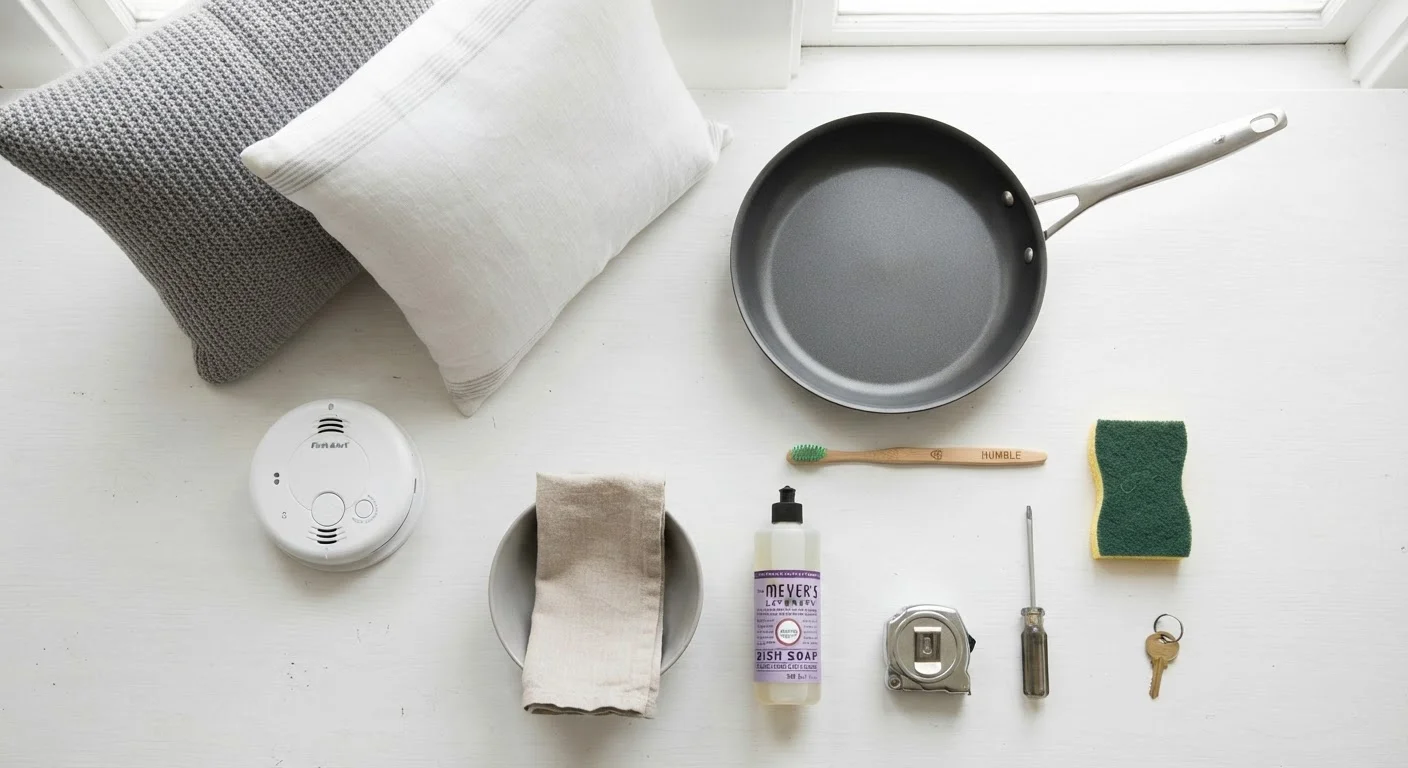
Most people replace household items only when they visibly break — but many items degrade in ways you can't always see. A pillow that looks fine may no longer support your neck properly. A smoke detector that beeps on test may not actually respond fast enough in a real fire. A nonstick pan with a scratched surface may be shedding coating into food.
Knowing roughly when items reach the end of their useful life helps you make proactive decisions instead of reactive ones. It also helps with budgeting: if you know a water heater typically lasts 8–12 years, you can start setting money aside before it fails. For context on timing larger purchases strategically, see our seasonal shopping guide.
| Smoke Detector Lifespan | 10 years (U.S. Fire Administration guidance) |
| Pillow Replacement Window | 1–2 years (Sleep Foundation general guidance) |
| Nonstick Cookware Useful Life | 3–5 years (General industry consensus) |
| Tank Water Heater Lifespan | 8–12 years (U.S. Department of Energy estimates) |
| Toothbrush Replacement Interval | Every 3–4 months (American Dental Association) |
| Kitchen Sponge Replacement | Every 1–2 weeks (NSF International food safety guidance) |
Room-by-Room Replacement Guide
Kitchen
- Nonstick cookware: 3–5 years, or sooner if the coating is scratched, peeling, or discolored.
- Kitchen sponges: 1–2 weeks. Sponges harbor bacteria rapidly — rinse and wring dry after each use, and replace frequently.
- Cutting boards: Replace when deep grooves develop that can't be cleaned thoroughly. Plastic boards: 1–2 years with heavy use; wood boards: longer with proper oiling.
- Refrigerator water filters: Every 6 months, or per manufacturer guidance based on usage volume.
Bedroom & Bath
- Pillows: 1–2 years. A simple test: fold in half — if it doesn't spring back, it's done.
- Mattresses: 7–10 years, depending on construction and use. Sagging or persistent pressure points are clear signals.
- Toothbrushes: Every 3–4 months, or after illness.
- Towels: 1–3 years with regular washing. Reduced absorbency is the key sign. See also our fabric care guide for washing habits that extend textile life.
Safety Devices
- Smoke detectors: Replace the entire unit every 10 years, even if it still chirps on test. Sensors degrade over time.
- Carbon monoxide detectors: 5–7 years. Check the manufacture date printed on the back.
- Fire extinguishers: Inspect annually; most should be professionally serviced or replaced every 6–12 years depending on type.
Check the Manufacture Date, Not Just the Purchase Date
For safety devices like smoke detectors and CO detectors, the replacement clock starts at the manufacture date printed on the unit — not when you installed it. A detector purchased new but sitting in a warehouse for two years already has two years of sensor aging. Always check the label before assuming you have a full decade of use ahead.
Major Appliances
- Water heaters (tank): 8–12 years. Age, corrosion, and sediment buildup are key factors.
- Washing machines: 10–12 years.
- Dishwashers: 9–12 years.
Routine maintenance significantly extends appliance life. Our appliance care guide covers what regular upkeep actually changes.
How to Think About Replacement vs. Repair
Not every aging item needs immediate replacement. A good rule of thumb: if a repair costs more than 50% of the item's current replacement cost, replacement usually makes more financial sense — especially for appliances already past their midpoint lifespan. For lower-cost items like pillows or cutting boards, the math almost always favors replacement over cleaning or repair.
Durability also matters at the point of purchase. Items made with better materials typically last longer and reduce replacement frequency, which lowers total cost over time. Our guide to durable vs. disposable products walks through how to evaluate upfront cost against lifetime value.
10 years
Max rated life for most smoke detector sensors
The U.S. Fire Administration recommends replacing smoke alarm units every 10 years regardless of battery status.
~50%
Repair-vs-replace cost threshold for appliances
A commonly cited rule of thumb in home maintenance guidance: if repair exceeds half the replacement cost, replacing is usually more economical.