
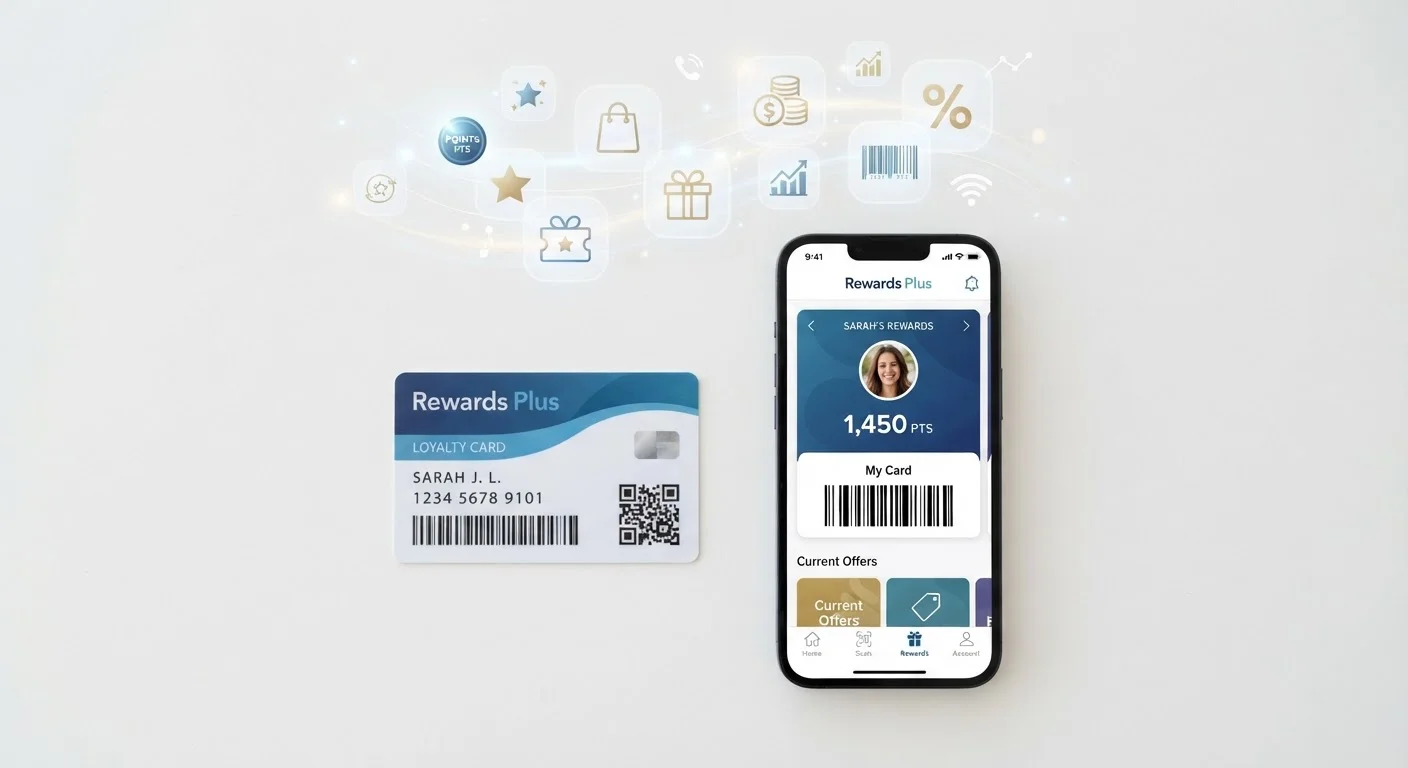
The Basic Mechanics: How Loyalty Programs Are Built
At their core, loyalty programs are retention tools. Retailers offer points, tiered status, or member-only pricing in exchange for repeat business and — critically — detailed data about your purchasing behavior. Most programs follow one of three structures: points-per-dollar (earn a set number of points per dollar spent), tiered membership (unlock better perks as annual spending rises), or paid subscription programs (pay an upfront fee for access to discounts or free shipping).
Each model is engineered to increase visit frequency and basket size. Points create a sense of accumulating value that encourages return trips. Tiers introduce status psychology — shoppers near a threshold often make additional purchases to reach the next level. Paid programs leverage the sunk-cost effect: once you've paid to join, you're motivated to spend enough to justify the fee.
For a deeper look at how points compare to cashback and coupons mechanically, see how each savings format actually works.
Member pricing delivers real, immediate discounts
Many grocery and pharmacy programs offer member-only shelf prices that can meaningfully reduce total spend on regularly purchased items without requiring any points redemption.
Points accumulate on purchases you'd make anyway
For high-frequency shoppers at a single retailer, points earned on routine spending can translate into periodic rewards without requiring any change in behavior.
Early access and exclusive perks add convenience value
Higher-tier members often receive early sale access, free returns, or priority service — benefits with real practical value for shoppers who place significant annual spend with a retailer.
Paid membership programs can offer strong ROI for heavy users
Subscription-style programs that bundle free shipping, extended returns, and member pricing can yield net savings that exceed the annual fee for shoppers whose natural behavior qualifies them for multiple benefits.
What You Actually Give Up
The most significant tradeoff is data. When you join a loyalty program, you typically authorize the retailer to link your identity to every transaction — what you bought, when, how often, and at what price. This transaction history is used to build behavioral profiles that inform marketing, inventory decisions, and dynamic pricing strategies.
Privacy policies vary widely. Some programs share or sell anonymized data to third-party advertisers; others use it only internally. Few shoppers read these terms before enrolling. Beyond data, there are subtler costs: loyalty pricing can create a two-tier system where non-members pay a higher shelf price, effectively penalizing shoppers who opt out. And points often expire, carry redemption minimums, or can only be used toward future purchases rather than immediately reducing a bill.
Detailed shopping data is collected and profiled
Enrollment links your identity to every transaction, creating a behavioral record retailers use for targeting, segmentation, and in some cases third-party data partnerships.
Points expiration erodes earned value
Many programs impose expiration windows or require minimum account activity to keep points alive, meaning infrequent shoppers may lose accumulated rewards before they can redeem them.
Tiered structures disproportionately reward heavy spenders
The most meaningful perks are locked behind annual spending thresholds that occasional shoppers rarely reach, making the program's headline benefits largely inaccessible to most members.
Behavioral nudges can increase unplanned spending
Points multipliers, threshold bonuses, and expiring rewards are deliberately designed to prompt additional purchases — shoppers who respond to these prompts may spend more than they save.
Non-members face higher shelf prices in some formats
When member pricing is the primary discount mechanism, shoppers who opt out of data sharing effectively subsidize the program by paying elevated non-member prices for the same goods.
For a sharper look at whether the math actually favors you, see how loyalty earnings compare to what retailers advertise.
Making an Informed Decision Before You Enroll
Before signing up, it's worth asking a few practical questions. First, does the retailer represent a significant share of your regular spending? Programs deliver the most value when your natural shopping behavior already aligns with one store. Joining a program to chase a sign-up bonus and then rarely returning produces minimal reward while still generating data for the retailer.
Second, what does the redemption structure actually look like? Some programs require you to accumulate points for months before they're usable, and the effective return rate — total rewards earned divided by total spending — is often under two percent. Compare that to what a flat-rate cashback credit card might return on the same purchases. For clarity on how these reward types differ, understand what cashback, points, and statement credits each mean in practice.
Check Your Privacy Options Before Assuming
Many loyalty programs include opt-down settings that limit how your data is used for targeted marketing or third-party sharing. These options are rarely highlighted at signup and often require navigating account settings or contacting customer service to activate. Reviewing the privacy section of a program's terms before enrolling — not after — gives you more meaningful control over what you agree to.
Third, review the privacy settings. Many programs allow you to limit data sharing or opt out of targeted marketing without losing basic benefits — but you typically have to actively request this rather than having it as the default.