How Coupons Actually Work
A coupon is a straightforward discount mechanism: it reduces the stated price of a product at the point of purchase. Whether it's a printed insert, a digital code, or a store-app clip, the mechanics are the same — present the coupon, receive the discount immediately. No waiting, no thresholds.
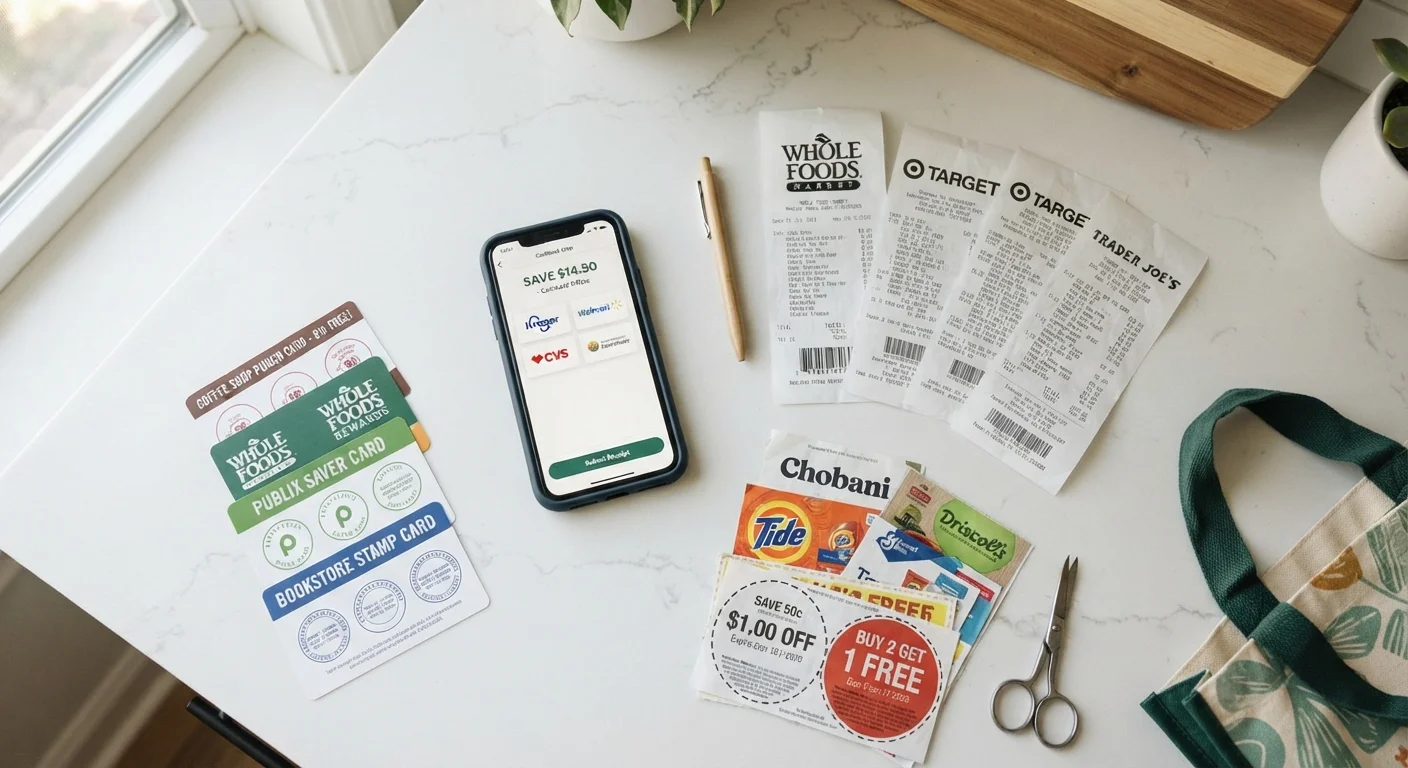
Manufacturer coupons are issued by the brand itself and are generally accepted across multiple retailers. Store coupons come from the retailer and apply only to purchases at that specific chain. In many cases, both can be used on the same item — a practice commonly called stacking — though retailer policies vary.
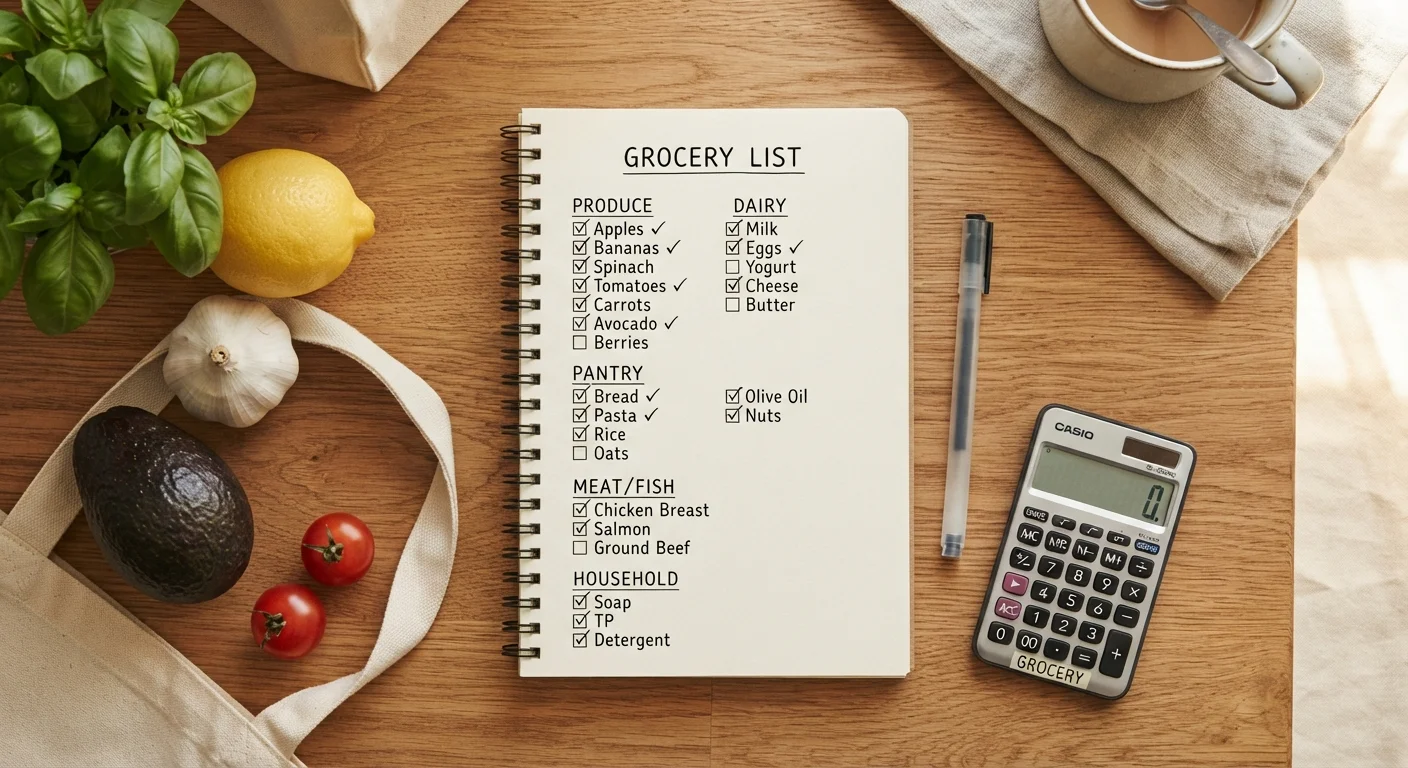
The key limitation of coupons is specificity. A coupon applies to a defined product, size, or variant, which can lead to buying something you wouldn't have chosen otherwise. If that happens, the discount isn't really saving you money — it's redirecting your spending. The discipline is using coupons for items already on your list, not letting coupons drive what ends up in your cart.
Stack Coupons on Sale Items When Possible
The biggest coupon wins come from applying discounts to items already marked down — not from hunting for coupons first and buying around them. Check your retailer's weekly ad before browsing available coupons, then match offers to items you planned to buy. This approach avoids the trap of spending more simply because a coupon exists.
How Cashback Programs Work
Cashback programs return a percentage of what you spent — typically as actual dollars deposited to an account, applied as a statement credit, or transferred via a payment platform. The value proposition is straightforward: spend money you were already going to spend, receive a fraction of it back.
Cashback comes in two main forms. Credit card cashback is earned on every eligible purchase and is calculated as a percentage of the transaction amount. Portal-based cashback — through third-party shopping apps or browser extensions — works by routing your purchase through an affiliate link, with the referral commission shared back with you.
The mechanics that matter most: minimum redemption thresholds (some platforms require accumulating $20 or more before you can cash out), payment timing (which can range from days to months after purchase), and category restrictions (some cards offer elevated rates in categories like groceries or gas). For a deeper look at how credit card reward types compare, see our breakdown of cashback, rewards points, and statement credits.
~$3B
Annual digital coupon redemptions in the U.S.
Industry tracking firms have estimated U.S. digital coupon redemptions in the billions of dollars annually, reflecting a significant shift from paper to app-based formats.
1–2%
Typical flat-rate cashback on credit cards
Most flat-rate cashback credit cards return between 1% and 2% of eligible purchases, though category-specific cards can offer higher rates in select spending areas.
How Loyalty Points Work
Loyalty point programs reward repeat purchases with a currency — points, miles, or coins — that can be redeemed later within the same retail ecosystem. Earn rates vary widely: one point per dollar is common, but some programs offer multipliers for purchases in priority categories or during promotional windows.
The critical variable is point valuation. Unlike cashback, points don't have a fixed dollar value. A point might be worth one cent in some programs and a fraction of that in others, and redemption value often differs depending on what you're redeeming for. Merchandise redemptions frequently offer lower value per point than travel or gift card redemptions — and even within those, the math changes by item.
Points also come with expiration rules, tier requirements, and program changes that can erode accumulated value without warning. For a thorough look at how these programs are structured — and what you give up by joining them — see our guide to how loyalty programs work. And for a closer look at when the math actually favors the shopper versus the retailer, loyalty programs decoded is worth reading before you commit.
Comparing All Three Side by Side
Each mechanism has a different risk-reward profile depending on shopping frequency, brand loyalty, and how much management you're willing to do. Here's how they stack up across criteria that matter to cost-conscious household shoppers.
| Coupons | Cashback | Loyalty Points | |
|---|---|---|---|
| When savings are received | Immediately at checkout | Days to months after purchase | At future redemption only |
| Value clarity | Fixed and transparent | Fixed percentage, clear | Variable; depends on redemption |
| Retailer lock-in | Low (manufacturer coupons travel) | Low to medium | High (points stay in ecosystem) |
| Expiration risk | Yes, printed expiry dates | Generally low | High; points expire or devalue |
| Effort required | Moderate (clipping, organizing) | Low once enrolled | Low to earn, complex to redeem well |
| Best suited for | Planned grocery or household runs | Everyday card spending | Frequent single-retailer shoppers |
For guidance on where household spending is worth optimizing at all, Home Essentials on a Budget lays out which categories reward frugality and which reward quality. Before any purchase, it's also worth reviewing retailer return policies — a topic covered in reading a return policy before you buy.
All Three Can Encourage Unplanned Spending
Coupons, cashback, and loyalty programs are designed to increase purchase frequency — not just reward it. A coupon on a non-essential item, a cashback offer that requires hitting a spend threshold, or double-points promotions can all nudge you to spend more than planned. Tracking whether your total monthly outlay is actually lower — not just your per-item cost — is the more reliable measure of whether any program is working for your budget.