Why the Total Price Alone Can Mislead You
Walk down any grocery aisle and you'll see prices ranging from under a dollar to well over ten — for essentially the same product in different-sized packages. The total price on the tag tells you how much you'll hand over at checkout. It tells you almost nothing about whether you're getting a good deal.
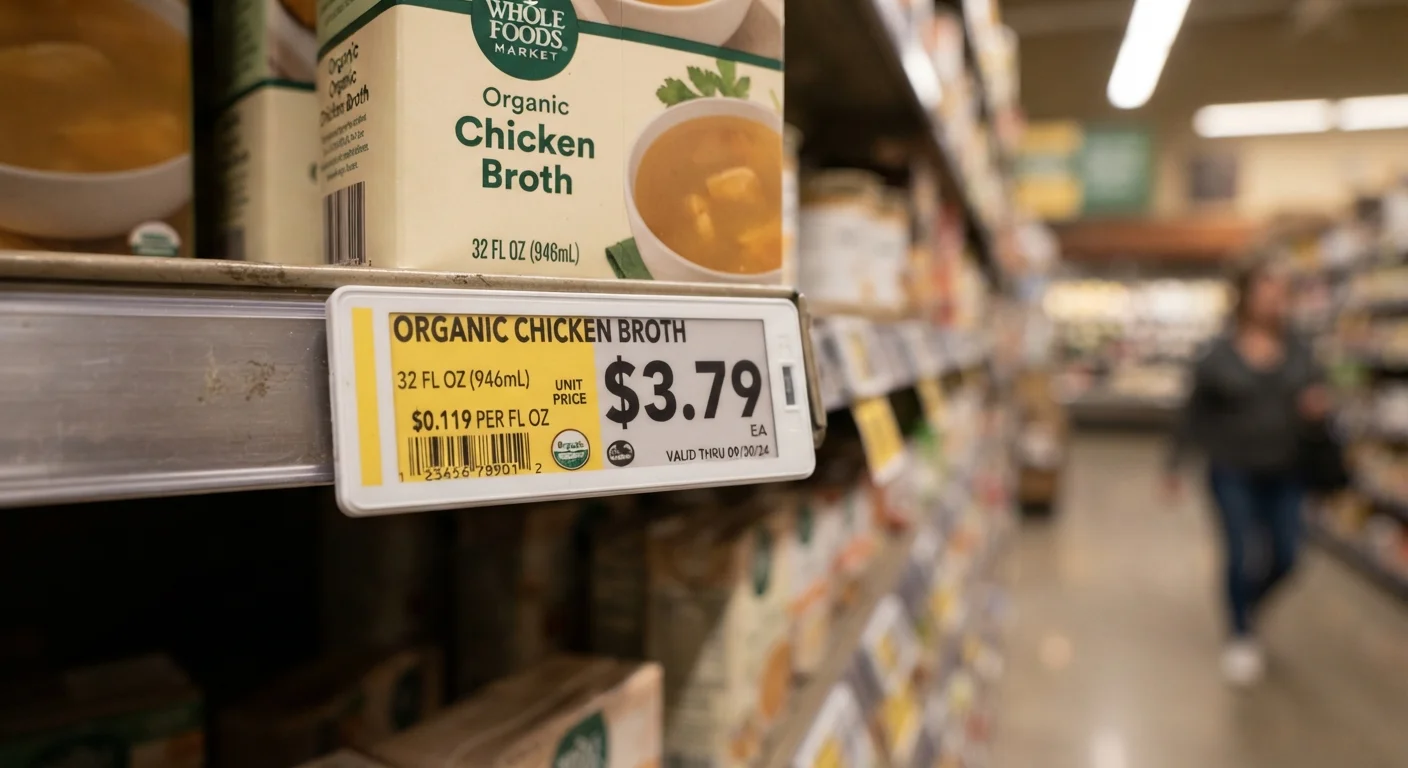
That's the job of the unit price. When you compare a 12-oz jar of peanut butter against a 28-oz jar, you can't just look at the sticker prices and call one cheaper. You need to know what each jar costs per ounce. The unit price does that conversion for you, collapsing size differences into a single comparable number.
This matters more than most shoppers realize. Package sizes have quietly shrunk in many product categories over the years — a phenomenon sometimes called "shrinkflation" — while prices stay the same or rise. Without checking the unit price, a shopper could pay more per ounce for a package that looks the same as before.
Unit Pricing Laws Vary by State
Many U.S. states have enacted unit pricing regulations requiring retailers to display cost-per-unit on shelf labels, but coverage, exemptions, and enforcement differ significantly. Some states exempt small stores or certain product types. When a label is absent, the calculation — total price divided by package quantity — takes only a few seconds with a phone calculator.
How to Read and Use the Unit Price Label
On most shelf tags, the unit price appears in smaller print, labeled something like $0.22/oz, $1.15/lb, or $0.03/sheet. The unit used depends on the product category: weight for food staples, volume for liquids, count for items like trash bags or batteries.
To compare two products, simply look at both unit prices and make sure they use the same unit. If one label shows price per ounce and another shows price per pound, convert before comparing (there are 16 ounces in a pound). If a label is missing or hard to read, the math is straightforward: divide the total price by the package quantity.
It's also worth comparing across store brands and name brands using unit price. In many categories, the store-brand option costs meaningfully less per unit with near-identical ingredients or specifications. Understanding the difference between price and value can sharpen these calls further — sometimes a modest premium per unit is warranted, and sometimes it isn't.
~75%
Shoppers unaware of unit pricing rules
Consumer research surveys have consistently found that a large majority of shoppers do not regularly use unit prices when making purchase decisions, even when the labels are clearly displayed.
16 oz
Ounces in one pound — the key conversion
When shelf tags use different units (oz vs. lb), multiplying the per-pound price by 0.0625 converts it to a per-ounce figure for direct comparison.
When the Bigger Size Isn't Actually Cheaper
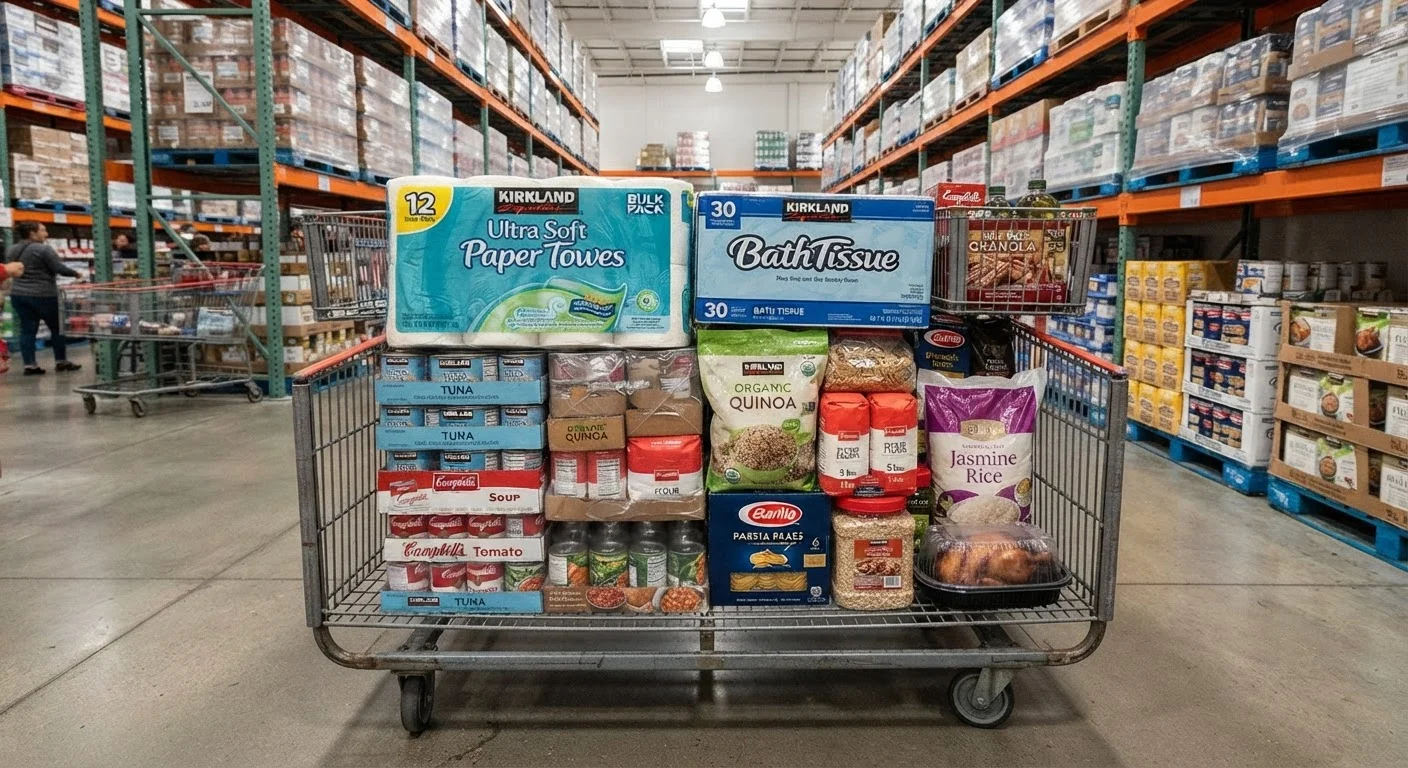
The widespread assumption is that buying in bulk always saves money. Unit pricing frequently disproves this. Retailers know shoppers expect larger packages to be more economical, and pricing doesn't always follow that expectation — especially on sale items, where a smaller package on promotion can undercut a larger one on a per-unit basis.
Perishable items add another layer. If a household regularly goes through a large container of yogurt before it expires, the lower unit price is a genuine saving. If the product routinely gets thrown out half-used, the true cost per unit consumed is much higher than the label suggests.
For a deeper look at what shapes retail pricing decisions in the first place, what drives retail pricing explains why the same item can carry very different prices across stores and package formats.
Make Unit Price a Default Habit
Train your eye to scan for the unit price before putting any packaged item in your cart. After a few shopping trips it becomes automatic. For categories you buy regularly — paper products, canned goods, cleaning supplies — you'll quickly build an instinct for what a reasonable unit price looks like, making outliers easy to spot.