
The Building Blocks of a Retail Price
Every retail price starts with costs the seller must recover: manufacturing or sourcing, warehousing, inbound freight, and the overhead of running a store or fulfillment operation. Those costs vary significantly depending on where and how a product is made, how far it travels, and how many intermediaries handle it along the way.
Markup — the margin added above cost — differs by category and retailer type. Grocery staples may carry single-digit margins; specialty goods or branded apparel can carry multiples of their production cost. Retailers in high-rent urban locations or those offering extensive service support fold those expenses into shelf prices.
The result is that price is not a straightforward signal of what something is worth in any intrinsic sense. It reflects what a specific seller needs to charge to sustain their particular business model while remaining competitive enough to make the sale.
~30–50%
Typical retail markup range above wholesale cost
Markup varies significantly by category; apparel and specialty goods often sit at the higher end, while groceries and electronics typically run thinner margins.
3–5x
Price difference between channels for identical items
Research on consumer goods has found the same SKU can vary by a factor of three to five across distribution channels, primarily driven by volume purchasing power and overhead differences.
~60%
Shoppers who check prices across multiple sources
Consumer surveys consistently find a majority of shoppers compare prices before purchasing, though price-checking behavior drops significantly for lower-cost impulse categories.
Why the Same Item Can Cost More or Less Depending on the Retailer
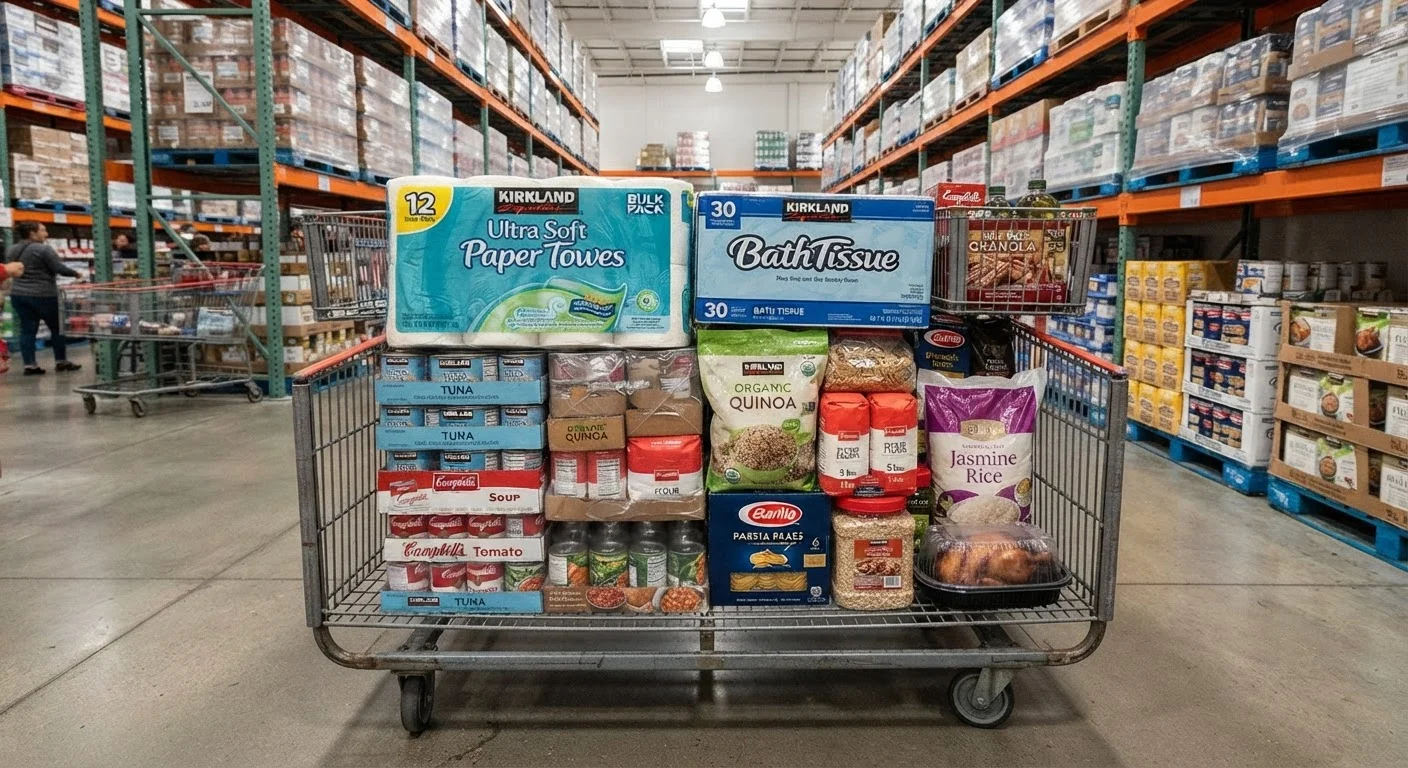
Channel matters enormously. A warehouse club selling a product in bulk buys at higher volumes and passes some of that leverage to shoppers. A specialty boutique buying smaller quantities and offering curated selection and knowledgeable staff will price accordingly. Neither model is inherently dishonest — they reflect genuinely different cost structures and value propositions.
Brand strategy also plays a role. Manufacturers sometimes set a minimum advertised price (MAP) — a floor below which authorized retailers agree not to publicly advertise a product. This keeps prices from collapsing across distribution channels and protects brand positioning. It also means a product may appear to cost the same nearly everywhere, even when underlying retailer margins differ.
Geographic variation is a further driver. Fuel costs, state-level taxes, local labor rates, and real estate all feed into regional pricing differences that shoppers may not immediately attribute to legitimate causes.
Check the Unit Price Before Comparing Packages
When comparing products across sizes or formats, the sticker price is often misleading. The unit price — cost per ounce, per count, or per square foot — makes comparisons apples-to-apples. Most U.S. retailers are required to display unit prices on shelf tags, typically in smaller print near the item's regular price.
Demand, Perception, and the Price You're Willing to Pay
Retailers and brands invest heavily in understanding what consumers perceive a product to be worth — and pricing to that perception rather than purely to cost. A well-known brand often commands a premium not because it costs more to make but because shoppers assign it more credibility or trust. This is value-based pricing, and it operates even in categories where objective quality differences are minimal.
Demand timing compounds this. Prices for items like holiday décor, patio furniture, or winter coats shift predictably across the calendar year because retailers know demand is concentrated in specific windows. Seasonal shopping cycles are one of the most reliable structures behind price movement in household categories.
Promotions and sale signals are layered on top of all this — and they are not always straightforward. The psychology behind sale pricing is a well-documented field, and understanding it helps shoppers distinguish a genuine price reduction from a framing device.
What This Means for Everyday Shopping Decisions
Knowing the mechanics behind retail pricing shifts the question from "is this a good price?" to "good compared to what, and why?" That reframe is more useful because it directs attention toward concrete comparison tools rather than gut reactions to a number on a tag.
Unit price — the cost per standardized measure, often printed in small text on shelf tags — cuts through the noise of different package sizes and is one of the most practical tools available for commodity comparisons. Store layout and presentation also shape how prices are perceived; retail environments are designed to influence spending, and awareness of that design is a genuine advantage.
For broader guidance on making confident, value-driven purchasing decisions across household and retail categories, the Smart Shopping Tips hub covers the fundamentals in a practical, category-by-category format.