The Store Is a System, Not a Random Collection of Products
When you walk into a retail store, every element of the environment has been considered. The width of the aisles, the temperature of the lighting, where you enter and how you exit — these are design decisions, not defaults. Retailers invest significantly in understanding how physical environments influence the choices shoppers make.
This isn't a recent development. The study of consumer behavior in physical retail spaces has been active for decades, with researchers examining how factors like layout, scent, sound, and color interact to shape what people buy and how much they spend. Understanding the basic logic of these systems gives shoppers a clearer view of what's actually happening when they browse.
For a broader look at how spending patterns form in the first place, see our guide to household spending habits.
~70%
Purchase decisions made inside the store
Point-of-purchase industry research has long estimated that the majority of purchasing decisions occur in-store rather than before arrival, underlining how much environment influences behavior.
Eye level
Where highest-margin products are placed
Retail shelf research consistently shows that mid-shelf, eye-height placement receives significantly more product interaction than top or bottom shelves, a fact brands and retailers use in placement negotiations.
Slower tempo
Music associated with more time in store
Academic studies in retail atmospherics, including foundational work by Milliman in the 1980s, found slower background music correlated with shoppers spending more time and money in a store.
Layout Strategies That Shape How You Move
Store layout is one of the most powerful tools retailers have. Two common formats illustrate how intentional this can be:
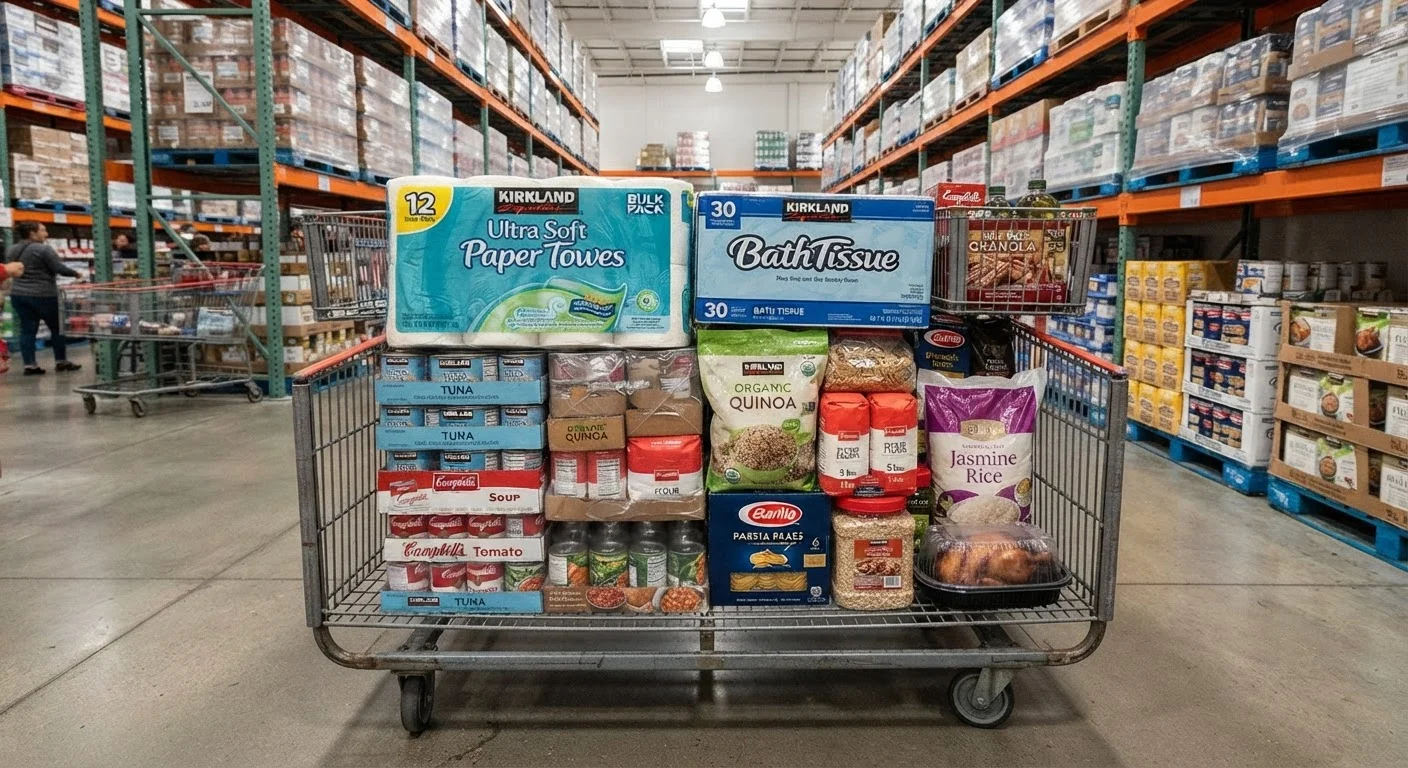
- Racetrack or loop layouts guide shoppers along a single winding path that passes the maximum number of product displays before reaching the exit. This format is common in large-format stores and home goods retailers.
- Grid layouts, typical in grocery stores, use long parallel aisles to ensure shoppers cover most of the floor to reach staple categories. High-traffic items like produce, dairy, and bread are often positioned in separate corners to draw movement across the store.
Neither format is designed for efficiency from the shopper's perspective. Both are optimized to increase exposure to merchandise. Grocery store layout specifically has been studied extensively for exactly this reason.
Check Upper and Lower Shelves
Eye-level placement is the most commercially valuable shelf position. Before defaulting to what's most visible, scan the full height of the shelf — lower-cost or store-brand alternatives are frequently positioned above or below the featured items. It only takes a few extra seconds and can meaningfully affect what you spend over time.
Sensory Cues: Lighting, Sound, and Scent
Retailers don't just control what you see — they manage what you hear, smell, and feel. These sensory inputs affect mood, and mood influences spending behavior.
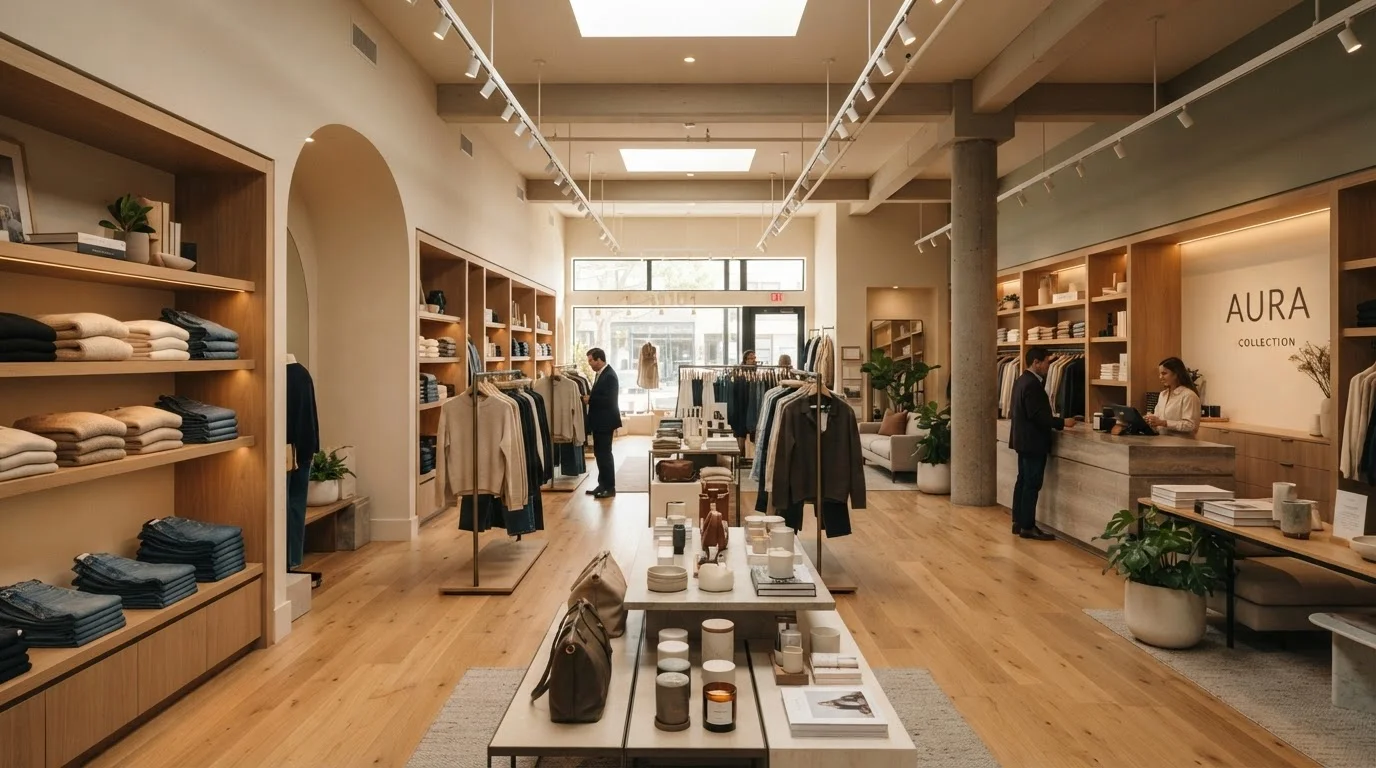
- Lighting: Warm, softer lighting in clothing and home décor stores tends to create a more relaxed, browsing-friendly atmosphere. Brighter lighting in discount stores signals practicality and value.
- Music: Retail atmospherics research consistently finds that slower music tempo encourages shoppers to move more slowly and spend more time in store. Genre can also signal brand positioning.
- Scent: Bakery aromas near store entrances, or branded fragrances diffused through high-end retail spaces, are used to create positive associations and encourage longer visits.
These cues rarely feel like tactics in the moment, which is precisely what makes them effective. The goal is to create an environment where buying feels natural and comfortable.
“The store environment is itself a form of communication. Every design choice — color, light, layout — sends a signal to the shopper about what kind of place this is and how they should feel inside it.”
— Paco Underhill, Retail consultant and author of 'Why We Buy: The Science of Shopping'
Product Placement and the Eye-Level Advantage
Shelf positioning is not neutral. Products at eye level receive the most visual attention and are selected most frequently. Retailers and brands negotiate for these positions — sometimes literally paying for premium placement in large retail chains.
On a practical level, this means:
- Higher-margin items tend to cluster at mid-shelf, eye-height zones.
- Store-brand or lower-priced alternatives are often on lower shelves, requiring deliberate effort to find.
- Checkout areas are specifically designed as impulse zones, stocked with small, low-cost items easy to add without much thought.
This connects closely to how retailers approach pricing strategy. Understanding what drives retail pricing can add another layer of context to what you're seeing on shelves.
Shopping With More Intention
Recognizing store design tactics is useful, but awareness alone isn't a reliable defense against them. Consumer research suggests that having a clear plan before entering a store is more effective than relying on in-the-moment restraint.
A few practical habits that support more deliberate shopping:
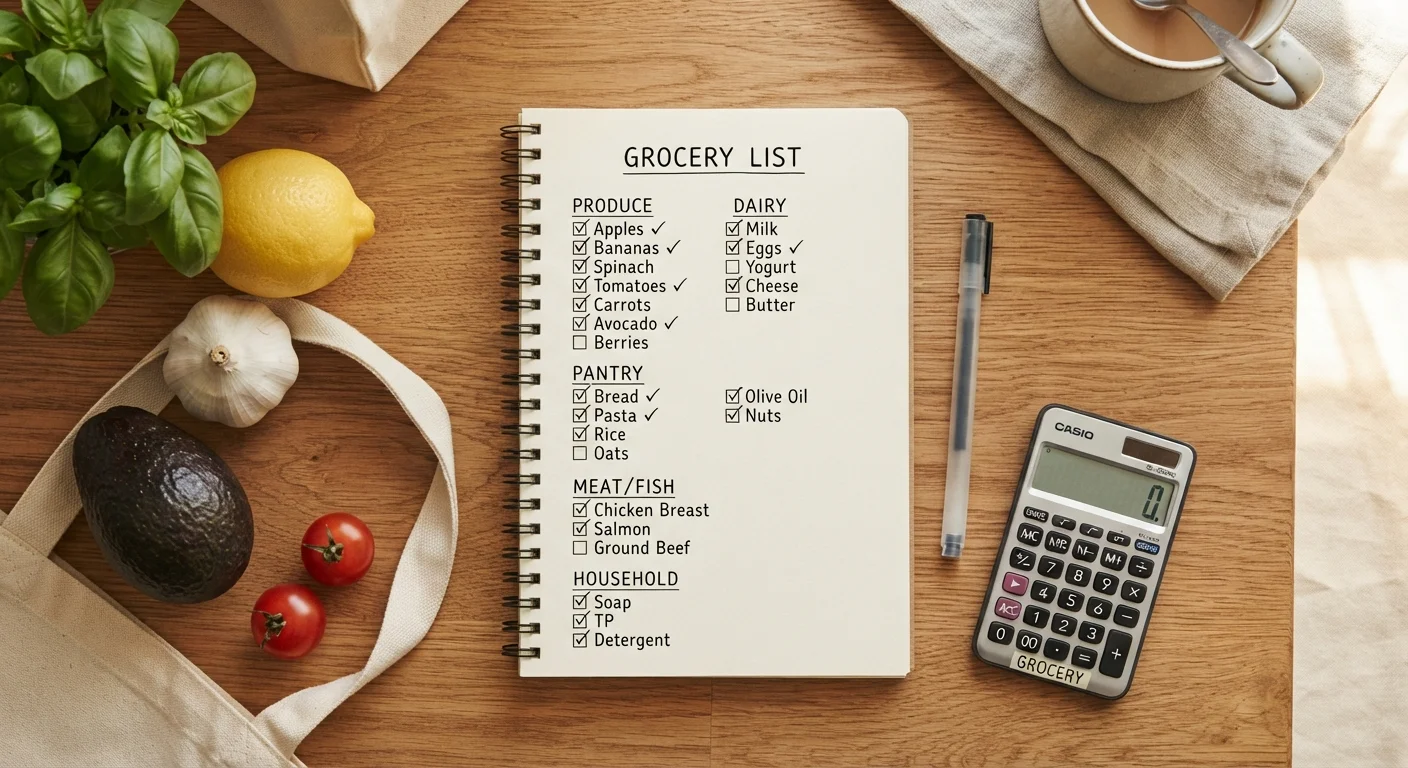
- Use a list: A specific, written or digital list gives you a defined scope before you enter. See how to build a shopping list that keeps you on budget for a structured approach.
- Notice the checkout zone: Treat the items near registers as a known nudge and decide in advance that anything there requires deliberate consideration before adding it.
- Check upper and lower shelves: The eye-level default can often be bypassed by scanning the full shelf — lower-priced alternatives are frequently positioned there.
These tactics also interact with how you pay. Payment method influences spending behavior in ways that dovetail with in-store environment effects. And if you're curious about pricing psychology specifically, our piece on sale pricing psychology covers how promotional signals like crossed-out prices work. For more resources on smart shopping, explore our hub.
The goal isn't to shop with suspicion — it's to shop with clarity about what you actually came for versus what the environment is prompting you toward.