Why These Gaps Catch Homeowners Off Guard
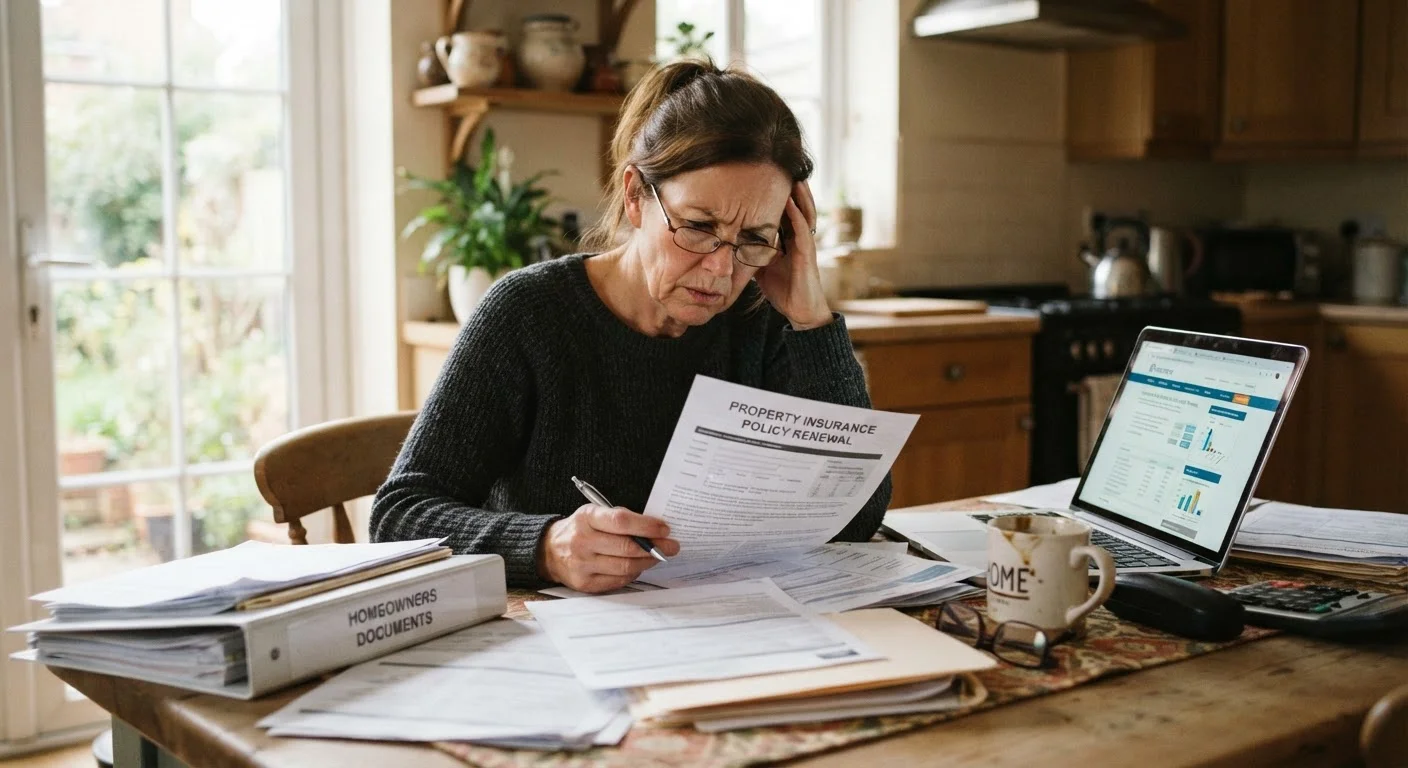
Most homeowners buy a policy, file it away, and assume they're protected. That assumption is understandable — but the fine print in a standard HO-3 policy (the most common form in the U.S.) contains exclusions and sub-limits that routinely surprise people when a claim is denied or paid out far below expectations.
The gaps discussed here aren't obscure technicalities. They're among the most frequently encountered situations where coverage is absent or sharply limited. Understanding them before a loss occurs gives you time to close them. For a broader look at how policy language is commonly misread, see common homeowners policy misreading habits.
Assuming all personal property is fully covered at its current value.
Why it happens: Homeowners see a personal property coverage limit — say $100,000 — and assume that's what they'd receive for any loss. In reality, most policies apply sub-limits to specific categories and may pay actual cash value (depreciated) rather than replacement cost.
Running a home-based business without additional coverage.
Why it happens: Many people start freelancing, consulting, or selling products from home without realizing that standard homeowners policies exclude or sharply limit business-related property and liability. The line between personal and commercial use isn't always obvious.
Believing flood damage is covered under a standard homeowners policy.
Why it happens: The word 'water damage' appears in standard policies — typically covering sudden internal leaks — so many homeowners assume all water-related events qualify. Flood, defined as water rising from an external source, is a standard exclusion.
Not disclosing a trampoline, pool, or aggressive-breed dog.
Why it happens: These items are seen as personal lifestyle choices, so it doesn't occur to many homeowners that they affect insurance. Insurers, however, treat them as liability exposures that must be disclosed and may alter coverage terms or premiums.
Overlooking sewer backup and service-line coverage.
Why it happens: Homeowners often assume the municipal utility or their standard policy will cover a backed-up sewer line or a failed underground service line. Standard policies generally exclude both.
Steps to Take After Identifying a Gap
Once you spot a potential gap, the path forward is straightforward. Start by pulling your declarations page and reading the exclusions section of your policy — not just the summary. If you're uncertain what specific language means, a licensed insurance agent or broker (not a salesperson with a quota) can walk you through it.
Don't Wait Until After a Loss to Check
Insurance gaps only become visible at claim time — by which point it's too late to add coverage. Set a reminder to review your policy annually, especially after major life changes like starting a home business, buying jewelry, adding a pool, or getting a dog. Changes to your home or lifestyle can create new exposures your existing policy doesn't address.
From there, ask your current insurer whether a rider or endorsement is available. A scheduled personal property endorsement, for instance, can cover jewelry or collectibles at agreed value rather than the policy's sub-limit. If your home doubles as a workspace, a home business endorsement or a separate business owners policy may be necessary.
For natural-disaster gaps — particularly flood, which the National Flood Insurance Program (NFIP) administers separately — a standalone policy is typically required. Coverage details and eligibility vary significantly by location and provider, so review the actual policy documents rather than relying on summaries. The article why homeowners policies exclude flood and earthquake damage explains why those gaps exist structurally.
This article provides general educational information about homeowners insurance and is not personalized insurance, financial, or legal advice. Coverage terms, exclusions, and availability vary by insurer, policy, and state. Always read your actual policy documents and consult a licensed insurance professional before making coverage decisions.