Why Standard Policies Leave These Gaps
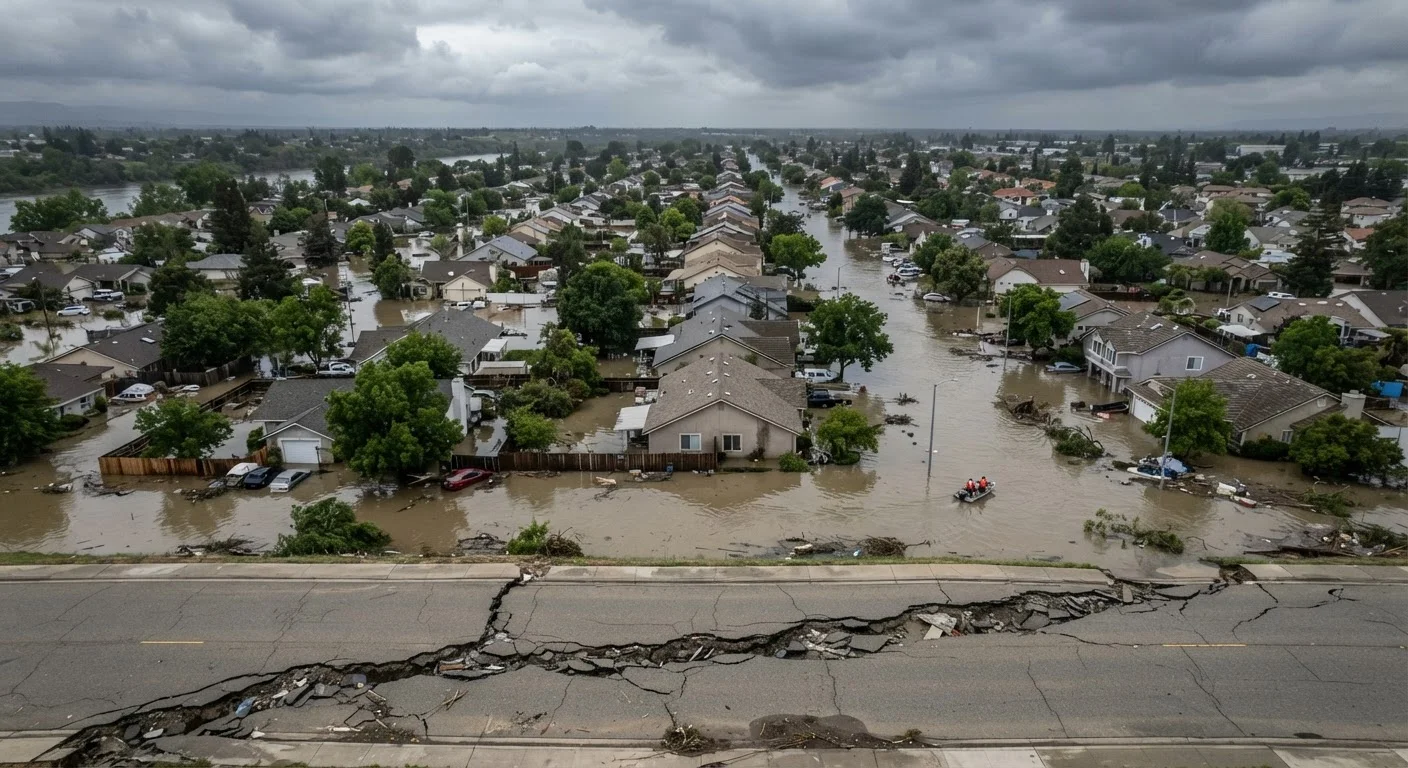
When you buy a homeowners policy, you're purchasing coverage against a defined list of perils — events the insurer has agreed to pay for. Fire, lightning, windstorms, vandalism, and certain types of water damage are typically included. Floods and earthquakes are not.
The reason comes down to risk concentration. When a major earthquake strikes or a river floods a region, thousands of homes in the same area suffer losses at the same time. That makes these events extremely expensive for insurers to cover within a standard policy structure. Rather than absorb that concentrated exposure, the industry has historically excluded these perils and made separate coverage available instead.
This isn't a hidden trick buried in fine print — the exclusions are written clearly in your policy's exclusions section. But many homeowners never read that section, assuming broad coverage exists where it doesn't. As policy misreading habits go, skipping the exclusions page is one of the costliest.
Sewer Backup Is Also Commonly Excluded
Sewer or drain backup — where water pushes back into your home through pipes — is a separate exclusion from flooding, and it's not covered under standard homeowners policies either. Many insurers offer a sewer backup endorsement for an additional premium. If your home has a basement or older plumbing, it's worth asking your agent about this add-on as well.
Flood Coverage: How to Fill the Gap
Flood insurance is most commonly purchased through the National Flood Insurance Program (NFIP), a federal program administered by FEMA. Participating communities — most of the US — can access NFIP policies through licensed agents. Coverage is split between building structure (up to $250,000) and personal contents (up to $100,000).
Private flood insurance is a growing alternative. Private policies may offer higher limits, broader definitions of flood, or shorter waiting periods. Whether NFIP or private coverage makes more sense depends on your property's flood zone designation, the age and construction of your home, and what limits you need.
One important detail: NFIP policies carry a standard 30-day waiting period before they take effect. That means you can't purchase flood insurance the week before a named storm and expect it to apply. Planning ahead matters.
~20%
Flood claims from low- to moderate-risk zones
FEMA has reported that a significant share of National Flood Insurance Program claims come from properties located outside designated high-risk flood areas.
$250,000
Maximum NFIP building coverage limit
The National Flood Insurance Program caps residential building coverage at $250,000 and contents coverage at $100,000 per policy.
10–25%
Typical earthquake policy deductible range
Most earthquake insurance policies use a percentage-based deductible tied to the insured value of the home, rather than a flat dollar amount.
For a broader look at where standard coverage ends, see coverage gaps that surprise homeowners after a claim.
Earthquake Coverage: Separate Policy or Endorsement
Earthquake insurance is generally sold as a standalone policy or as an endorsement added to your homeowners policy, depending on your state and insurer. In California, the California Earthquake Authority (CEA) is the primary source of residential earthquake coverage, and state law requires insurers to offer it alongside homeowners policies.
Earthquake policies typically cover structural damage to your home, personal property losses, and additional living expenses if your home becomes uninhabitable. Most come with a deductible expressed as a percentage of your home's insured value — often 10% to 25% — rather than a flat dollar amount. That means a high-value home in a seismic zone could face a significant out-of-pocket cost even with coverage in place.
Check Your Deductible Before You Buy
Before purchasing earthquake insurance, calculate what a percentage-based deductible would mean in dollar terms for your home. On a home insured for $400,000 with a 15% deductible, you'd pay $60,000 out of pocket before coverage kicks in. Make sure the coverage level and deductible structure make sense for your financial situation. A licensed agent can walk you through the numbers.
If you're unsure what your current policy does and doesn't cover, your personal property coverage scope and limits is another area worth reviewing alongside these exclusions.
What This Means for Your Coverage Strategy
The practical takeaway is straightforward: location shapes your risk, but not owning coverage in a 'low-risk' area is still a gamble. FEMA estimates that roughly 20% of flood insurance claims come from properties outside high-risk flood zones. Earthquakes don't follow zip code boundaries either.
Start by pulling out your current homeowners policy and reading the exclusions section — not just the declarations page that summarizes what's covered. If you identify gaps, contact a licensed insurance agent to discuss what standalone policies are available in your area and what they cost. Prices vary substantially based on your home's location, age, and construction.
These coverage decisions are part of a larger picture. The coverage gaps that affect many households often stem from assuming a policy covers more than it does. Reading the actual documents — and asking questions before a disaster, not after — is the most reliable way to know where you stand.
This article is for general informational and educational purposes only and does not constitute insurance, financial, or legal advice. Coverage terms, exclusions, and availability vary by insurer, policy, and state. Consult a licensed insurance agent or adviser regarding your specific situation and policy documents.