What Bundling Actually Means
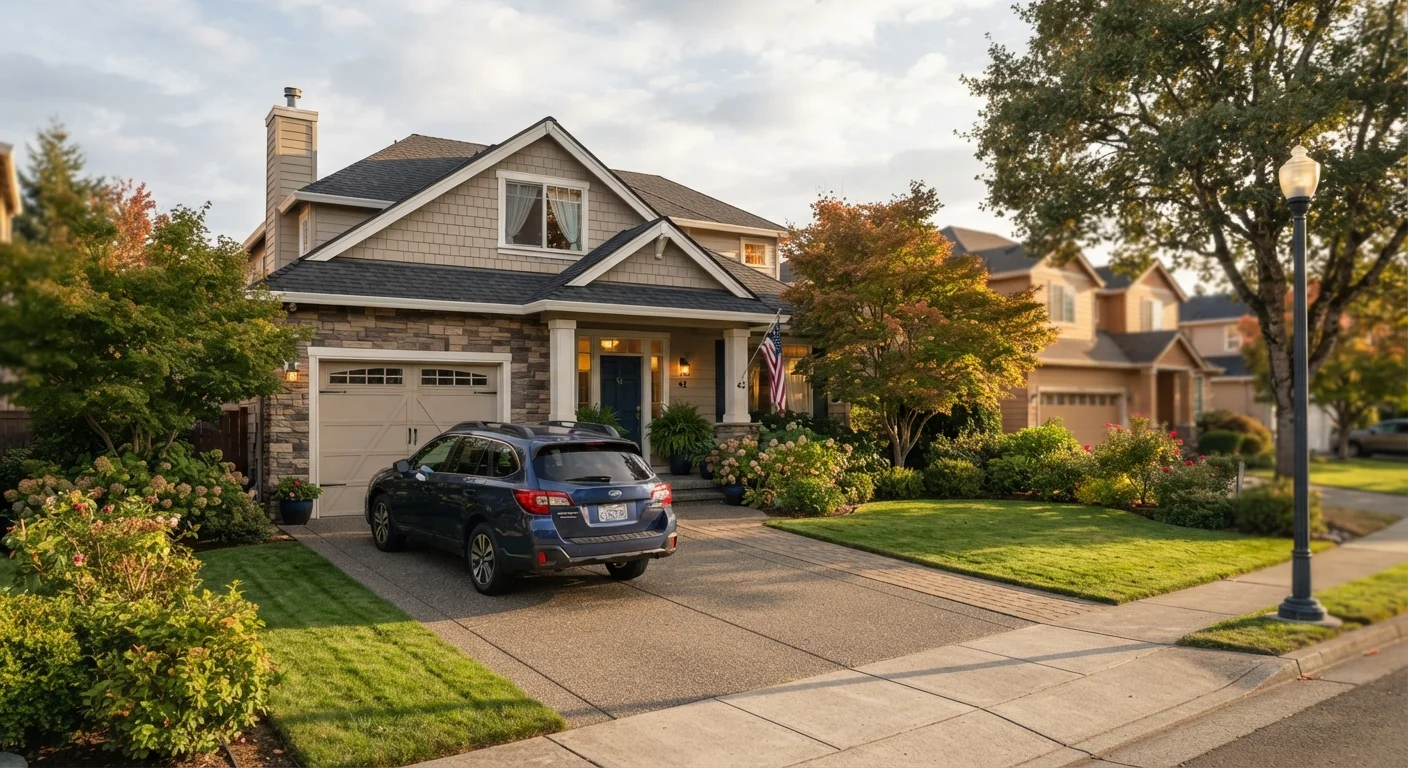
When insurers talk about bundling, they mean purchasing two or more policies — most commonly auto and homeowners — from the same company. In exchange, they typically offer a multi-policy discount, which reduces the premium on one or both policies.
The mechanics are straightforward: you apply for both policies together (or add a second policy to an existing one), and the insurer links the accounts. You'll usually receive a single bill or at least coordinated billing, and you'll have one point of contact for both policies.
What bundling does not do is merge your policies into one. Your auto and home coverage remain separate contracts with their own terms, deductibles, exclusions, and limits. Understanding what each policy covers individually is still essential — see what your auto insurance policy actually covers for a breakdown of the key coverage types.
This article is for general informational purposes only and is not personalised insurance or financial advice. Coverage terms, discounts, and availability vary by insurer and state. Consult a licensed insurance agent for guidance specific to your situation.
The Pros of Bundling
There are genuine advantages to consolidating your coverage with one insurer — beyond just the discount.
Multi-policy discount reduces overall premium cost
Most major insurers offer discounts ranging from roughly 5% to 25% when you hold two or more policies. The actual savings depend on the insurer and your profile, so it's worth verifying the specific discount you're being offered.
Simplified billing and policy management
Managing one insurer instead of two means fewer renewal dates to track, one customer service number, and often a single payment. This reduces the chance of a lapse in coverage due to an overlooked bill.
Potential for loyalty benefits over time
Some insurers offer additional perks to long-term customers with multiple policies, such as accident forgiveness or reduced deductibles. These vary significantly by company and are not guaranteed.
Coordinated claims handling in overlapping situations
In rare scenarios — such as a vehicle hitting your home — having both claims with one insurer can streamline the process and reduce disputes over which policy applies.
5%–25%
Typical multi-policy discount range
Insurance industry sources generally cite this range for bundling auto and home, though individual discounts depend on insurer, state, and customer profile.
~65%
U.S. homeowners who bundle policies
Industry estimates suggest a substantial majority of homeowners with auto coverage hold both policies with the same insurer, reflecting bundling's widespread adoption.
For a deeper look at how bundling affects individual policy terms and what tends to change, see what changes and what stays the same when you bundle.
The Cons of Bundling
Bundling isn't automatically the right call. There are meaningful downsides worth weighing before you commit.
Bundled price isn't always cheaper
A discount applied to a higher base premium can still result in a larger total cost than buying each policy from a different, more competitive insurer. Always compare the final dollar amount, not just the discount.
Weaker coverage on one or both policies
Insurers that are strong on auto coverage may not be as competitive on homeowners coverage, and vice versa. Accepting a bundled package could mean settling for terms that don't fully serve your needs on one policy.
Switching becomes more complicated
When both policies are tied to one insurer, leaving because of poor service or a better deal elsewhere requires replacing both policies simultaneously — which adds friction and timing complexity.
Discount may erode at renewal
Base premiums can increase at renewal even with a multi-policy discount applied. The net saving may shrink over time, making it worth re-shopping periodically rather than assuming loyalty equals value.
Renters Can Bundle Too
Bundling isn't limited to homeowners. Renters insurance can also be bundled with auto coverage for a similar multi-policy discount. If you're renting, it's worth asking any auto insurer whether they also offer renters policies and what the combined pricing looks like. Coverage terms and discount availability vary by insurer and state.
If you're evaluating your overall liability exposure — especially if you have significant assets — it's also worth exploring how umbrella policies work beyond standard home and auto limits.
How to Decide If Bundling Is Right for You
The key question isn't whether bundling is good in general — it's whether it works in your specific case. Here's a practical approach:
- Get separate quotes first. Obtain standalone auto and home quotes from multiple insurers, then get bundled quotes from those same companies. Compare the total cost, not just the discount percentage.
- Check coverage quality on both policies. A 15% discount means little if your home coverage has a higher deductible or narrower replacement cost terms than a competitor's standalone policy.
- Review claims reputation. Price matters, but so does how an insurer handles claims. Look into complaint ratios through your state's insurance department or publicly available regulatory data.
- Revisit annually. Your best option today may not be the best option at renewal. Use an annual coverage review checklist to reassess when life circumstances change.
Bundling can absolutely be the right move — just make sure the numbers and the coverage actually support the decision.