What Liability Coverage Actually Does
Liability coverage is the foundation of nearly every auto insurance policy in the United States. All but a handful of states require drivers to carry at least a minimum amount of it. What it pays for, though, is narrower than many drivers realize.
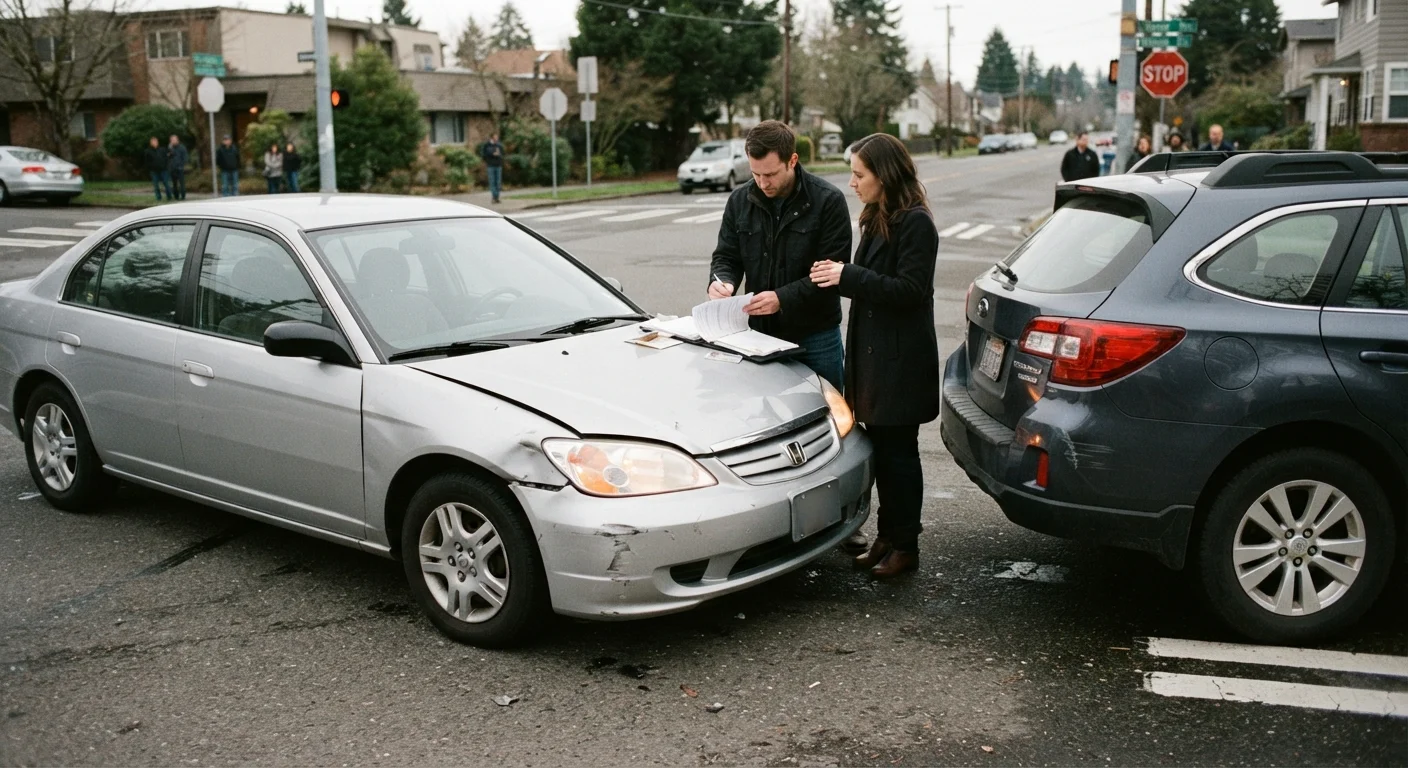
When you're at fault in an accident, liability coverage pays for the other party's property damage and bodily injuries — up to your policy limits. If you rear-end another driver and damage their car, your liability coverage handles their repair bill and any medical costs they incur. It does not touch your vehicle or your injuries.
Liability is typically split into three numbers, such as 25/50/25, representing per-person bodily injury limits, per-accident bodily injury limits, and property damage limits (all in thousands of dollars). State minimums vary considerably, and those minimums are often lower than what a serious accident can actually cost.
For a deeper look at how each coverage component in a standard auto policy works, see what your auto policy actually covers.
State Minimums Are a Floor, Not a Recommendation
Every state sets its own minimum liability requirements, and in most states those minimums are relatively low. A serious accident involving injuries or an expensive vehicle can easily exceed those limits, leaving you personally responsible for the remaining costs. Many insurance professionals suggest carrying limits above the state minimum if your financial situation warrants the added protection. Speak with a licensed agent to assess what limits make sense for your circumstances.
What Full Coverage Adds to the Picture
"Full coverage" isn't a single, defined product — it's an informal term for a policy that bundles liability with two additional protections: collision and comprehensive.
- Collision coverage pays to repair or replace your vehicle when it's damaged in a crash, regardless of fault. Whether you hit another car, a guardrail, or a pothole, collision coverage applies to your vehicle.
- Comprehensive coverage handles damage from events other than collisions — theft, vandalism, hail, flooding, fire, and animal strikes are common examples.
Together, these two coverages mean your own vehicle is protected across a wide range of scenarios. You'll pay a deductible (a set amount you cover before insurance kicks in), and the insurer pays the rest up to your vehicle's actual cash value.
It's worth noting that even a so-called full coverage policy typically won't include everything — gap insurance, roadside assistance, and rental reimbursement are usually separate add-ons. Always read your declarations page to understand exactly what's included.
| Criterion | Liability-Only | Full Coverage |
|---|---|---|
| Covers damage you cause to others | Yes | Yes |
| Covers your own vehicle in a crash | No | Yes (collision) |
| Covers theft, weather, or animal damage | No | Yes (comprehensive) |
| Required by state law | Usually (minimum) | No (but lenders may require) |
| Typical relative premium cost | Lower | Higher |
| Deductible applies | No | Yes (collision & comprehensive) |
| Suitable for financed vehicles | Generally not | Yes |
How to Think About the Decision
The central question isn't which option is "better" — it's which one fits your situation. A few practical factors shape that answer:
- Vehicle value: If your car's market value is low, the annual premium for collision and comprehensive coverage may approach or exceed what you'd collect on a total-loss claim. A general rule of thumb is to weigh your vehicle's current value against the added premium plus deductible.
- Loan or lease status: If you still owe money on your vehicle, the lender almost certainly requires full coverage. This isn't optional — failing to maintain it can trigger force-placed insurance, which is typically more expensive and less favorable.
- Your financial cushion: Liability-only can make sense if you could comfortably pay out of pocket to repair or replace your car. If that expense would cause real financial hardship, broader coverage reduces that risk.
- How you use the vehicle: Drivers who log more miles, park in high-theft areas, or live in regions prone to severe weather may find comprehensive coverage particularly valuable.
If you carry higher liability limits and want protection beyond standard policy caps, umbrella insurance is worth understanding as an additional layer.
This article is for general informational purposes only and does not constitute personalized insurance, financial, or legal advice. Coverage terms, exclusions, and requirements vary by insurer and by state. Always review your actual policy documents and consult a licensed insurance agent or adviser before making coverage decisions.