
Why Health Insurance Myths Are So Expensive
Health insurance is one of the most consequential financial decisions most Americans make each year — and one of the least understood. Picking the wrong plan, skipping coverage altogether, or misreading what your policy actually covers can cost you hundreds or even thousands of dollars. The good news: most enrollment mistakes stem from a handful of persistent myths that are straightforward to correct once someone lays out the facts clearly.
This article addresses the most common misconceptions head-on. If you want a broader walkthrough of the enrollment process itself, see our open enrollment guide for a step-by-step comparison framework.
Myth
The plan with the lowest monthly premium is the cheapest option.
Fact
A low premium often pairs with a high deductible and higher out-of-pocket maximums, which can make it far more expensive when you actually use care.
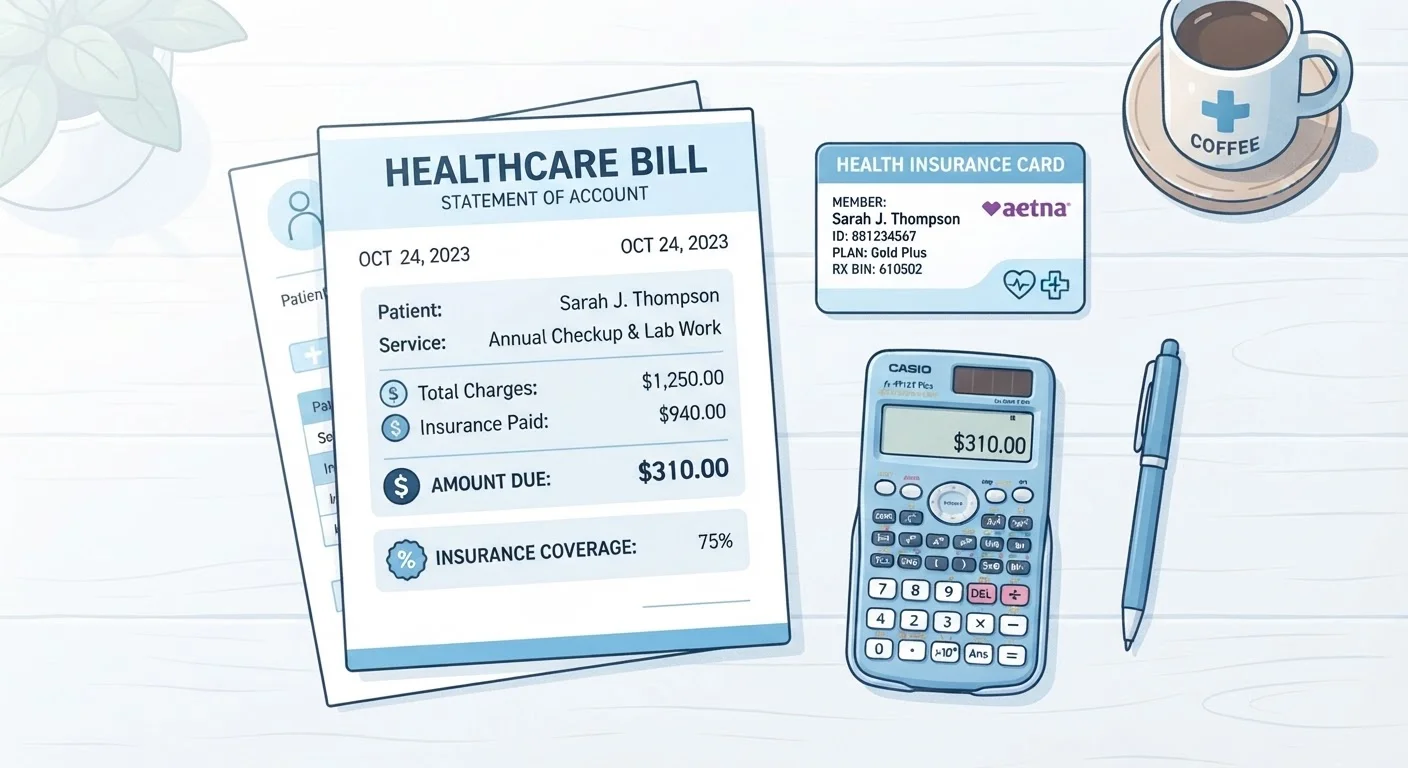
The premium is only one piece of the cost equation. When comparing plans, you need to account for the deductible (what you pay before insurance kicks in), copays and coinsurance (your share of each service), and the out-of-pocket maximum (the most you'd pay in a year). A plan with a $150/month premium and a $7,000 deductible can cost significantly more than one with a $250/month premium and a $1,500 deductible — especially if you have a chronic condition, a planned surgery, or a family member who uses care regularly.
Before enrolling, estimate your likely annual usage and do the math across all cost-sharing components, not just the premium line.
Myth
If I'm young and healthy, I don't really need health insurance.
Fact
Accidents and sudden illnesses don't discriminate by age — and a single emergency room visit or hospital stay can generate bills that take years to pay off.
A broken leg from a weekend hike, an appendectomy, or a car accident can result in hospital bills ranging from tens of thousands to hundreds of thousands of dollars. Without insurance, you're responsible for the full amount. Even if you negotiate the bill down, the financial impact can be severe — medical debt is one of the leading causes of personal bankruptcy filings in the United States.
Going uninsured also means forgoing preventive care — screenings and checkups that are covered at no cost under most ACA-compliant plans — which can catch problems before they become expensive to treat.
Myth
My employer's health plan is always my best or cheapest option.
Fact
Employer plans vary widely in quality and cost-sharing; depending on your income and household size, a marketplace plan with premium tax credits may actually cost you less.
Employers are required to offer coverage that meets minimum value and affordability standards, but those thresholds are based on single coverage for the employee — not for a spouse or dependents. If the employer's family coverage premium is high, you may find better value on the ACA marketplace, particularly if your household income qualifies you for premium tax credits.
It's worth getting a marketplace quote during open enrollment even if you have access to employer coverage, so you can make a genuine comparison rather than assuming the employer plan wins by default.
Myth
I can sign up for health insurance any time I want.
Fact
Outside of Open Enrollment — typically in the fall for coverage starting January 1 — you can only enroll if you experience a qualifying life event such as job loss, marriage, or the birth of a child.
Missing Open Enrollment without a qualifying life event generally means you're locked out of marketplace and most employer plans until the next annual enrollment period — potentially an entire year. Special Enrollment Periods (SEPs) are triggered by specific circumstances and have strict documentation requirements and deadlines, usually 30 to 60 days from the qualifying event.
Mark enrollment dates on your calendar well in advance. Procrastinating until the final day leaves no room to research plan options thoroughly.
Myth
"Full coverage" means everything is covered.
Fact
There is no health plan that covers every service with no cost to you — all plans have exclusions, network restrictions, and cost-sharing requirements.
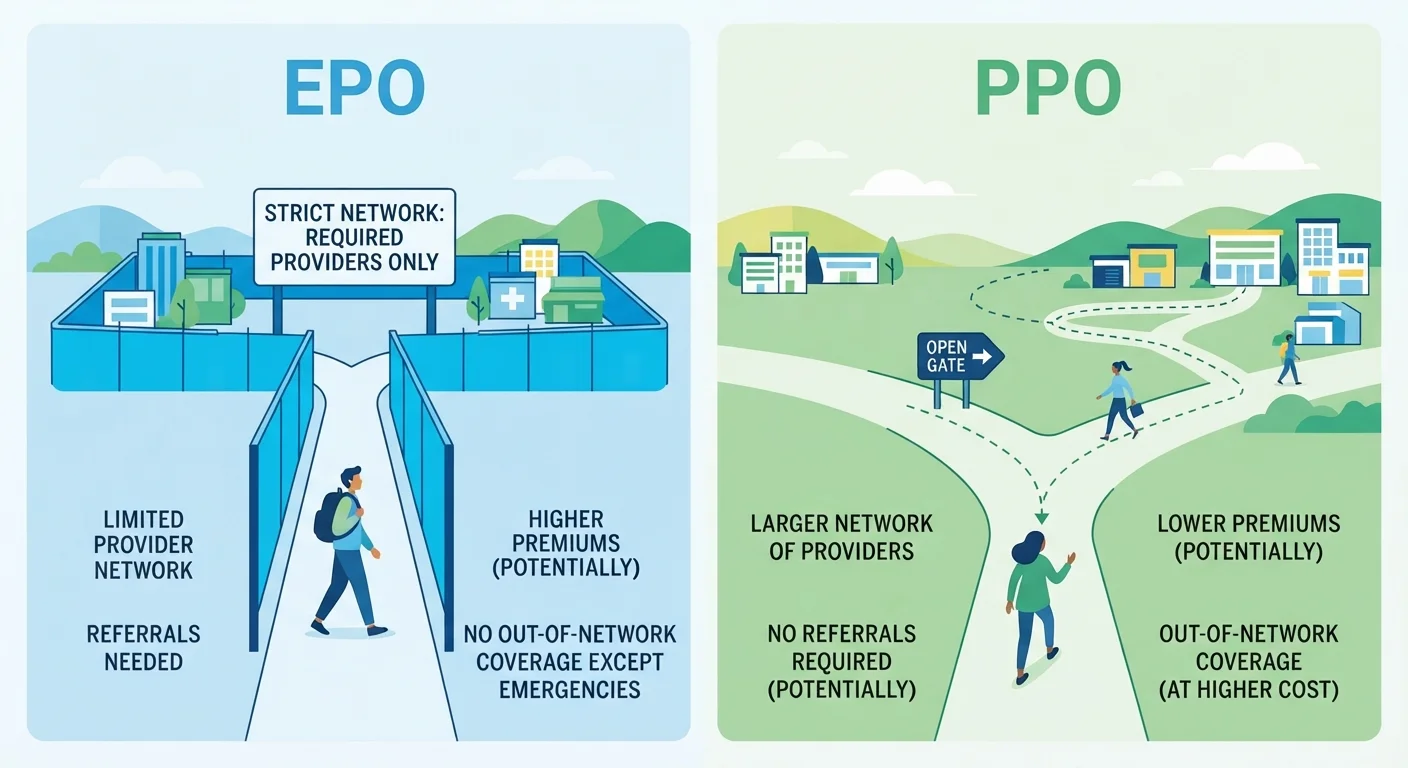
The term "full coverage" is a colloquial shorthand, not a defined insurance standard. Every plan has a network of providers, and services from out-of-network providers may be partially or not covered at all. Plans also exclude certain services (cosmetic procedures, some fertility treatments, specific experimental therapies) and require prior authorization for others.
Always check the plan's Summary of Benefits and Coverage (SBC) and provider directory before assuming a specific doctor, hospital, or service is covered. The SBC is a standardized document that all ACA-compliant plans are required to provide.
Myth
A higher deductible plan is always the wrong choice.
Fact
High-deductible health plans (HDHPs) paired with a Health Savings Account (HSA) can be a cost-effective strategy for people who are generally healthy and can afford to cover routine expenses out of pocket.
HDHPs carry lower premiums and, when paired with an HSA, allow you to set aside pre-tax dollars for qualified medical expenses. Unused HSA funds roll over year to year — they don't expire — making them a legitimate savings and tax-planning tool. However, this approach requires that you actually have the cash available to cover the deductible if something unexpected happens. An HDHP is not appropriate for everyone, particularly those managing ongoing conditions that require frequent care.
The right plan depends on your health history, financial cushion, and expected utilization — not a blanket rule.
What These Myths Have in Common — and What to Do Instead
Notice a pattern: almost every myth listed above leads people to underestimate either their financial exposure or the complexity of their options. The antidote is the same in each case — slow down, read the actual plan documents (specifically the Summary of Benefits and Coverage, or SBC), and run the numbers for your expected usage, not just the premium line.
~40%
Americans who say they don't fully understand their health plan
Surveys conducted by health literacy researchers consistently show that a large share of insured Americans struggle to correctly define basic terms like deductible, copay, and out-of-pocket maximum.
$1,763
Average individual deductible for employer-sponsored single coverage
According to the KFF Employer Health Benefits Survey, average deductibles for single coverage in employer-sponsored plans have risen substantially over the past decade.
9 million+
People enrolled via ACA marketplace who receive premium tax credits
Federal data shows that the majority of marketplace enrollees qualify for income-based premium subsidies, making marketplace plans more affordable than many assume.
If you're uncertain whether your employer plan, a marketplace plan, or Medicaid is the right fit for your household income and family size, a licensed insurance navigator or broker can walk through the options at no charge to you. They are not allowed to steer you toward a specific product in a self-serving way — they're there to explain what fits your situation.
The same myth-busting discipline applies in other insurance categories. Our colleagues have covered similar ground for auto insurance myths and life insurance myths if you want to audit those coverage areas too.
Don't Guess — Read Your Summary of Benefits
Every ACA-compliant health plan is required to provide a Summary of Benefits and Coverage (SBC) — a standardized document that spells out what is and isn't covered, what you'll pay for common services, and what your deductible and out-of-pocket maximum are. Before enrolling, read it carefully. If a term is unclear, your insurer's member services line is required to explain it. Decisions based on assumptions rather than the actual SBC are the single most preventable source of enrollment regret.
This article is for general informational and educational purposes only and does not constitute personalized insurance, financial, or legal advice. Coverage terms, costs, and eligibility vary by plan, provider, and state. Always review actual policy documents and consult a licensed insurance professional before making enrollment decisions.