How Each Plan Controls the Way You Access Care
The biggest practical difference between an HMO and a PPO isn't the premium — it's how you get to a doctor in the first place.
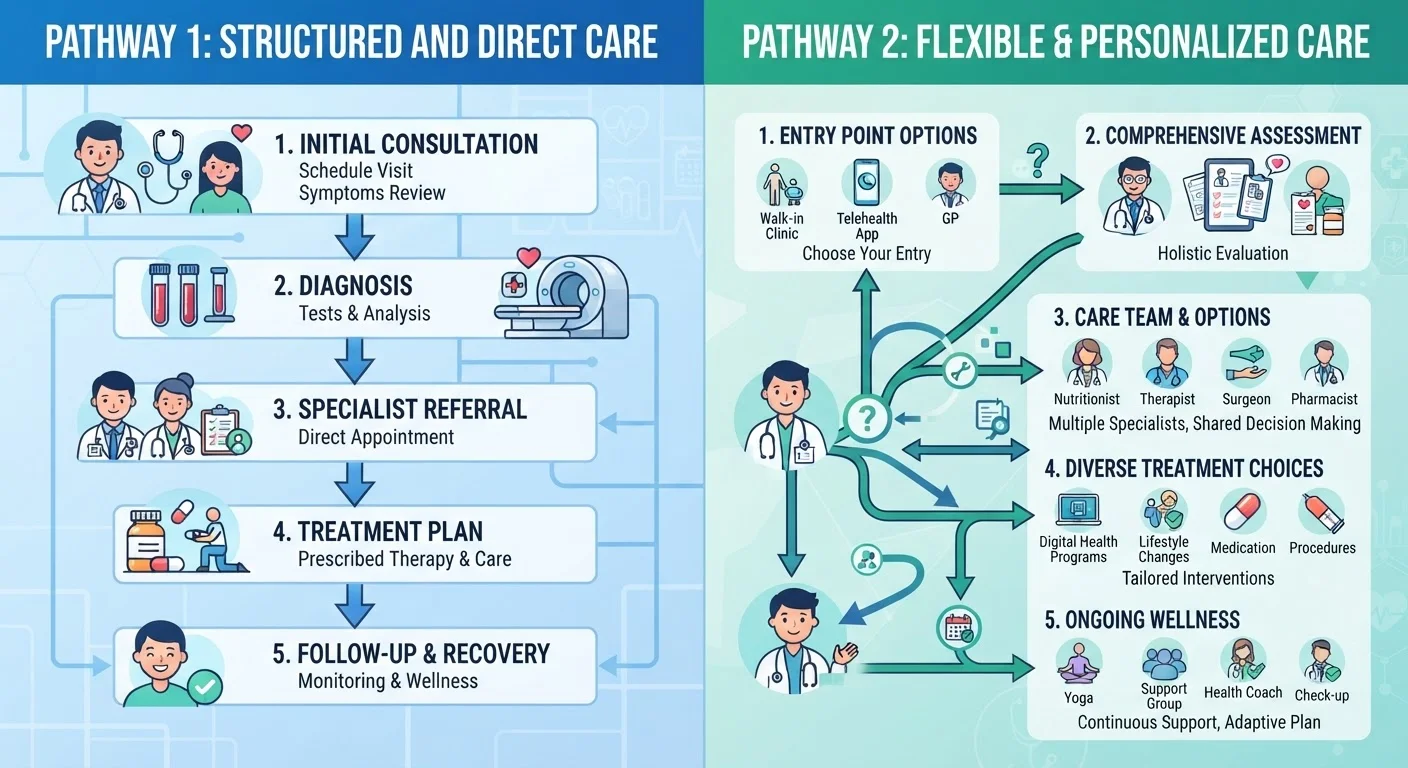
With an HMO, you choose a primary care physician (PCP) from the plan's network. That PCP becomes the entry point for nearly all your care. Want to see a cardiologist or dermatologist? Your PCP issues a referral. This gatekeeper model keeps costs coordinated, but it adds a step between you and specialized care.
A PPO removes that step entirely. You can book a specialist appointment on your own — no referral needed — and you can visit any provider in the plan's preferred network. Going out of network is also allowed, though you'll pay a higher share of those costs.
Neither approach is inherently flawed. The HMO model was designed around continuous, coordinated care. The PPO model was built for flexibility. Which one fits your life depends on how you actually use healthcare.
| Criterion | HMO | PPO |
|---|---|---|
| Monthly premium | Generally lower | Generally higher |
| Referrals required | Yes, from your PCP | No |
| Out-of-network coverage | Typically not covered | Partial coverage available |
| Primary care physician required | Yes | No |
| Network size | Narrower, regional | Broader, often national |
| Cost predictability | High (in-network) | Moderate (varies by provider) |
| Specialist access | Through referral only | Direct, self-referred |
The Real Cost Differences to Know
Premium comparisons between HMOs and PPOs often favor the HMO — sometimes significantly. But premiums are only part of the picture.
HMOs tend to have lower deductibles and more predictable copays, partly because the plan controls utilization through its network and referral system. When you stay in-network and follow the referral process, your costs are generally capped and predictable.
PPOs charge more each month, and out-of-pocket costs for out-of-network care can add up quickly. Still, that out-of-network coverage has real value: if you need care while traveling, or if the specialist you need doesn't participate in any local HMO network, a PPO absorbs some of that cost rather than leaving you fully exposed.
~47%
U.S. workers enrolled in PPO plans
According to KFF's annual Employer Health Benefits Survey, PPOs remain the most common plan type offered by employers.
~25%
U.S. workers enrolled in HMO plans
KFF employer survey data shows HMOs hold a substantial share of enrollment, particularly in markets with established regional health systems.
If your budget is the primary concern, it's worth looking beyond the premium. Consider your expected number of specialist visits, any prescriptions you take regularly, and whether the HMO's network includes the providers you already see. Our article on HDHPs and HSAs covers another cost-sharing structure worth comparing if you're weighing all your options.
Which Plan Structure Fits Your Situation
Most people don't choose between an HMO and a PPO in the abstract — they're evaluating real options on an employer benefits menu or a marketplace exchange. A few questions can help narrow it down.
- Do you have established relationships with specific doctors or specialists? Check whether they participate in each plan's network before assuming you can keep seeing them.
- How often do you need specialist care? If referrals would be a routine part of your life, a PPO's direct access may save meaningful time and hassle.
- Do you live or work in multiple locations? HMO networks are often regional. If you're frequently outside your plan's service area, out-of-network coverage matters.
- What are your realistic out-of-pocket costs under each plan? Run the math using your expected care frequency, not just the premium.
Networks Change — Verify Before You Enroll
A provider who is in-network today may not be next year. Insurer contracts with hospitals and physicians are renegotiated regularly, and networks can shift between plan years. Before you enroll or re-enroll, use the insurer's online directory to confirm your key providers are still participating. Don't rely solely on the provider's own office staff — they may not have up-to-date information about every plan they nominally accept.
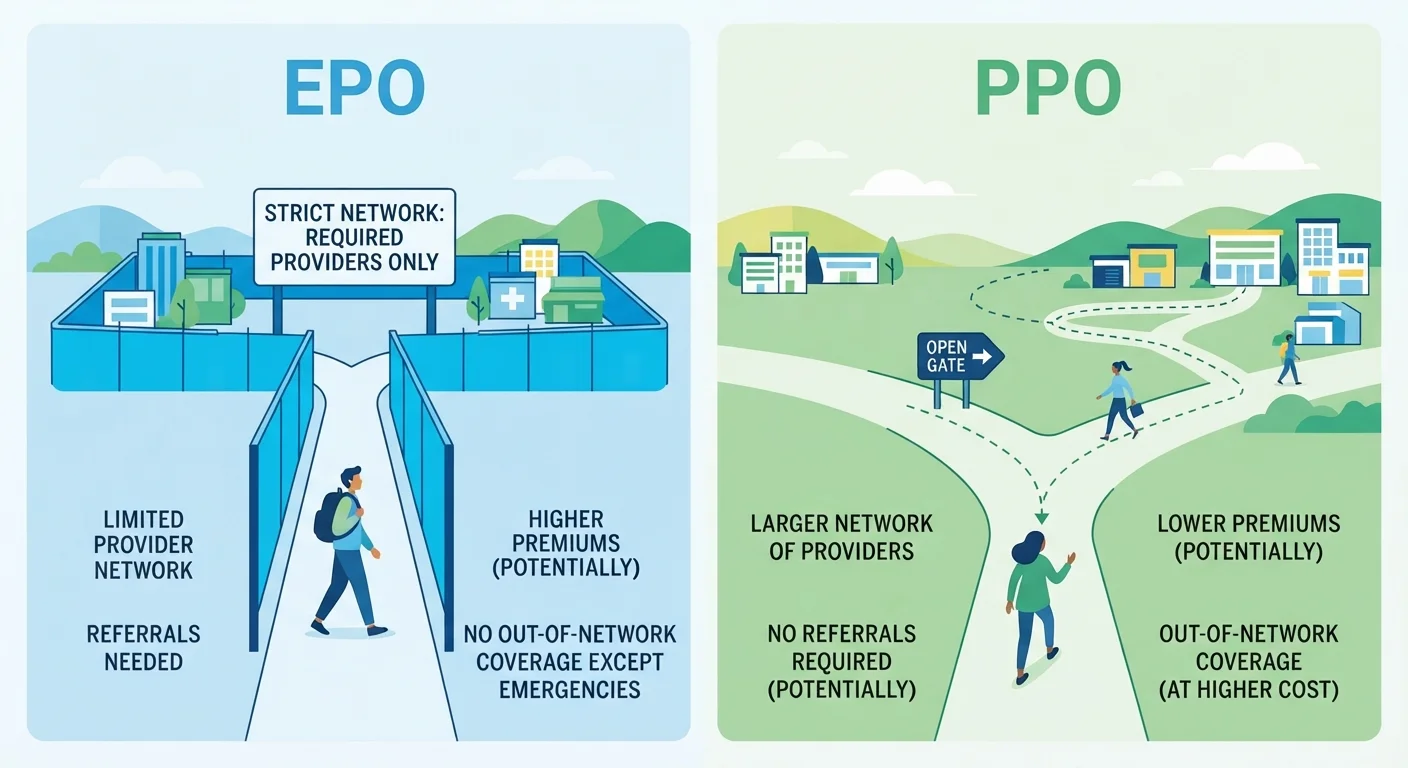
For a broader walkthrough of how to weigh these factors during open enrollment, see our step-by-step open enrollment guide. If you're also considering plans without referral requirements but with tighter networks, EPO vs. PPO covers that comparison in detail.
This article provides general information about health insurance plan types and is not personalized insurance or medical advice. Coverage terms, network composition, and costs vary by insurer, employer, and state. Review your plan documents carefully and consult a licensed insurance agent or benefits adviser for guidance specific to your situation.