
Why Open Enrollment Decisions Are Easy to Get Wrong
Open enrollment typically lasts only a few weeks, and most people spend less than an hour choosing a plan. That's understandable — the terminology is dense, the options feel similar, and the deadline pressure is real. But a hasty choice can lock you into a year of mismatched coverage or higher costs than necessary.
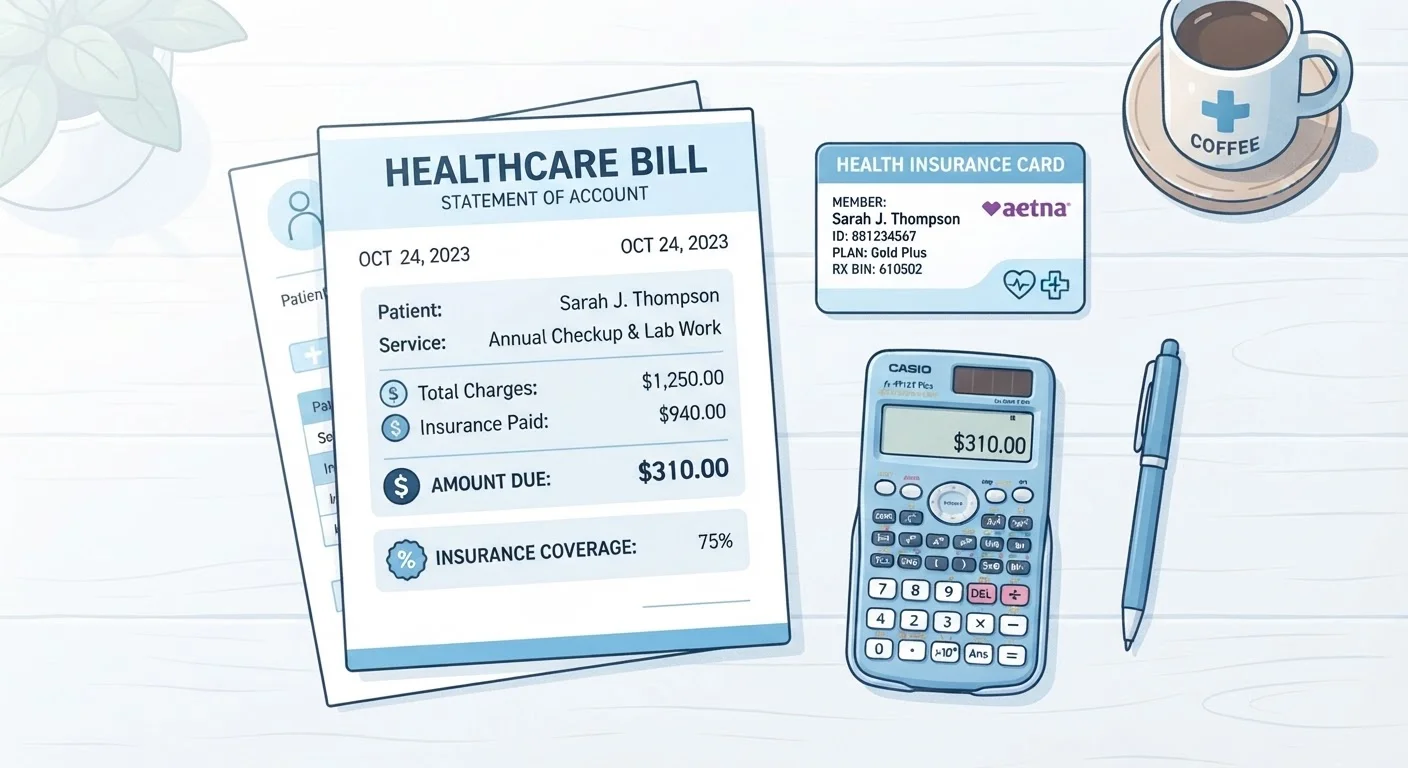
The most common mistake is optimizing purely for the lowest monthly premium. Premiums are visible; deductibles and coinsurance feel abstract until you're sitting in a waiting room. The goal of this walkthrough is to make those hidden costs concrete before you commit.
Not sure which enrollment pathway applies to you — employer, Marketplace, or Medicaid? Start with our overview of enrollment pathways for health insurance before working through these steps.
Missing the Deadline Has Real Consequences
Open enrollment windows are firm. If you miss your employer's deadline or the Marketplace close date, you generally cannot enroll or switch plans until the next open enrollment period — unless you qualify for a Special Enrollment Period triggered by a qualifying life event such as job loss, marriage, or the birth of a child. Mark your enrollment window and act early.
Auto-Renewal May Not Serve You
Many plans auto-renew if you take no action. But insurers can change premiums, formularies, and provider networks from year to year. An auto-renewed plan may no longer include your doctor or cover your medication at the same tier. Always actively review rather than passively roll over.
What You Need Before You Start
What you will need
Last Year's Explanation of Benefits (EOB)
Shows what care you used and what it cost — the baseline for estimating next year's needs.
Current Prescription List
Needed to check each plan's drug formulary and confirm your medications are covered at an acceptable tier.
Provider Directory Access
Use each insurer's online directory to confirm your preferred doctors and facilities are in-network.
Plan Summary of Benefits and Coverage (SBC)
A standardized two-page document that makes cost-sharing terms comparable across plans.
Having these materials at hand before you open any plan comparison tool will cut your decision time significantly and reduce the chance of missing something important.
Step-by-Step: How to Choose Your Plan
Audit Your Healthcare Use From the Past Year
Before comparing plans, establish a baseline. Pull your Explanation of Benefits statements or ask your insurer for a usage summary. Note how many times you visited a primary care doctor, whether you saw any specialists, and what prescriptions you filled. If you had a major procedure, record what it cost after insurance.
This step grounds your plan selection in real data rather than guesswork. Someone who visited the doctor twice and filled one generic prescription has very different needs than someone managing a chronic condition with monthly specialist visits.
Understand the Five Cost Terms That Drive Your Total Spend
Every plan has five key cost levers. You need to understand all five before comparing plans side by side:
- Premium: The fixed monthly amount you pay regardless of whether you use care.
- Deductible: What you pay out-of-pocket before the insurer starts sharing costs (some services like preventive care are often exempt).
- Copay: A flat fee per visit or service (e.g., $30 for a primary care visit).
- Coinsurance: Your percentage share of costs after the deductible is met (e.g., you pay 20%, insurer pays 80%).
- Out-of-pocket maximum: The most you'll pay in a plan year before the insurer covers 100% of covered services.
For a deeper breakdown of these terms, see our plain-English guide to health insurance.
Identify Which Plan Type Fits Your Situation
Plan type determines how much flexibility you have in choosing providers — and at what price:
- HMO (Health Maintenance Organization): Lower premiums, but you must use in-network providers and get referrals to see specialists.
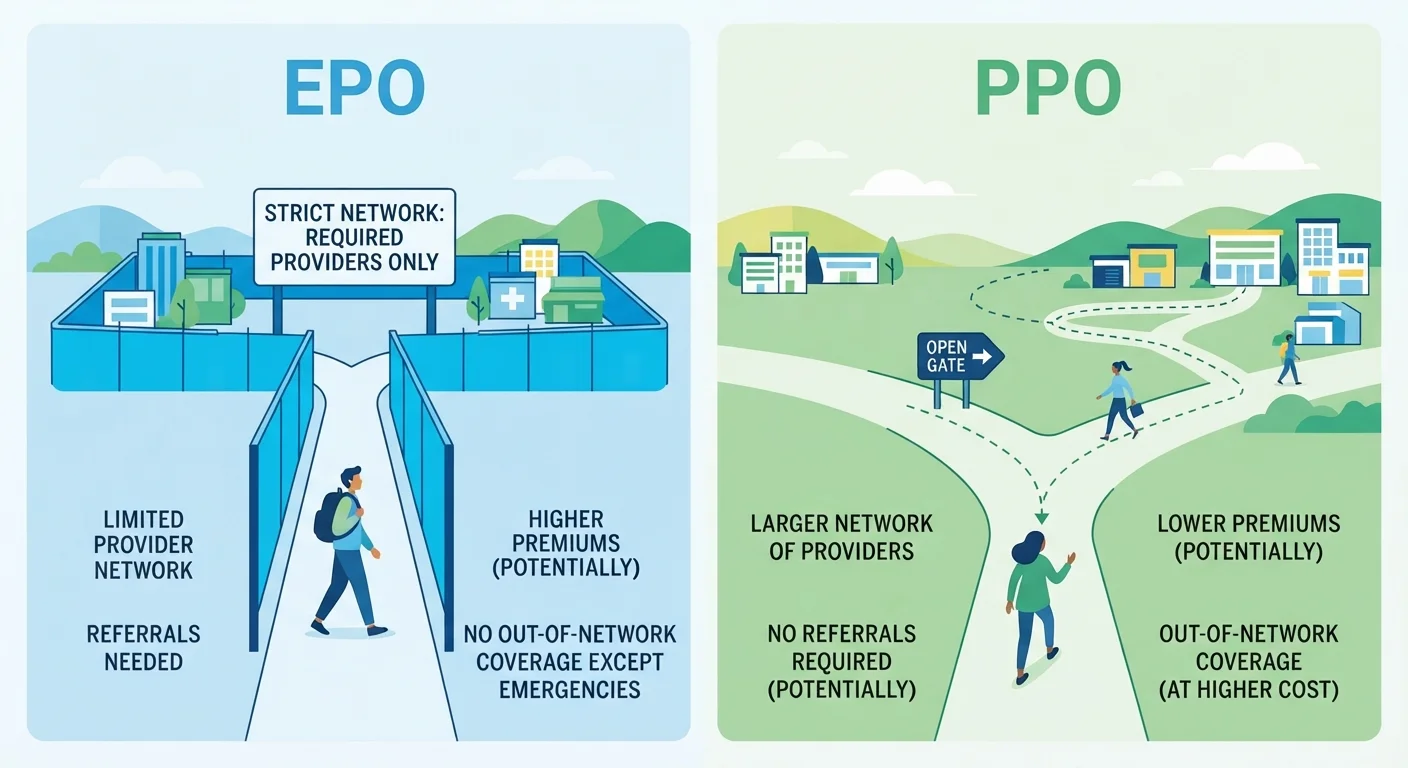
- PPO (Preferred Provider Organization): More flexibility to see out-of-network providers without a referral, but higher premiums.
- EPO (Exclusive Provider Organization): No referrals needed, but strictly in-network — no out-of-network coverage except emergencies.
- HDHP (High-Deductible Health Plan): Lower premiums, higher deductibles, and eligibility to open a Health Savings Account (HSA). Well-suited to generally healthy individuals who can absorb higher upfront costs.
If you're managing ongoing care, our article on picking a plan with a chronic condition covers specialist access and formulary considerations in detail.
Check Your Doctors and Drugs Against Each Plan
Use each insurer's online provider directory to confirm your primary care doctor, any specialists you see regularly, and your preferred hospital or imaging center are listed as in-network. Directories change annually — don't assume last year's network still applies.
Then check the plan's formulary (drug coverage list) for every prescription you take. Formularies are tiered: generics sit at lower cost-sharing tiers, brand-name drugs at higher tiers. A plan with a low premium may place your medication on a high-cost tier, wiping out the premium savings.
Calculate Your Estimated Total Annual Cost Per Plan
For each plan you're considering, run this calculation:
- Multiply the monthly premium by 12.
- Estimate your likely out-of-pocket costs based on your Step 1 audit — factor in copays, coinsurance, and whether you'll hit the deductible.
- Add those two figures together.
Compare the totals across plans. A plan with a $200/month lower premium but a $1,500 higher deductible may cost more for someone who regularly uses care. This math often flips conventional wisdom about which plan is the better deal. For help fitting premiums into your overall household spending, visit our budgeting basics hub.
Consider an HSA if You Qualify
If you choose an HDHP, you may be eligible to contribute to a Health Savings Account (HSA). HSA contributions are tax-deductible, grow tax-free, and can be withdrawn tax-free for qualified medical expenses. For people who don't use much care in a given year, this combination can make an HDHP genuinely more cost-effective than a lower-deductible plan.
Learn how the pairing works in practice: how an HSA pairs with a high-deductible plan.
Make Your Selection and Confirm Enrollment
Once you've completed your comparison, select your plan through your employer's benefits portal or HealthCare.gov (for Marketplace plans). Screenshot or print your confirmation. Verify the effective date and double-check that the plan name and tier match what you intended to select.
After enrollment, set a calendar reminder to revisit your coverage before next year's open enrollment. Our annual health insurance review checklist is a practical starting point for that process.
Run the Math on Total Annual Cost
Add your estimated annual premium to your likely out-of-pocket costs based on last year's healthcare use. Compare that total across plans — not just the monthly premium. This one calculation alone often reveals that a lower-premium plan is actually more expensive for your specific situation.
This article provides general health insurance information for educational purposes only and is not a substitute for personalized advice from a licensed insurance agent or broker. Coverage terms, costs, and eligibility vary by plan, employer, and state. Always read your plan's Summary of Benefits and Coverage and consult a licensed professional before making enrollment decisions.