Why Specialty Insurance Exists
Most Americans are familiar with health, auto, and homeowners insurance. But a growing category of specialty insurance products exists to cover risks those standard policies simply aren't built to handle — from a pet's unexpected surgery to a nonrefundable vacation derailed by illness.
Understanding what each policy actually covers helps you decide whether the protection is worth the premium for your situation. This article walks through five specialty policy types, explaining what each one does, what it typically excludes, and when it might make sense to consider one. For a broader introduction to policies beyond the basics, see our starter's overview of life and specialty insurance.
Check Before You Buy
Before purchasing any specialty policy, review your existing coverage — homeowners, renters, and even certain credit cards may already include versions of pet, travel, or identity theft protection. Duplicate coverage doesn't double your payout; it just costs more. A licensed insurance agent can help you map what you already have against what you actually need.
Five Specialty Insurance Types Worth Knowing
Pet Insurance
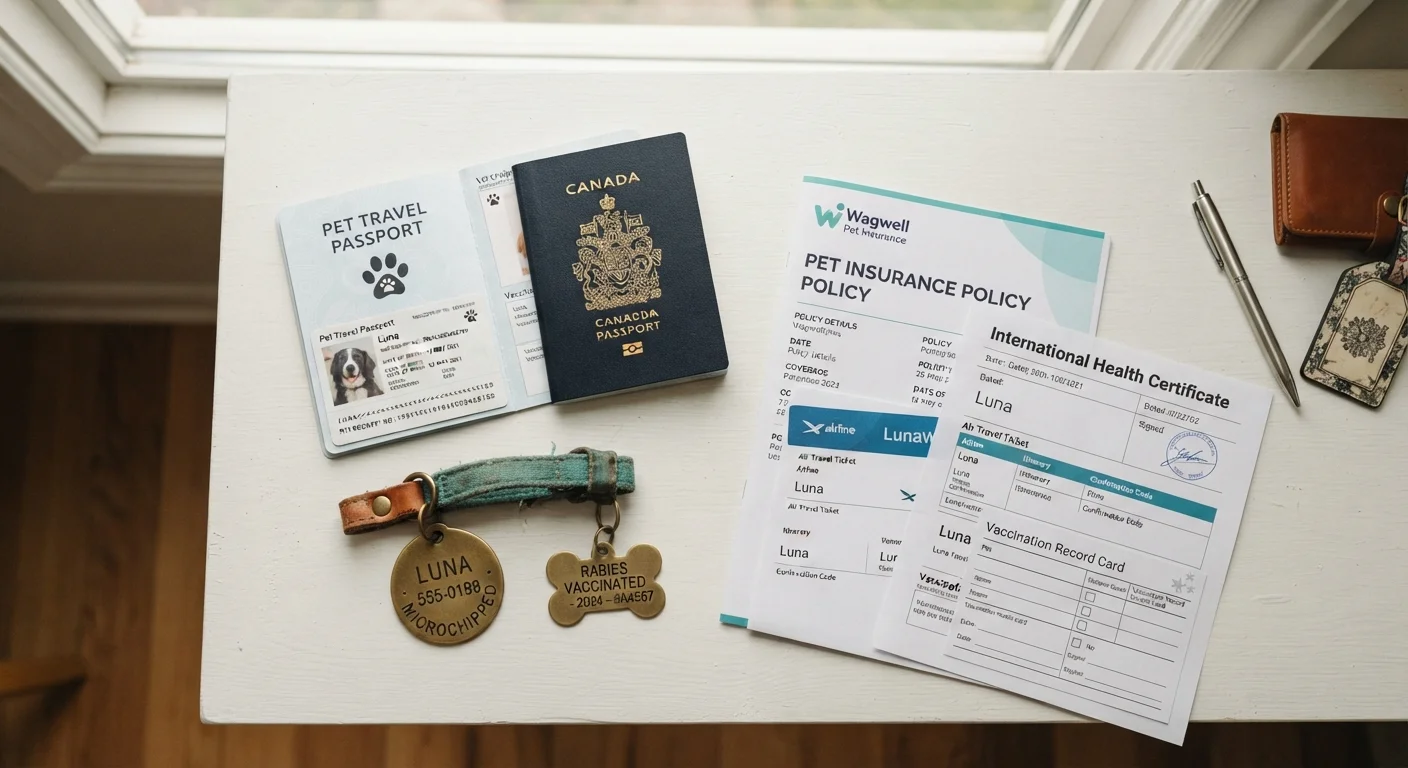
What it covers: Pet insurance typically reimburses a portion of veterinary costs for accidents and illnesses — think broken bones, cancer treatment, or emergency surgery. Some plans also cover wellness visits and preventive care like vaccinations, though these are usually sold as add-ons at higher premiums.
What it commonly excludes: Pre-existing conditions are almost universally excluded. Cosmetic procedures, breeding-related costs, and certain hereditary conditions (especially in purebred animals) are also frequently off the table.
When it's worth considering: If an unexpected $5,000 veterinary bill would create real financial strain, pet insurance can provide a predictable monthly cost in exchange for that protection. Premiums vary based on the animal's age, breed, and your location. For context on preventive pet care costs, see our overview of flea, tick, and heartworm prevention.
Pre-existing conditions are almost universally excluded from pet insurance policies — enroll while your pet is young and healthy.
Travel Insurance
What it covers: Travel insurance typically bundles several protections: trip cancellation or interruption reimbursement, emergency medical coverage abroad, medical evacuation, lost baggage, and travel delay compensation. Each benefit has its own sub-limit and qualifying conditions.
What it commonly excludes: "Cancel for any reason" coverage is a separate, more expensive upgrade — standard trip cancellation only pays out for covered reasons like serious illness, a death in the family, or a named natural disaster. Pre-existing medical conditions, risky activities (skydiving, mountaineering), and travel to government-warned destinations are frequent exclusions.
When it's worth considering: Travel insurance makes the most financial sense when you have significant nonrefundable expenses — flights, tours, resort bookings — or when traveling internationally where your domestic health insurance may not apply.
Standard trip cancellation only pays for covered reasons — 'cancel for any reason' is a separate, pricier upgrade.
Event Cancellation Insurance
What it covers: Designed for weddings, concerts, festivals, and other large planned events, event cancellation insurance reimburses deposits and nonrefundable vendor payments when an event must be postponed or canceled due to covered causes — severe weather, venue closure, sudden illness of a key participant, or vendor bankruptcy.
What it commonly excludes: Cold feet, budget changes, or simply changing your mind are not covered. Neither are losses from events canceled due to government-declared pandemics in many policies, depending on when the policy was purchased and the specific terms.
When it's worth considering: If you're planning an event with significant upfront deposits and limited vendor refund policies, event cancellation coverage can protect against scenarios genuinely outside your control.
Event cancellation insurance protects nonrefundable vendor deposits when cancellation stems from causes outside your control.
Identity Theft Insurance
What it covers: Identity theft insurance generally covers the out-of-pocket costs of recovering from identity theft — legal fees, lost wages from time taken off work to handle the dispute, notary and document costs, and sometimes credit monitoring services. Some policies assign a dedicated case manager to guide you through the recovery process.
What it commonly excludes: This type of policy does not reimburse money stolen from your bank account or fraudulent charges on your credit cards — those losses are typically addressed through your financial institution's fraud protections or existing consumer protection laws. The policy covers recovery costs, not stolen funds.
When it's worth considering: Identity theft insurance is relatively low-cost and may already be included in your homeowners or renters policy as a rider. Check your existing coverage before purchasing a standalone policy.
Identity theft insurance covers recovery costs — not the stolen money itself, which falls under bank fraud protections.
Equipment and Valuables Insurance
What it covers: Also called a floater or scheduled personal property endorsement, this coverage protects high-value or specialized items that standard homeowners and renters policies either exclude or cap at low sub-limits. Common examples include musical instruments, camera gear, jewelry, fine art, sports equipment, and business equipment used at home.
What it commonly excludes: Intentional damage, mechanical breakdown (as opposed to accidental damage), and normal wear and tear are standard exclusions. Some policies require professional appraisals to establish item value before a loss occurs.
When it's worth considering: If you own items whose value exceeds your homeowners policy's sub-limits — many policies cap jewelry at $1,500 and electronics at $2,500, for example — a floater fills that gap. Compare this approach to understanding coverage gaps in auto policies — the logic of identifying sub-limits applies across policy types.
A floater policy fills the gap when your homeowners plan's sub-limits fall short of a valuable item's actual worth.
Coverage Terms Vary by State and Provider
Specialty insurance products are regulated at the state level, which means available coverage options, exclusions, and pricing can differ meaningfully depending on where you live. What's included in a standard plan in one state may be an optional rider in another. Always request a sample policy document and review the declarations page and exclusions section before committing. Our guide to reading insurance policy fine print can help you know what to look for.
Making a Thoughtful Decision
No specialty policy is universally necessary — value depends entirely on your personal circumstances, risk tolerance, and existing coverage. Before adding any policy, review what your current plans already cover. Some travel protections, for instance, are built into certain credit cards. Some homeowners policies extend limited coverage to personal property off-premises.
Understanding the fine print is non-negotiable. Our guide to key insurance policy terms can help you decode the language before you sign. If you're evaluating broader liability gaps, it's also worth learning how umbrella insurance works alongside these specialty options.
This article is for general informational and educational purposes only and does not constitute personalized insurance, financial, or legal advice. Coverage terms, exclusions, premiums, and eligibility vary by provider and by state. Always read your actual policy documents and consult a licensed insurance agent or adviser for guidance specific to your situation.