
Why the Language in Your Policy Actually Matters
Insurance policies are legal contracts. Every word in them has weight — and the ones you overlook are often the ones that determine whether a claim gets paid. Terms like exclusion, subrogation, and riders rarely come up in conversation, but they appear in nearly every policy and directly affect your coverage.
This guide explains the terms you're most likely to encounter across health, auto, home, and life insurance. It's general educational information, not personalized advice — your actual coverage will depend on your specific policy and insurer. Always read your policy documents carefully and consult a licensed insurance agent with questions about your situation.
For a deeper look at terms specific to one coverage type, see the homeowners insurance term guide or the life insurance glossary.
| Number of key cost terms | 4 (premium, deductible, copay/coinsurance, out-of-pocket max) |
| Where coverage scope is defined | Declarations page + exclusions section |
| What modifies a base policy | Endorsements (also called riders) |
| Who assesses a claim | A claims adjuster employed by or contracted to the insurer |
| Best first document to review | Your declarations (dec) page |
Cost Terms: What You Pay and When
Most confusion about insurance costs comes from mixing up four terms that describe very different obligations.
- Premium — The amount you pay to keep the policy active, typically monthly or annually. Paying your premium does not mean your insurer pays every claim; it just keeps coverage in force.
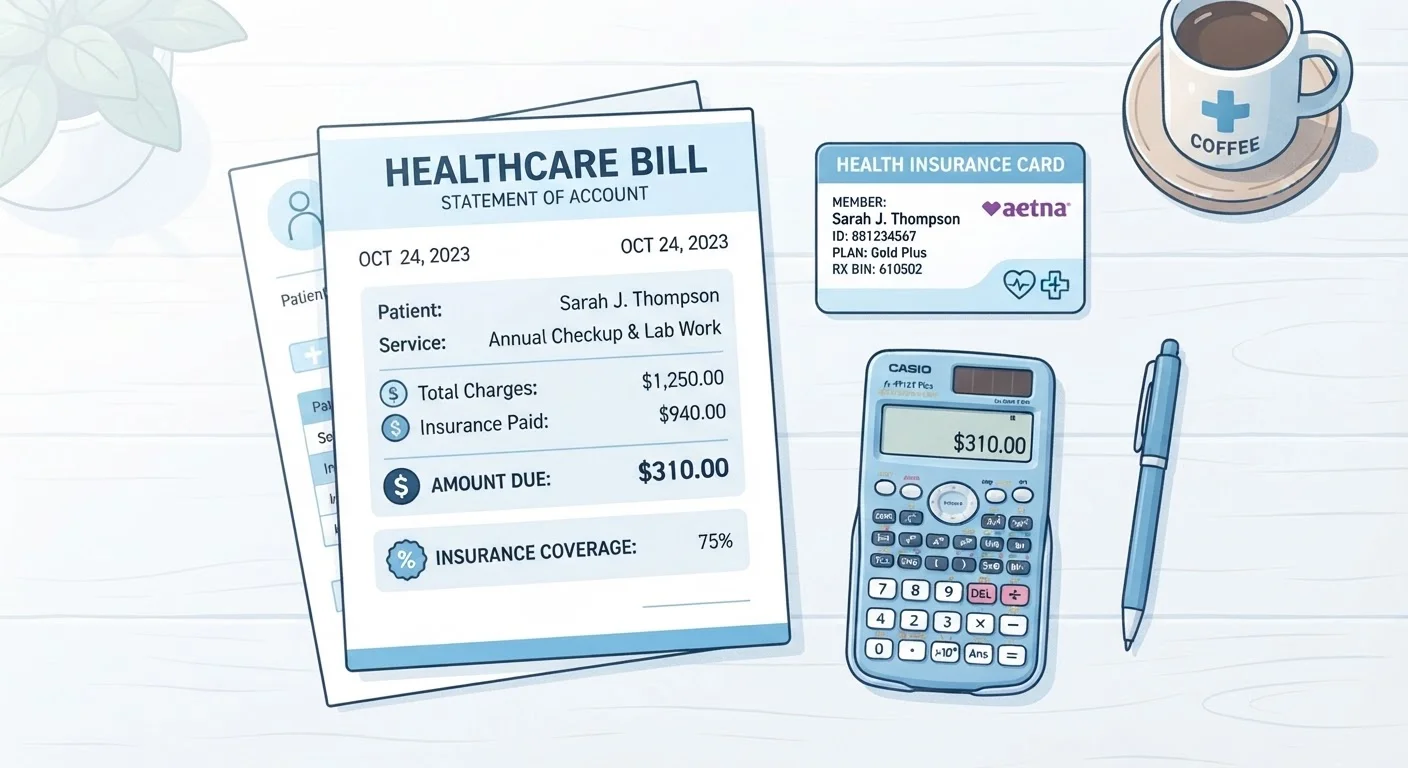
- Deductible — The amount you pay out of pocket before the insurer starts covering a loss. A $1,000 deductible on an auto policy means you absorb the first $1,000 of any covered repair.
- Copay / Coinsurance — Cost-sharing mechanisms common in health insurance. A copay is a flat dollar amount per visit or service; coinsurance is a percentage you pay after meeting your deductible. These are not interchangeable — see how copay and coinsurance differ.
- Out-of-Pocket Maximum — A cap on what you'll pay in covered costs during a policy period. Once reached, the insurer covers 100% of covered services for the remainder of that period.
40%+
Americans who have difficulty understanding their insurance documents
Industry surveys consistently find that a large share of policyholders report confusion about key policy terms and coverage limits.
1 in 3
Homeowners unaware their policy excludes flood damage
Consumer research has repeatedly found that many homeowners mistakenly assume standard policies cover flood losses, which are typically excluded.
Coverage Terms: What the Policy Does and Doesn't Cover
Understanding the scope of your coverage requires knowing a handful of structural terms.
Premium
The amount you pay — usually monthly or annually — to keep an insurance policy active. Paying your premium maintains coverage but does not guarantee every claim will be paid.
Deductible
The dollar amount you must pay out of pocket toward a covered loss before the insurer begins paying. Higher deductibles generally correspond to lower premiums.
Exclusion
A specific condition, event, or type of property that the policy does not cover. Exclusions are typically listed in their own section of the policy document and should be read carefully.
Endorsement / Rider
A written modification that adds to, removes from, or changes the terms of a base policy. Once attached, an endorsement is a legally binding part of the contract.
Declarations Page
A summary page at the front of a policy that lists the insured, coverage types, limits, deductibles, and the policy period. It's the quickest reference for your basic coverage details.
Subrogation
The legal right of an insurer to step into the policyholder's shoes and recover costs from a third party whose negligence caused the insured loss.
Out-of-Pocket Maximum
The most you will pay in covered costs during one policy period. After reaching this limit, the insurer covers 100% of covered expenses for the rest of that period.
Liability Coverage
Insurance that pays on your behalf when you are legally responsible for bodily injury or property damage to another person, up to your stated policy limit.
Exclusions are among the most consequential sections of any policy. These are the specific situations, events, or property types that the insurer will not cover. Flood damage is excluded from most standard homeowners policies, for example — a fact many homeowners discover only after a loss. Read the exclusions section before assuming something is covered.
An endorsement (also called a rider) modifies the base policy, either adding coverage for something excluded by default or restricting it. A scheduled personal property endorsement, for instance, might add coverage for jewelry beyond the standard limit. Endorsements are legally part of your policy once attached.
The declarations page (often called the "dec page") is your policy's summary: who is covered, what property or life is insured, the coverage limits, deductibles, and the policy period. It's the first place to look when you need a quick answer about your coverage.
Claims and Liability Terms Worth Knowing
When something goes wrong and you file a claim, a second set of terms becomes relevant.
- Claim — A formal request to your insurer for payment or service under the terms of your policy.
- Adjuster — The professional (employed by or contracted to the insurer) who investigates a claim, assesses the damage or loss, and determines the payout amount.
- Subrogation — The insurer's legal right to pursue a third party that caused an insurance loss. If another driver causes an accident and your insurer pays your claim, the insurer may then seek reimbursement from the at-fault driver's insurer. This generally happens in the background, but it can affect your claim.
- Liability coverage — Protection against claims made by others for bodily injury or property damage you're legally responsible for. It pays on your behalf, up to your policy limit.
- Beneficiary — In life insurance, the person or entity designated to receive the death benefit. Keeping beneficiary designations current is important; an outdated form can override a will.
For a broader reference covering these and additional terms in one place, the insurance terms glossary is a useful companion. And if you're new to health coverage specifically, the plain-English health insurance guide walks through enrollment concepts step by step.
This article is for general informational and educational purposes only and does not constitute personalized insurance, financial, or legal advice. Coverage terms, exclusions, and regulations vary by provider, policy, and state. Read your actual policy documents and consult a licensed insurance agent or adviser for guidance specific to your situation.