
Why Insurance Has Its Own Language
Every industry has jargon, but insurance terminology can feel deliberately opaque — especially when you're trying to figure out whether something is covered after something goes wrong. The terms in your auto or home policy have precise legal meanings that directly affect what your insurer pays and what you owe. This glossary covers the words that come up most often in real policies, written in plain English so you can reference them whenever you need a quick definition.
For terms specific to homeowners coverage — things like dwelling coverage and loss of use — see our homeowners insurance term reference. If you're also navigating health insurance language, our health insurance glossary covers that vocabulary separately.
| Most common policy document | Declarations page (Lists your coverage types, limits, and deductibles at a glance) |
| Typical deductible range (homeowners) | $500–$2,500 (Varies widely by insurer, state, and policy type) |
| Key coverage distinction | ACV vs. Replacement Cost (Affects how much you receive for damaged property) |
| Policy modification term | Endorsement (property) / Rider (life & health) (Both refer to written changes to a base policy) |
Core Policy Terms Defined
These are the terms you'll encounter across virtually every type of insurance policy.
Premium
The amount you pay for insurance coverage — typically monthly, semi-annually, or annually. Paying your premium keeps your policy active; missing payments can lead to a lapse in coverage.
Deductible
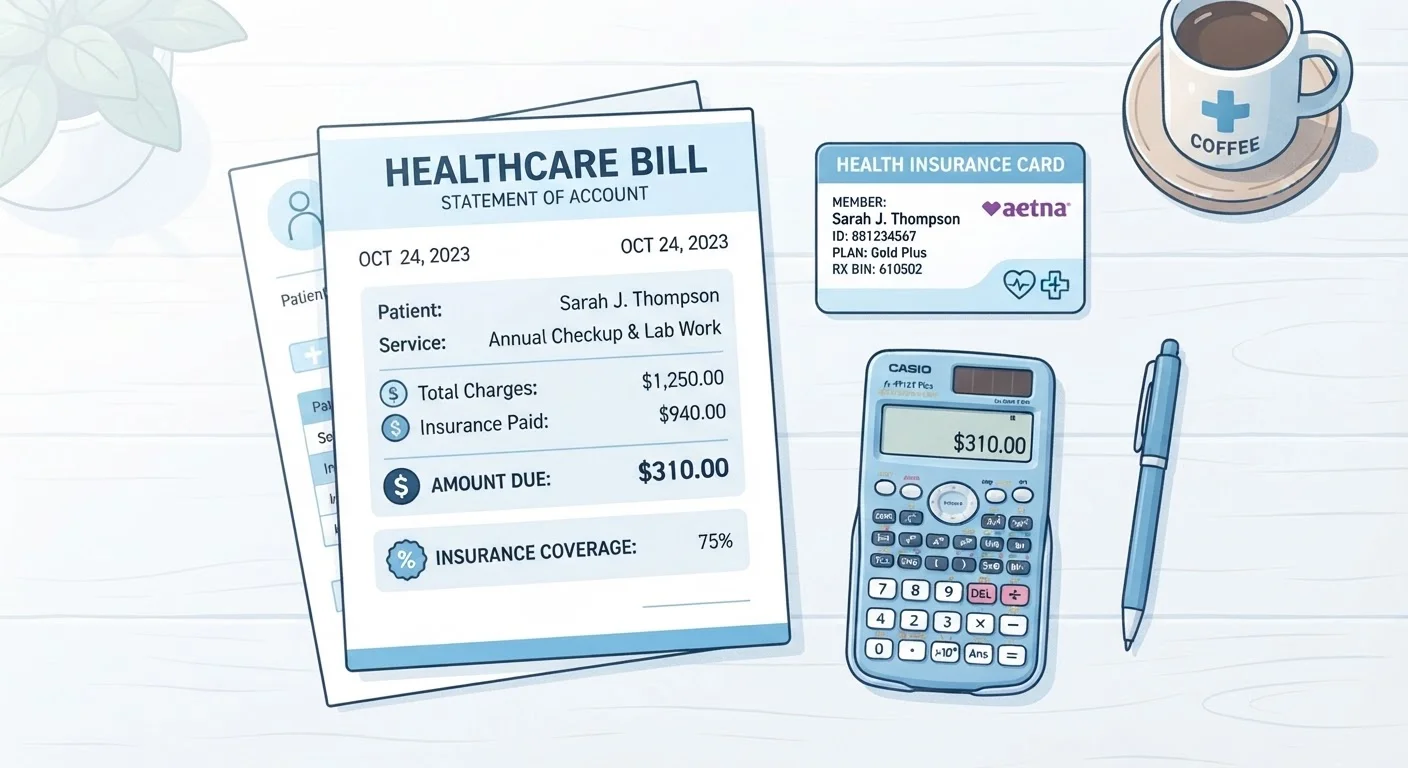
The amount you pay out of pocket before your insurer starts covering a claim. For example, a $1,000 deductible means you absorb the first $1,000 of a covered loss.
Policy Limit
The maximum dollar amount your insurer will pay for a covered loss. Claims that exceed your policy limit leave you responsible for the remaining balance.
Exclusion
A specific condition, event, or type of damage that your policy does not cover. Common examples include flood damage on standard homeowners policies and intentional acts.
Endorsement
A written modification to your base policy that adds, removes, or changes coverage. Endorsements are legally part of your policy and override conflicting language in the base document.
Declarations Page
The summary page at the front of your policy that lists your name, coverage types, limits, deductibles, and premium. It's the first place to check when reviewing what you have.
Subrogation
The legal right that allows your insurer to recover money from a third party responsible for your loss after paying your claim. It helps keep premiums lower by recovering costs.
Actual Cash Value (ACV)
The value of property at the time of a loss, after accounting for depreciation. ACV payouts are typically lower than what it costs to buy a new replacement item.
Replacement Cost Value (RCV)
The cost to replace damaged property with a new item of similar kind and quality, without deducting for depreciation. RCV coverage usually carries a higher premium than ACV.
Liability Coverage
The portion of your policy that pays for bodily injury or property damage you cause to others. It typically also covers your legal defense costs if you are sued.
Rider
An optional add-on to an insurance policy that modifies or expands coverage. The term is used most often in life and health insurance; in property insurance, the equivalent is usually called an endorsement.
Claim
A formal request you submit to your insurer asking for payment after a covered loss. The insurer reviews the claim against your policy terms before approving or denying it.
Understanding how these terms interact matters. Your deductible and premium typically move in opposite directions: choosing a higher deductible usually lowers your premium, and vice versa. Neither choice is universally better — it depends on your financial situation and how often you're likely to file a claim. For a broader look at terms that cross multiple insurance types, see Reading the Fine Print.
Terms That Often Surprise Policyholders
Some insurance terms are particularly easy to misunderstand — either because they sound like something else or because their real-world impact isn't obvious until you file a claim.
1 in 20
Homeowners filing a claim in a given year
According to the Insurance Information Institute, roughly 5–6% of insured homeowners file a claim annually.
~40%
Policyholders who don't fully read their policy
Industry surveys consistently find a large share of consumers are uncertain about their own coverage details before a claim occurs.
Subrogation is one that catches many policyholders off guard. It means your insurer has the right to pursue a third party that caused your loss after paying your claim. In practice, you generally don't have to do anything — your insurer handles it — but you may be asked not to sign away your rights against the responsible party before they recover their costs.
Endorsements and riders are another source of confusion. Both words describe additions or modifications to a base policy, and they're often used interchangeably. In auto and home insurance, the word endorsement is more common; in life and health insurance, you'll more often see rider. Our life insurance glossary explains how riders work in that context. Either way, these add-ons change what your policy covers — sometimes expanding it, sometimes limiting it — so read them carefully.
Actual Cash Value (ACV) versus Replacement Cost Value (RCV) is one of the most consequential distinctions in property insurance. ACV pays what your damaged property was worth at the time of loss, factoring in depreciation. RCV pays what it would cost to replace it with a new equivalent item. A ten-year-old roof insured at ACV may yield a much smaller payout than one insured at RCV. Check your policy declarations page to confirm which applies.
This article is for general informational purposes only and does not constitute insurance, legal, or financial advice. Coverage terms, exclusions, and definitions vary by insurer and by state. Always read your actual policy documents and consult a licensed insurance agent or adviser for guidance specific to your situation.