
Why Health Insurance Terms Matter
When you get an Explanation of Benefits in the mail, need a prescription filled, or face a surprise medical bill, the words on that page carry real financial weight. Misreading a single term — say, confusing your deductible with your out-of-pocket maximum — can lead to costly surprises. This glossary is designed as a reference you can return to anytime those terms trip you up.
For a broader foundation on how American health coverage is structured, see our plain-language health insurance primer. And if you've ever confused copay with coinsurance, this breakdown of similar-sounding terms is worth a read.
This article provides general educational information about health insurance terminology. It is not personalized insurance, financial, or legal advice. Coverage terms, definitions, and rules vary by plan and state. Always review your actual policy documents and consult a licensed insurance professional for guidance specific to your situation.
| Plan year reset | Deductibles and out-of-pocket maximums typically reset each January 1 for calendar-year plans |
| ACA preventive care rule | Most ACA-compliant plans must cover a set of preventive services at no cost-sharing when in-network (Affordable Care Act, Section 2713) |
| Out-of-pocket max (2024) | Federal law caps individual out-of-pocket maximums for ACA marketplace plans each year (HealthCare.gov, 2024 plan year) |
| EOB vs. bill | An Explanation of Benefits is not a bill — wait for the provider invoice before paying |
| Formulary tiers | Most plans use 3–5 drug tiers; generics are usually on the lowest-cost tier |
The Core Glossary: 30+ Terms Defined
The definitions below cover the terms you're most likely to encounter when enrolling in a plan, visiting a provider, or reviewing a bill. Terms vary by insurer and state — always verify specifics in your own plan documents.
Premium
The fixed amount you pay — usually monthly — to maintain your health insurance coverage, regardless of whether you use medical services that month. Missing premium payments can cause your coverage to lapse.
Deductible
The amount you must pay out of pocket for covered services before your insurer begins sharing costs. For example, with a $1,500 deductible, you pay the first $1,500 of covered medical bills each plan year.
Copay
A flat, fixed fee you pay for a specific covered service, such as $30 for a primary care visit. Copays often apply even before your deductible is met, depending on your plan design.
Coinsurance
Your share of costs after your deductible is met, expressed as a percentage. With 20% coinsurance, you pay 20% of the allowed amount for a service and your insurer pays the remaining 80%.
Out-of-Pocket Maximum
The most you'll pay for covered services in a plan year. Once you reach this cap — which includes deductibles, copays, and coinsurance — your plan covers 100% of covered costs for the rest of the year.
Explanation of Benefits (EOB)
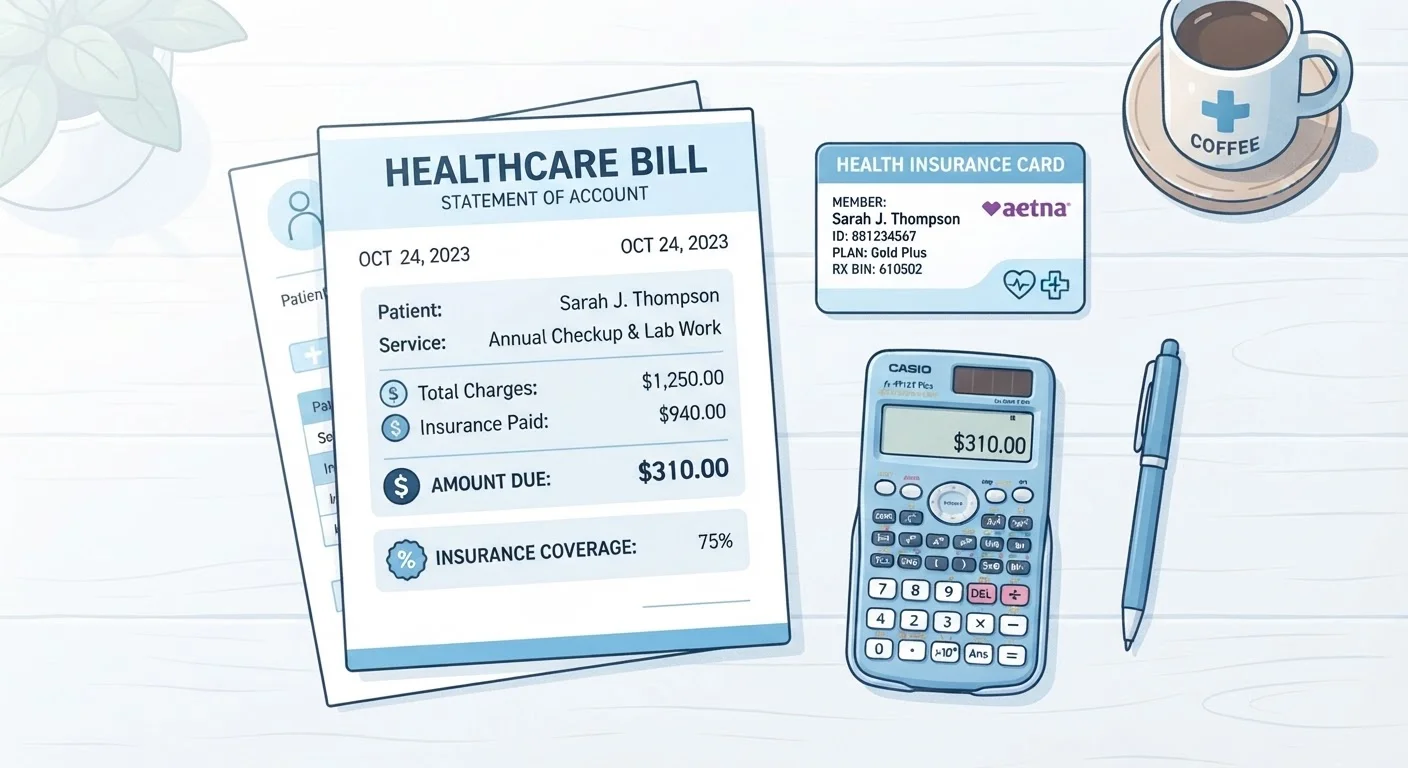
A statement from your insurer — not a bill — that details how a claim was processed. It shows what was billed, what the insurer allowed, what it paid, and what you may owe the provider.
In-Network Provider
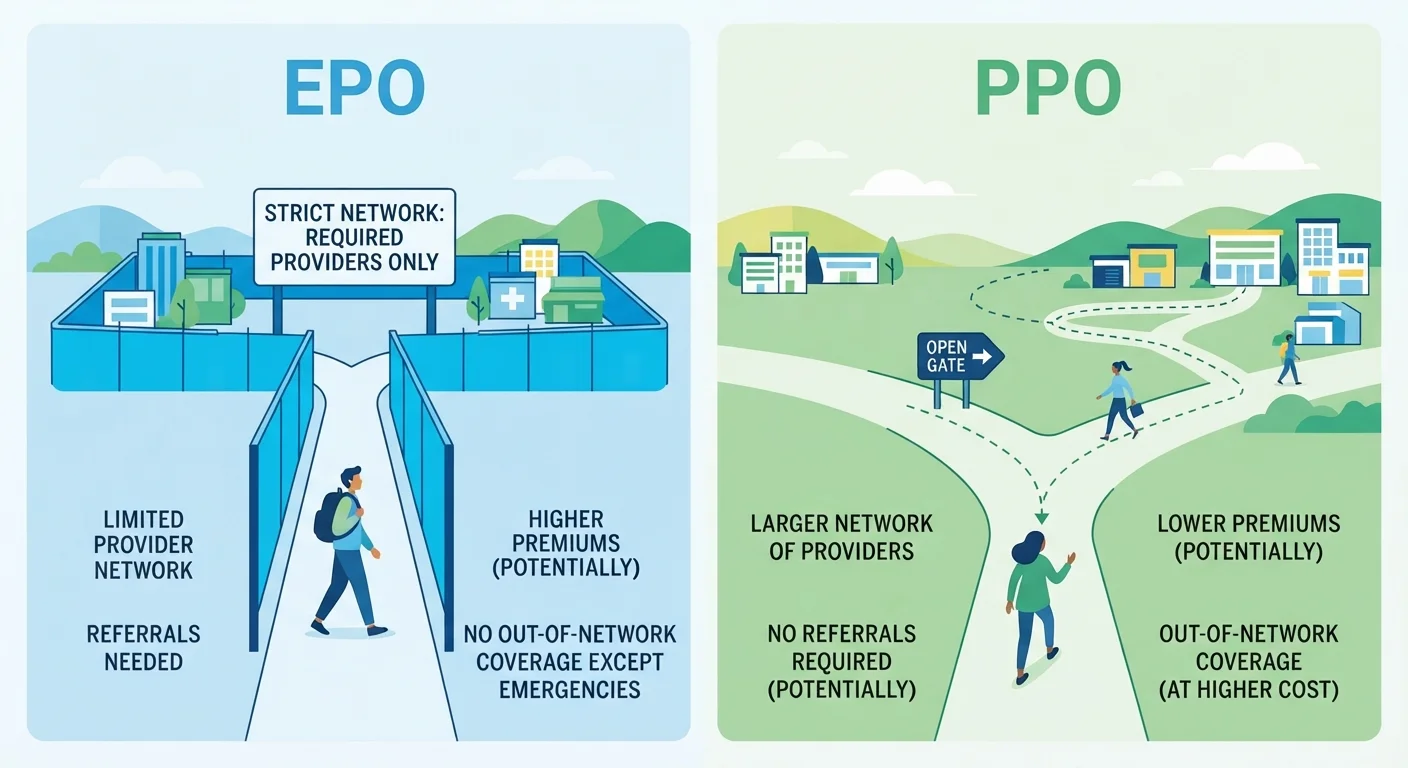
A doctor, hospital, or other healthcare provider that has a contract with your insurance plan. Using in-network providers typically means lower out-of-pocket costs than using out-of-network providers.
Formulary
Your health plan's official list of covered prescription drugs, organized into cost tiers. A drug not on the formulary may not be covered, or may require prior authorization for coverage to apply.
Prior Authorization
A requirement that your doctor obtain approval from your insurer before certain services, procedures, or medications are covered. Without it, the insurer may deny the claim or reduce payment.
Allowed Amount
The maximum dollar amount your insurer will pay for a covered service, also called the 'negotiated rate.' If a provider charges more than this amount, you may be responsible for the difference when out-of-network.
Preventive Care
Routine services — such as annual wellness exams, recommended screenings, and immunizations — that many plans cover at no cost to you when you use an in-network provider, as required by federal law under the ACA.
Open Enrollment
The annual window during which you can enroll in or change your health insurance plan. Outside of this period, you generally need a qualifying life event — such as marriage or job loss — to make changes.
For terms you might encounter in non-health policies — such as riders, endorsements, or subrogation — see our general insurance glossary. For a deeper dive into cost-sharing mechanics, this guide on deductibles, copays, and coinsurance explains exactly what you owe at each stage of care.
Putting the Terms Together
These terms don't exist in isolation — they interact. Your premium keeps the plan active. Your deductible is what you pay first before most coverage kicks in. After that, copays and coinsurance apply until you hit your out-of-pocket maximum, at which point your insurer covers 100% of covered services for the rest of the plan year.
~1 in 3
Adults confused by health insurance terms
Research consistently finds that a significant share of insured Americans struggle to correctly define basic cost-sharing terms like deductible and coinsurance.
100%
Covered after out-of-pocket max is reached
Once you hit your plan's out-of-pocket maximum for the year, your insurer covers 100% of covered in-network services for the remainder of that plan year.
Networks, formularies, and prior authorization all shape which services are covered and at what cost. Staying in-network and verifying drug formulary status before filling a prescription are two of the most practical ways to avoid unexpected costs.
If you're enrolling for the first time, our first-time enrollee guide walks through every step. For a comprehensive look at the full system — including appeals and subsidies — see The Complete Picture of How American Health Insurance Works.
Your EOB Is Not Your Bill
Many people pay an Explanation of Benefits thinking it's an invoice — it isn't. An EOB is a summary of how your insurer processed a claim. Wait until you receive an actual bill from the provider before sending payment. If the amounts don't match your EOB, contact both your insurer and the provider's billing department to clarify.