The Core Difference: Who Owns the Building?
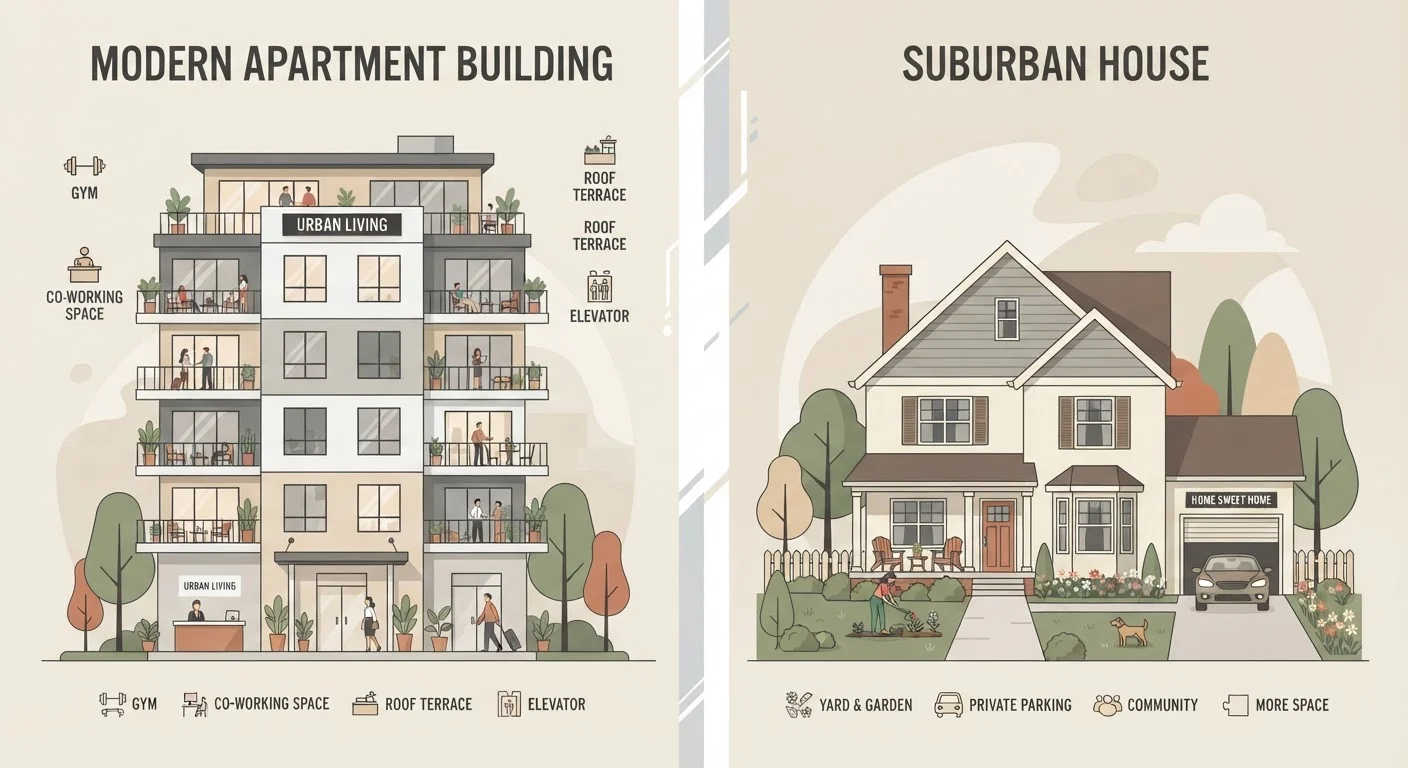
The single biggest factor separating renters insurance from homeowners insurance is ownership of the physical structure. When you own your home, the building is your financial responsibility. If a fire damages the roof or a burst pipe ruins interior walls, those repair costs fall on you. Homeowners insurance exists largely to cover that exposure.
When you rent, the landlord owns the building and carries their own property insurance to protect it. That policy, however, is written to protect their investment — not your belongings inside it. A tenant whose apartment floods due to a neighbor's plumbing mishap could lose a laptop, furniture, and clothing with no recourse from the landlord's insurer. Renters insurance closes that gap by covering the tenant's personal property regardless of who caused the damage.
This ownership divide explains why the two policies are structured so differently. For a deeper look at the full scope of each coverage type, see our comparison of what each policy is built to do.
| Criterion | Renters Insurance | Homeowners Insurance |
|---|---|---|
| Covers the building structure | No | Yes (dwelling coverage) |
| Covers personal belongings | Yes | Yes |
| Personal liability coverage | Yes | Yes (typically higher limits) |
| Temporary housing (loss of use) | Yes (additional living expenses) | Yes (loss-of-use coverage) |
| Required by lender | No | Usually yes |
| Typical premium range | Lower | Higher |
| Covers detached structures | No | Yes (Coverage B) |
What Each Policy Actually Covers
Renters insurance typically has three main components: personal property coverage, personal liability coverage, and additional living expenses (ALE). Personal property coverage reimburses you if your belongings are stolen or damaged by a covered event — fire, certain water damage, vandalism, and more. Liability coverage steps in if you accidentally injure someone or damage their property. ALE pays for a hotel or temporary housing if your rental becomes uninhabitable after a covered loss.
What renters insurance does not cover: the apartment walls, floors, or any part of the building structure. Floods and earthquakes are also standard exclusions — separate policies or endorsements are needed for those perils. Our article Renters Insurance: What It Covers and What It Doesn't walks through common exclusions in detail.
Homeowners insurance bundles more coverage into a single policy. Dwelling coverage (Coverage A) pays to repair or rebuild the structure. Other structures coverage (Coverage B) extends protection to detached garages or fences. Personal property coverage (Coverage C) protects belongings inside the home, and liability coverage (Coverage E) handles injury or damage claims. Most policies also include loss-of-use coverage comparable to a renter's ALE benefit.
~55%
U.S. renters with renters insurance
According to the Insurance Information Institute, roughly half of renters in the United States carry renters insurance, leaving a significant share without coverage for their belongings.
~$1,200+
Average annual homeowners insurance premium
The National Association of Insurance Commissioners has reported average homeowners insurance premiums in the United States exceeding $1,200 per year, though costs vary widely by state and property.
Because homeowners are protecting a physical asset often worth hundreds of thousands of dollars, their coverage limits — and their premiums — are typically much higher than those on a renters policy. For a full breakdown of a standard homeowners policy's sections, see our Homeowners Insurance Decoded guide.
Cost, Requirements, and Practical Considerations
Renters insurance is generally among the more affordable types of personal insurance. Premiums vary based on location, the amount of personal property coverage selected, and the deductible chosen. Homeowners insurance costs significantly more because it must account for the replacement value of the home's structure itself — a figure that can easily reach several hundred thousand dollars.
One practical difference: homeowners insurance is usually required. Most mortgage lenders mandate it as a condition of the loan, because the home is collateral for the debt. Renters insurance, by contrast, is typically optional — though some landlords include it as a lease requirement.
Neither Policy Covers Everything
Both renters and homeowners insurance have standard exclusions — flood damage and earthquake damage are not covered under most base policies in the United States. Separate flood insurance (often through the National Flood Insurance Program) and earthquake riders or standalone policies exist to cover those perils. If you live in a high-risk area for either, ask your insurance agent about your options.
Both policy types offer personal liability protection, but homeowners policies often carry higher default limits to reflect the greater financial exposure that comes with owning property. Regardless of which policy type applies to you, reviewing actual policy language — not just the summary page — is the only way to know exactly what is and isn't covered. A licensed insurance agent can help you interpret the terms for your specific situation.
For a side-by-side look at how these policies compare across coverage categories, visit our overview at Auto & Home Insurance.
This article is for general informational purposes only and does not constitute personalized insurance, financial, or legal advice. Coverage terms, exclusions, and premiums vary by provider and state. Always read your actual policy documents and consult a licensed insurance agent or adviser for guidance specific to your situation.