Why the Distinction Matters for Your Budget
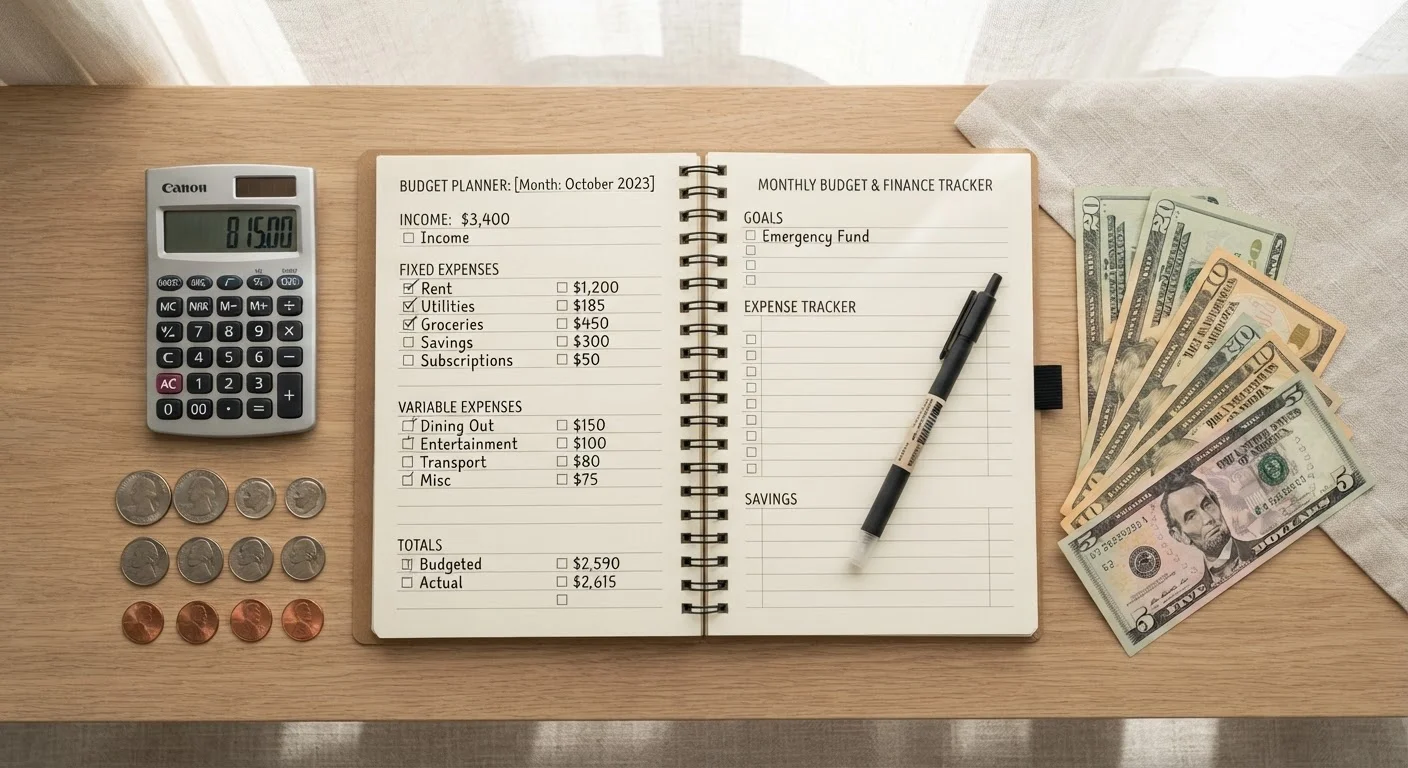
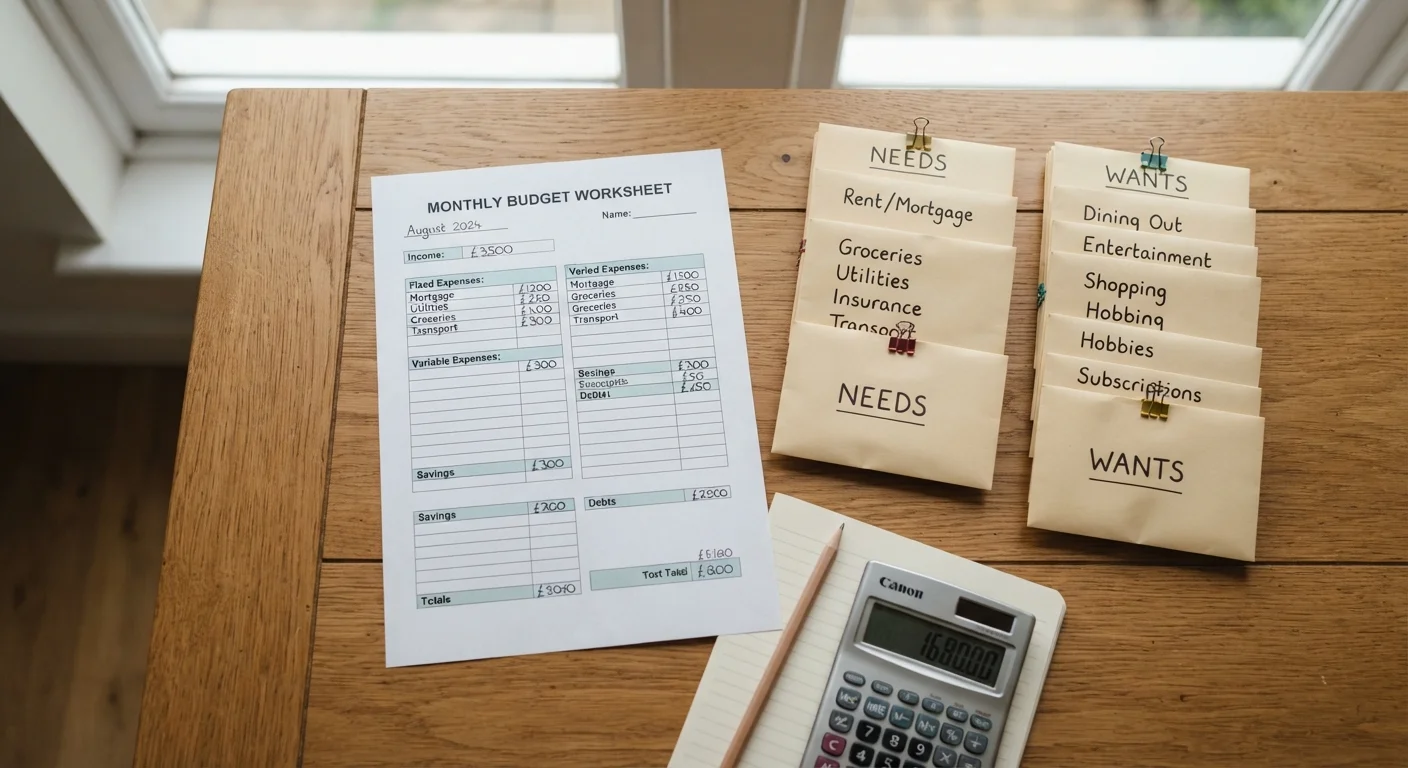
Every budget rests on a simple premise: spend less than you earn. But making that work in practice requires understanding where your money goes — and whether each dollar is truly necessary. Sorting expenses into needs and wants gives you a decision-making framework, not just a list of numbers.
When you classify spending honestly, trade-offs become clearer. If rent, groceries, and utilities consume most of your income, you have less room for discretionary spending — and that's useful information, not a moral judgment. The goal isn't to shame yourself out of any comfort; it's to see your financial picture accurately so you can make conscious choices.
For a broader look at how expenses fit together, our household budget categories reference guide walks through common spending groups in plain language.
~34%
Average share of income spent on housing
According to the U.S. Bureau of Labor Statistics Consumer Expenditure Survey, housing consistently represents the largest single spending category for American households.
1 in 3
Americans spend more than they earn monthly
Federal Reserve surveys have found that a significant share of U.S. adults report spending equal to or exceeding their monthly income, underscoring the value of deliberate expense categorization.
Defining True Needs
A need, in budgeting terms, is an expense you cannot reasonably eliminate without risking your health, housing, or livelihood. The clearest examples include:
- Housing — rent or mortgage payments and essential utilities (electricity, heat, water)
- Basic food — groceries sufficient to feed yourself and your household
- Transportation to work — whether that's a car payment, fuel, or a transit pass
- Health insurance and essential medications
- Minimum debt payments — missing these carries real financial consequences
Notice that these are defined by function, not form. "Food" is a need; a restaurant meal several nights a week is not. "Transportation" is a need; a luxury vehicle upgrade is a want layered on top of a need.
Separate the Function From the Level
When categorizing a borderline expense, ask yourself: what is the minimum version of this that still meets my actual need? The gap between that minimum and what you're currently spending is likely a want. This framing takes the guilt out of the process while keeping you honest.
The Gray Area: When Needs and Wants Overlap
Most budgeting friction lives in the middle — expenses that serve a real function but involve choices about level, quality, or convenience. Consider a few common examples:
Context is everything. A reliable car is a genuine need for someone commuting 40 miles to work in a rural county with no public transit. For someone living in a city with frequent buses and trains, a car may be a convenience — a want. The same logic applies to internet service, childcare quality, and work clothing.
Understanding how these blended expenses behave — and whether they're fixed or variable — helps you find savings without gutting necessities. Understanding fixed vs. variable expenses is a natural next step once you've sorted your needs from your wants.
How to Categorize Honestly (Without Overthinking It)
The practical challenge isn't defining needs and wants in the abstract — it's applying those definitions to your own spending without rationalizing every line item as a necessity. A few approaches help:
- Start with the baseline test: Would going without this expense for 30 days put your health, housing, or job at risk? If yes, it's a need.
- Separate the function from the choice: You may need a phone — but do you need the premium data plan? You may need work clothes — but does every purchase belong in the "need" column?
- Use a third category when genuinely unsure: Some budgeters add a "needs-adjacent" or "lifestyle" bucket for expenses that feel necessary but are really elevated versions of a need.
“A budget is telling your money where to go instead of wondering where it went. The first step is being honest about which expenses you control and which ones you don't.”
— Dave Ramsey, Personal finance author and radio host
Building this habit of honest categorization is also valuable if you ever want to tackle debt or build savings more aggressively. The Saving & Debt hub offers actionable guidance once your spending picture is clear.
This article is for general informational and educational purposes only and does not constitute personalized financial advice. For guidance specific to your situation, consider consulting a licensed financial professional.