
What Fixed Expenses Actually Are
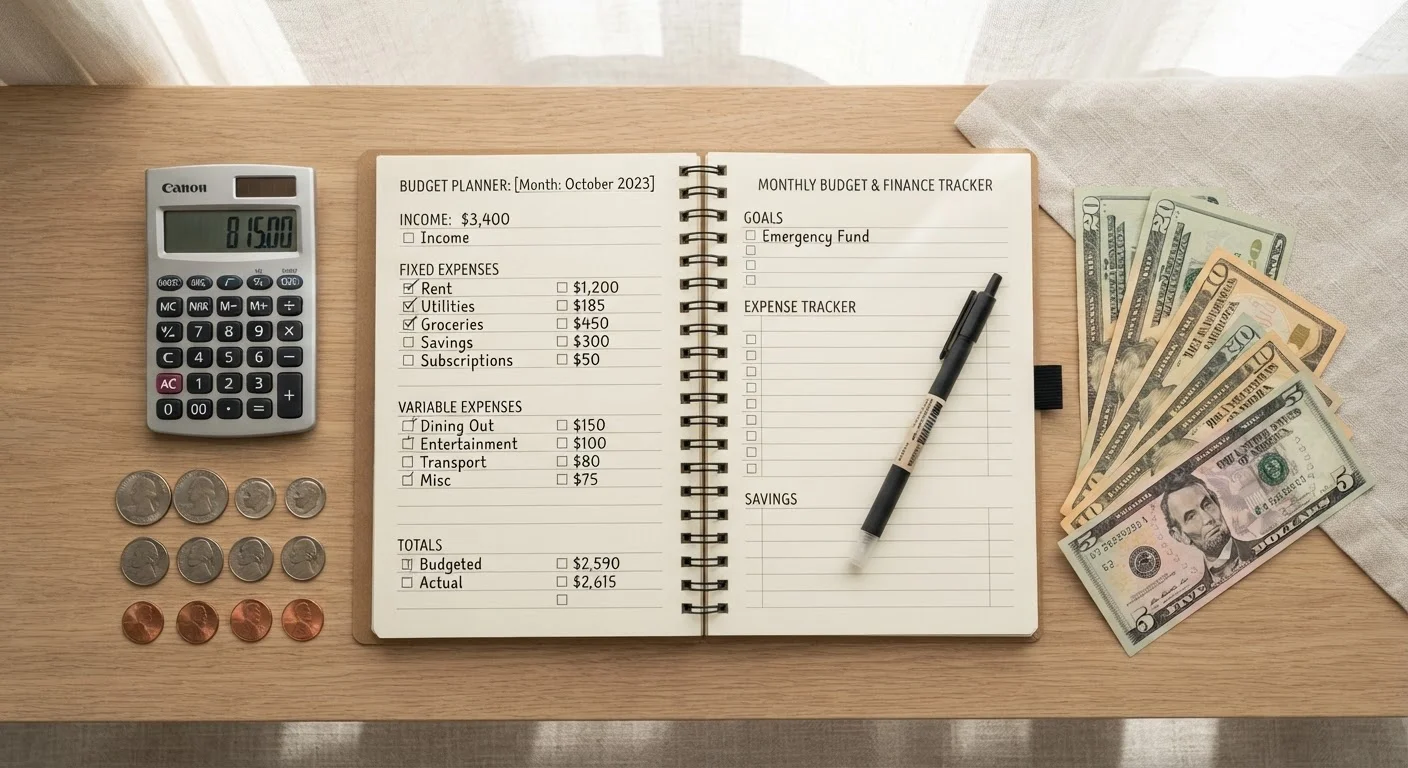
A fixed expense is any cost that stays the same amount each billing period, regardless of how you spend your time or what choices you make that month. Rent or mortgage payments, auto loan installments, insurance premiums, and most subscription services fall into this category. You owe the same dollar amount whether you used that service heavily or barely at all.
Because fixed expenses are predictable, they are the natural starting point for any budget. Before deciding how much to spend on groceries or entertainment, knowing your fixed obligations tells you how much income has already been committed. For most American households, fixed costs account for a substantial portion of take-home pay — which is exactly why underestimating them is one of the most common budgeting mistakes.
Fixed expenses are also largely non-negotiable in the short term. Breaking a lease, refinancing a loan, or canceling an insurance policy involves effort, cost, or contractual consequences. This is why keeping fixed costs manageable relative to your income — rather than stretching them — is a core principle of sound financial planning. For a deeper look at how these costs interact in a full spending plan, see Building Your First Budget.
What Variable Expenses Actually Are
A variable expense is any cost that changes in amount from one period to the next, typically based on your behavior, consumption, or circumstances. Groceries, gasoline, dining out, clothing, utilities, and entertainment are classic examples. You control — at least partially — how much you spend in each of these categories each month.
Variable expenses are where most active budgeting happens. They are the primary lever you can pull when income drops, an unexpected bill arrives, or you want to accelerate progress toward a savings goal. Unlike fixed expenses, you can reduce a variable cost this week without signing a contract or waiting out a commitment period.
That flexibility cuts both ways, however. Variable expenses are also where spending most easily drifts upward without notice — a few extra restaurant meals, an impulse online purchase, a jump in gas prices — and those amounts compound over time. Tracking variable costs regularly, rather than estimating them, is essential for keeping a budget accurate. If you are navigating variable income on top of variable expenses, the strategies in Budgeting on an Irregular Income are particularly relevant.
| Criterion | Fixed Expenses | Variable Expenses |
|---|---|---|
| Amount each month | Stays the same | Changes based on usage or choice |
| Common examples | Rent, loan payments, insurance | Groceries, gas, dining, utilities |
| Ease of reducing quickly | Difficult; often contractual | Easier; driven by behavior |
| Predictability for planning | High — amount is known in advance | Lower — requires tracking and estimates |
| Role in a budget | Establishes the non-negotiable floor | Primary area for adjustment and control |
| Risk of unnoticed overspending | Low — amount is fixed | Higher — can drift without active tracking |
Semi-Variable Expenses: The Gray Zone
Not every cost fits neatly into either category. Semi-variable expenses — sometimes called mixed costs — have a fixed component and a variable component. A cell phone plan with a set monthly fee plus per-line data overages is one example. Electricity is another: there may be a base service charge each month, but the bulk of the bill rises and falls with usage.
For budgeting purposes, the practical approach is to estimate a reasonable average for semi-variable costs based on past bills, then treat that average as your monthly allocation. Building in a small buffer for higher-usage months prevents these costs from quietly derailing your plan. The Plain-English Glossary of Budgeting Terms defines other cost categories you will encounter as your budget grows more detailed.
~33%
Share of income spent on housing alone
The U.S. Bureau of Labor Statistics Consumer Expenditure Survey consistently finds housing represents the single largest fixed expense category for American households.
~15%
Income share spent on food (variable)
The same BLS survey shows food — a primarily variable expense — typically accounts for roughly 12–15% of household spending, making it one of the most adjustable budget categories.
Why the Distinction Matters for Your Budget
Separating fixed from variable expenses does more than create tidy categories — it shapes how you respond to financial pressure and opportunity. When income falls short, you know immediately that your fixed floor cannot move without significant effort, so your response has to come from the variable side. When income grows, you can decide consciously whether to expand variable spending or redirect that money toward goals.
This distinction also clarifies what you are actually committing to when you take on a new fixed cost. Adding a car payment or signing a longer lease raises your non-negotiable monthly floor permanently — until the contract ends. Understanding that trade-off before signing is a habit that protects long-term financial flexibility.
For a fuller picture of how these categories connect to discretionary versus non-discretionary spending, Needs, Wants, and the Gray Area Between Them explores how honest categorization reflects real priorities. And if you want to stress-test common assumptions before you start, Budgeting Myths That Keep People Stuck addresses misconceptions that often derail good intentions.
This article is for general informational and educational purposes only and does not constitute personalized financial advice. Readers should consult a qualified financial professional for guidance specific to their own circumstances.