How Credit Card Interest Actually Works
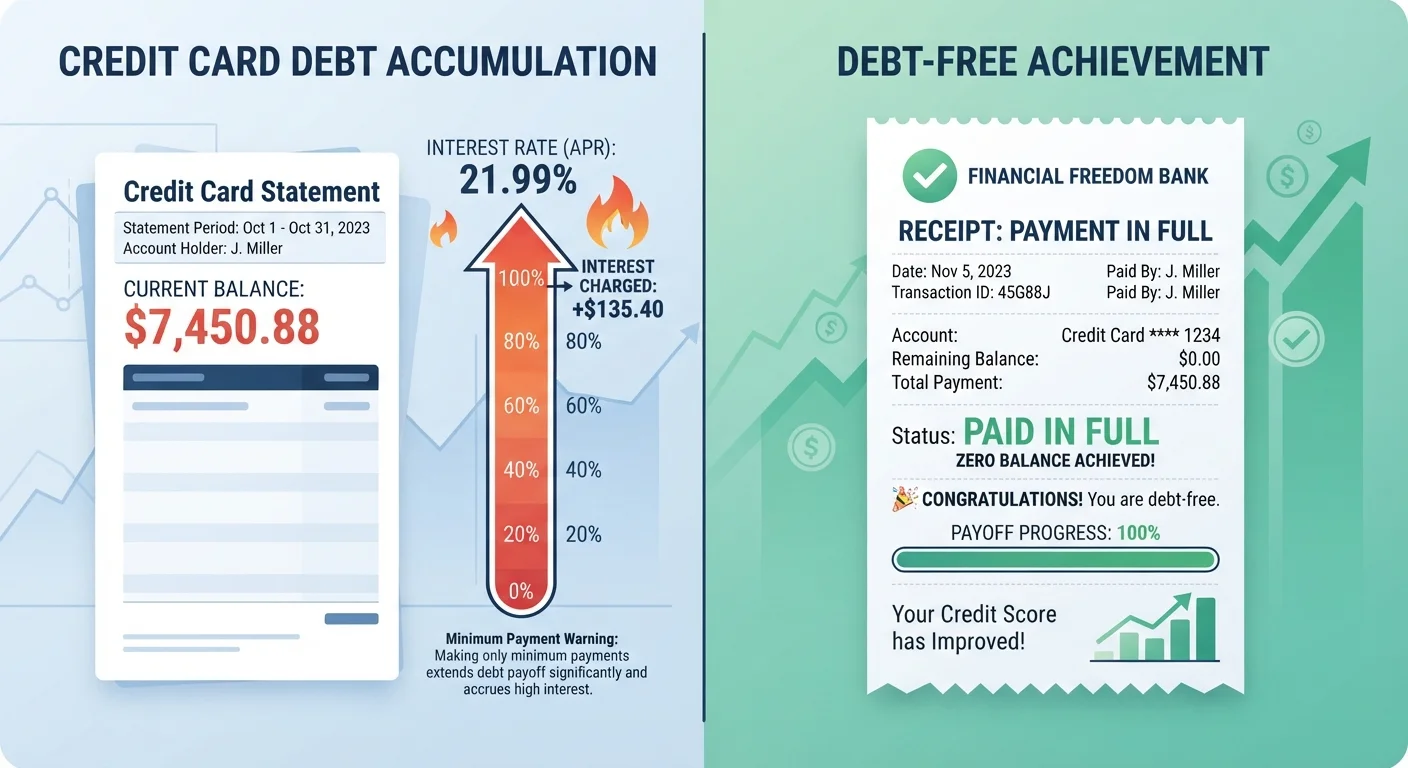
Credit cards typically express their cost as an Annual Percentage Rate (APR) — but interest doesn't accrue once a year. Most issuers calculate interest daily using a Daily Periodic Rate (DPR), which is your APR divided by 365. That daily rate is applied to your average daily balance each day of the billing cycle.
This matters because it means a balance left unpaid doesn't sit still — it grows every single day. On a card with a 24% APR, the DPR is roughly 0.066%. Applied to a $2,000 balance, that's about $1.32 in interest per day. Over a full month, that adds approximately $40 to what you owe — before you've made a single new purchase.
Crucially, most credit cards include a grace period: if you pay your full statement balance by the due date, no interest is charged on purchases at all. The moment you carry any amount forward, that grace period typically disappears for new purchases until the balance is cleared entirely. This is a detail many cardholders overlook — and it can significantly accelerate how fast a balance grows. For a broader look at how compounding and payment timing interact, see common misconceptions about credit card debt.
| Criterion | Carrying a Balance | Paying in Full |
|---|---|---|
| Interest charged | Yes — daily compounding on unpaid amount | None — grace period preserved |
| Typical APR range (US) | 18%–29%+ annually | Not applicable |
| Grace period on purchases | Lost while any balance is carried | Active each billing cycle |
| Effect on credit utilization | Raises utilization ratio | Keeps utilization low |
| Long-term cost | Higher — interest accumulates over time | Lower — no interest paid |
| Cash flow impact | Frees cash short-term, costs more overall | Requires full repayment each cycle |
The Real Cost of Carrying a Balance Over Time
The difference between the two approaches becomes most visible when you run the numbers over months rather than days. Consider someone who carries a $3,000 balance on a card with a 22% APR and makes only minimum payments. According to standard amortization math, it could take well over three years to pay off that balance — and the total interest paid could approach or exceed $1,000, depending on the minimum payment formula used.
That's money that could otherwise go toward an emergency fund, retirement contributions, or reducing higher-priority expenses. As explored in our article on why minimum payments cost more than you think, even small increases to monthly payments dramatically shorten repayment timelines and reduce total interest.
~$1,000+
Potential interest on a $3,000 balance at 22% APR
Based on standard credit card amortization with minimum payments; actual amounts vary by issuer payment formula.
20%+
Average credit card interest rate in the US
Federal Reserve data has shown average credit card rates consistently above 20% APR in recent years.
Daily
Frequency at which most card interest compounds
Most US credit card issuers apply a daily periodic rate to the average daily balance each billing cycle.
Beyond the direct interest cost, a high carried balance relative to your credit limit raises your credit utilization ratio — the share of available revolving credit you're using. Most credit scoring models treat lower utilization as a positive signal. Carrying a large balance can reduce your score over time, potentially affecting loan rates and other borrowing costs. See what your credit utilization ratio actually measures for a detailed breakdown.
What Paying in Full Each Month Actually Means for Your Finances
Paying in full every month doesn't mean avoiding credit cards — it means using them as a payment tool rather than a borrowing tool. When your statement balance is cleared by the due date, you pay zero interest, maintain your grace period on new purchases, and keep your utilization ratio in check.
There's also an opportunity cost angle worth noting. Money that would otherwise service credit card interest at 20%-plus APR stays in your hands. Whether that frees up cash for savings, debt payoff elsewhere, or everyday expenses, the effect is the same: your net financial position improves. This trade-off between debt repayment and saving is examined in detail in our piece on saving vs. paying off debt.
Paying in Full Doesn't Mean Spending More
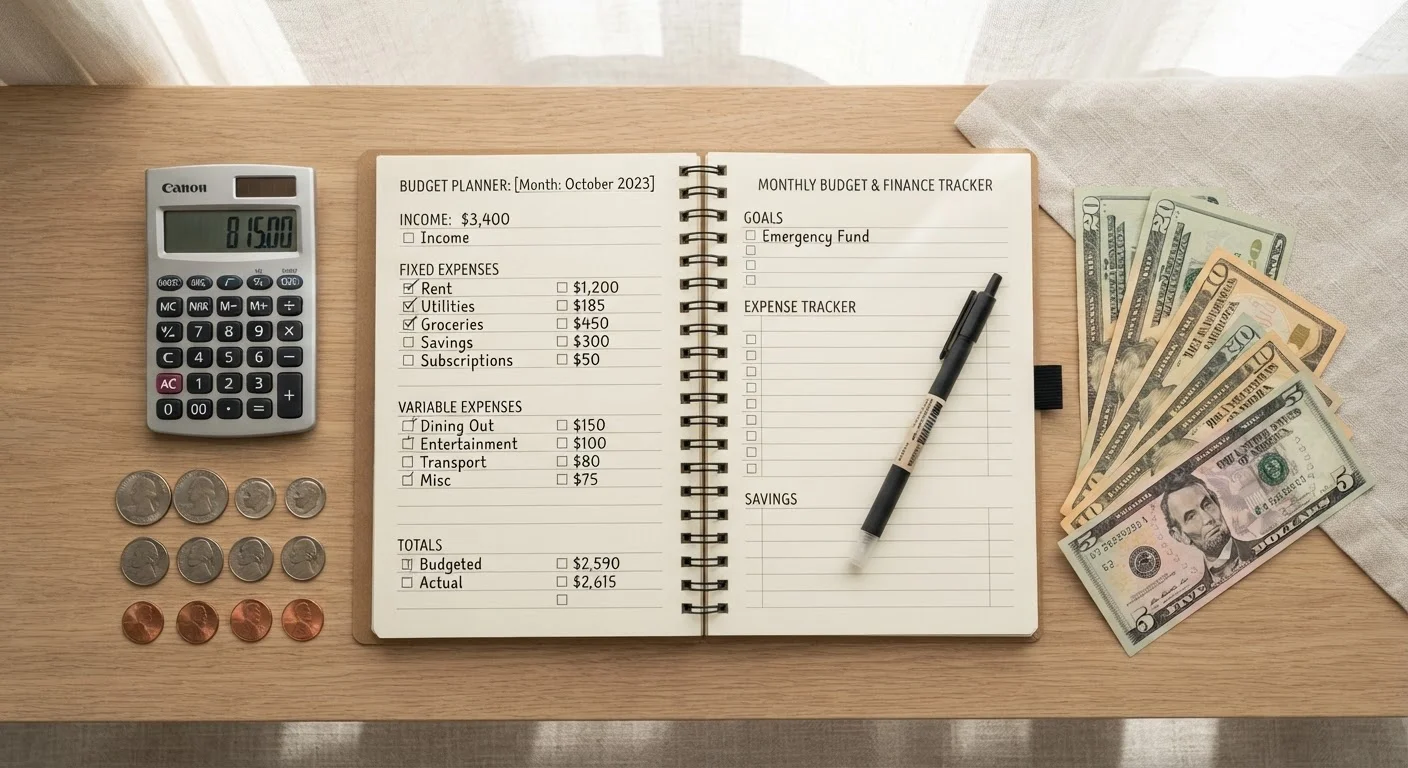
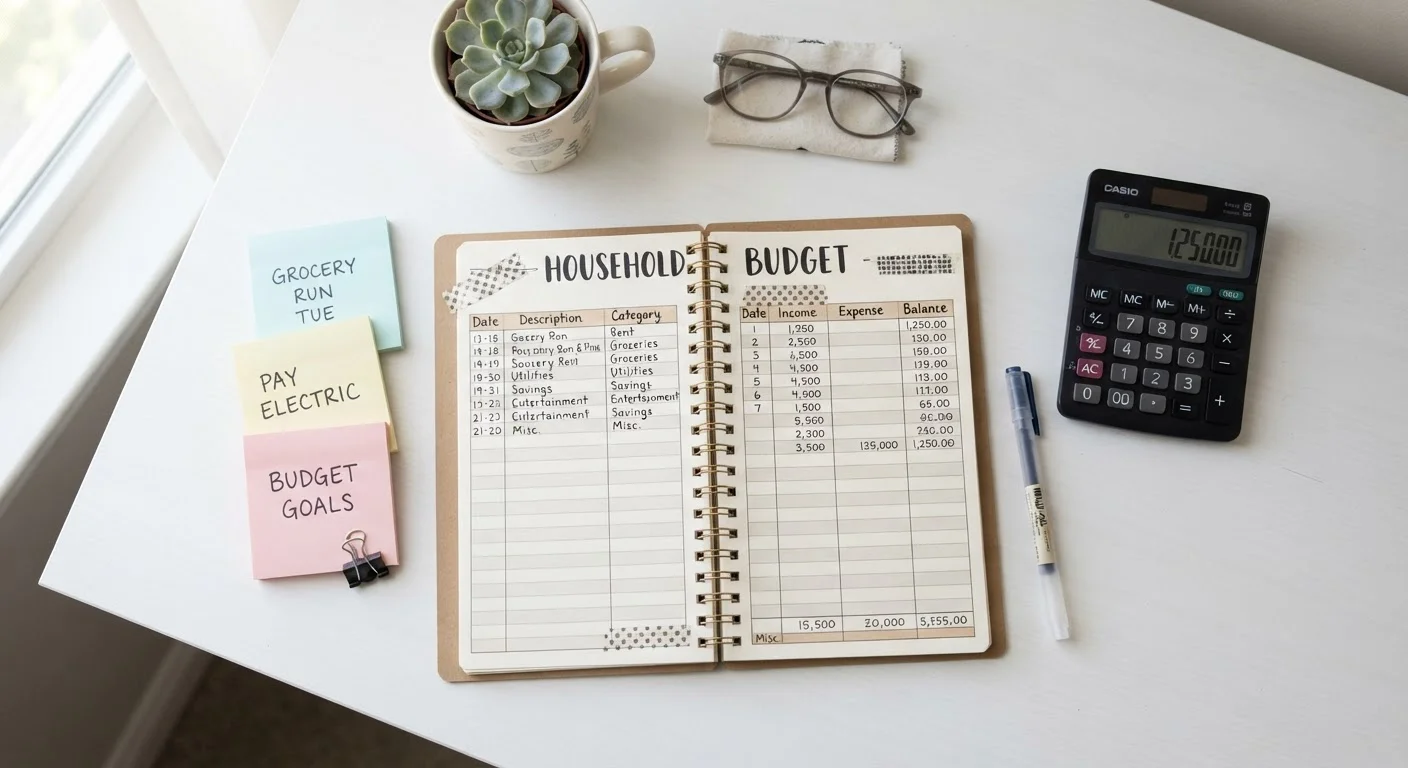
A common misconception is that paying in full requires a higher income or stricter spending limits. In practice, it means aligning what you charge to your card with what you can repay by the due date. Budgeting tools can help track this in real time. For strategies on keeping spending within those boundaries, the Budgeting Basics hub offers practical starting points.
For cardholders already managing balances across multiple accounts, paying in full going forward stops the accumulation from worsening — but won't erase existing balances overnight. Tools like balance transfers or consolidation loans may be worth exploring for the existing debt. Our guide to debt consolidation explains how that approach works and when it may make sense.
This article is for general informational and educational purposes only. It does not constitute personalised financial advice. For guidance specific to your financial situation, consult a qualified financial professional.