Why Senior Cats Have Different Nutritional Needs
Cats are broadly classified as senior at around age 11, though some veterinary organizations use age 7 as the start of the mature/middle-aged stage. As cats move through these later years, their bodies change in ways that directly affect how they process food. Understanding these shifts is the foundation for making good feeding decisions.
One of the most significant changes is a decline in the efficiency of protein digestion. Contrary to older advice that suggested reducing protein for aging cats, current veterinary nutrition research generally supports maintaining — and in some cases increasing — high-quality, highly digestible protein to help preserve lean muscle mass. Muscle loss, or sarcopenia, is common in older cats and contributes to weakness and a diminished quality of life.
At the same time, many senior cats experience a natural reduction in caloric needs as they become less active. However, this isn't universal — some older cats actually lose weight and may need calorie-dense foods. This is why body condition scoring, done at home or with your vet, matters more than age-based feeding charts alone. For a fuller picture of how nutritional needs evolve from kittenhood onward, see our cat lifecycle wellness overview.
Always Consult Your Veterinarian First
Every senior cat has a unique health profile. Kidney disease, hyperthyroidism, diabetes, and dental issues are all common in older cats and each condition can require a specific dietary approach. Do not make significant diet changes without guidance from a licensed veterinarian who knows your cat's health history.
What to Look for in a Senior Cat's Diet
When evaluating food options for an older cat, focus on these core nutritional factors:
- High-quality protein: Look for a named animal protein (chicken, salmon, turkey) as the first ingredient. Digestibility matters as much as quantity in senior diets.
- Controlled phosphorus: Aging kidneys struggle to filter excess phosphorus. For cats with diagnosed or early kidney disease, a veterinarian may recommend a diet with restricted phosphorus levels.
- Adequate moisture: Senior cats are more prone to chronic kidney disease and lower urinary tract problems. Wet food — which contains roughly 70–80% moisture — is often recommended to support hydration. See our comparison of wet and dry cat food for a detailed nutritional breakdown.
- Omega-3 fatty acids: May support joint health and reduce systemic inflammation, though consult your vet before adding any supplements.
Warm Food to Boost Appeal
Senior cats frequently experience a reduced sense of smell, which can suppress appetite. Gently warming wet food to just below body temperature — around 95–100°F — releases more aroma and can encourage a reluctant eater. Always stir warmed food and test the temperature before serving to avoid hot spots.
Steps for Transitioning Your Senior Cat to an Age-Appropriate Diet
Before making any changes, gather information about your cat's current weight, health conditions, and what they're already eating. Then follow these steps carefully.
What you will need
Veterinary-formulated senior cat food
Provides age-appropriate nutrient ratios, including adjusted phosphorus levels important for kidney health.
Pet water fountain
Encourages increased water intake in cats who prefer moving water, supporting kidney and urinary tract health.
Kitchen or food scale
Helps measure accurate portion sizes to prevent over- or underfeeding a senior cat.
Shallow, wide food bowl
Reduces whisker fatigue and is easier for cats with dental discomfort or arthritis to access.
Schedule a Veterinary Exam Before Changing the Diet
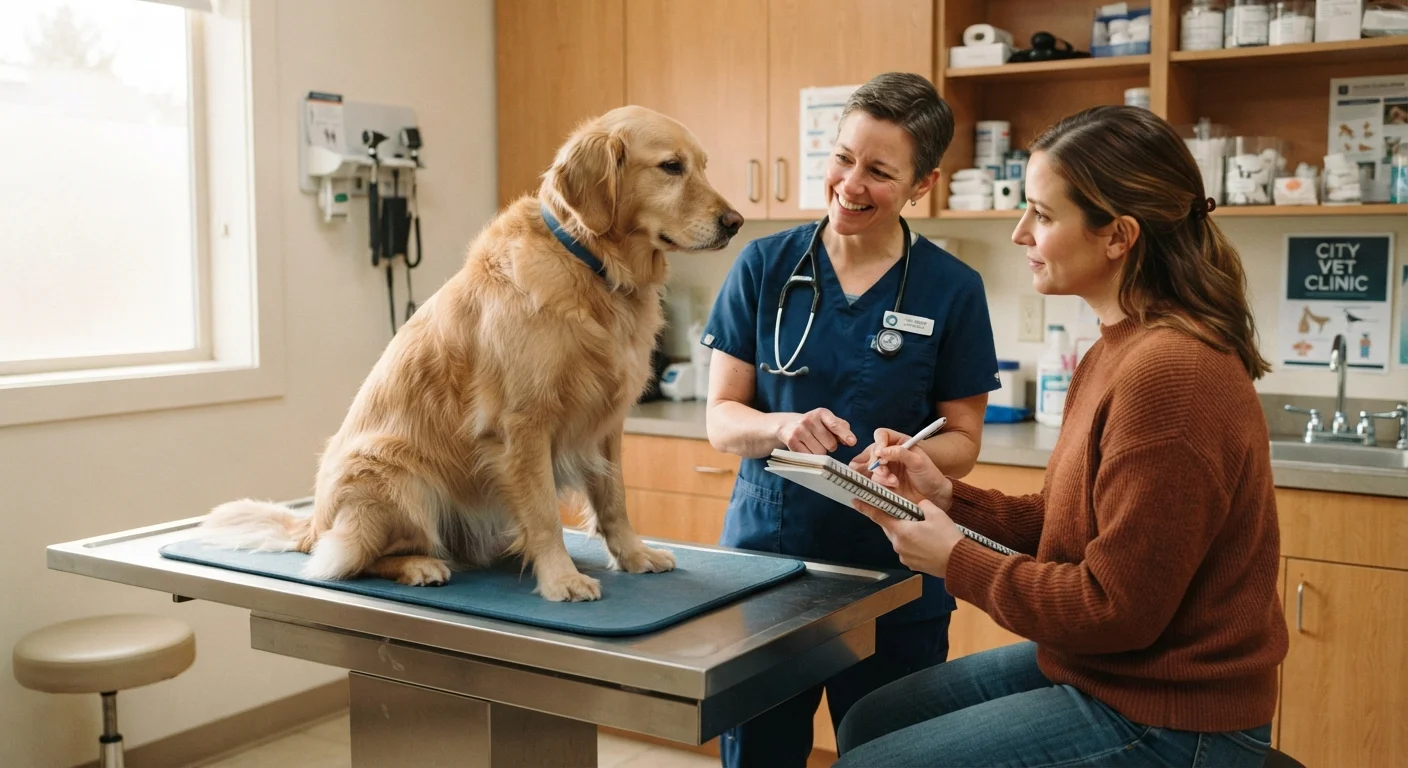
Before switching foods, have your cat examined by a veterinarian. Ask for baseline bloodwork, including a complete metabolic panel and thyroid screen if not done recently. These results will reveal whether conditions like kidney disease, hyperthyroidism, or diabetes are present — all of which significantly affect which diet is appropriate.
Choose a Food Appropriate to Your Cat's Specific Health Status
Based on veterinary guidance, select a food that matches your cat's health profile. A healthy senior cat may do well on a general senior formula emphasizing digestible protein and moisture. A cat with early kidney disease will likely need a prescription renal diet with controlled phosphorus and protein levels. Avoid making this choice based on marketing labels alone — the ingredient list and guaranteed analysis panel tell you more than front-of-bag claims.
Transition Gradually Over 7–10 Days
Mix the new food with the current food, starting with roughly 25% new food and 75% old. Increase the ratio of new food every two to three days, moving to 50/50, then 75/25, and finally 100% new food. Watch for vomiting, loose stool, or food refusal at each stage. If any of these occur, slow the transition and consult your vet if symptoms persist.
Adjust Portion Sizes Based on Body Condition, Not Just Package Guidelines
Feeding guides on food packaging are starting points, not prescriptions. Weigh your cat monthly and assess body condition: you should be able to feel the ribs with light pressure, but not see them. If your cat is gaining excess weight, reduce portions slightly. If they're losing muscle or appearing thin, increase amount or caloric density. A kitchen scale is more reliable than volume measurements for accuracy.
Support Hydration Actively
Encourage water intake by offering multiple fresh water sources around the home, positioned away from food bowls and litter boxes. A pet water fountain can increase drinking in cats who prefer moving water. If your cat primarily eats dry food, discuss with your vet whether adding wet food or low-sodium broth (with no onion or garlic) could help with hydration. Monitor litter box output — decreased urination can signal dehydration or kidney stress.
Avoid Sudden Food Transitions
Switching a senior cat's food abruptly can cause digestive upset, vomiting, or refusal to eat. Cats — especially older ones — can also develop a condition called hepatic lipidosis (fatty liver disease) if they stop eating for even a few days. Any food transition should be gradual, typically over 7–10 days.
Monitoring Your Senior Cat's Response Over Time
Dietary changes don't end once the transition is complete. Senior cats' needs can shift quickly, particularly if an underlying health condition progresses. Watch for these signs that the current diet may need reassessment:
- Unexplained weight loss or gain over 4–6 weeks
- Changes in coat quality — dullness, increased shedding, or dry skin
- Decreased appetite or disinterest in food that was previously accepted
- Changes in litter box habits, including increased urination or signs of constipation
- Lethargy beyond normal age-related slowing
Plan a veterinary checkup at least twice per year for senior cats — more frequently if a chronic condition is being managed. Blood panels can reveal early kidney, liver, or thyroid changes before they become symptomatic, giving you time to adjust diet proactively.
This article is for informational purposes only and does not constitute veterinary or medical advice. Always consult a licensed veterinarian before making significant changes to your pet's diet or care routine.