Why the First Year Sets the Foundation
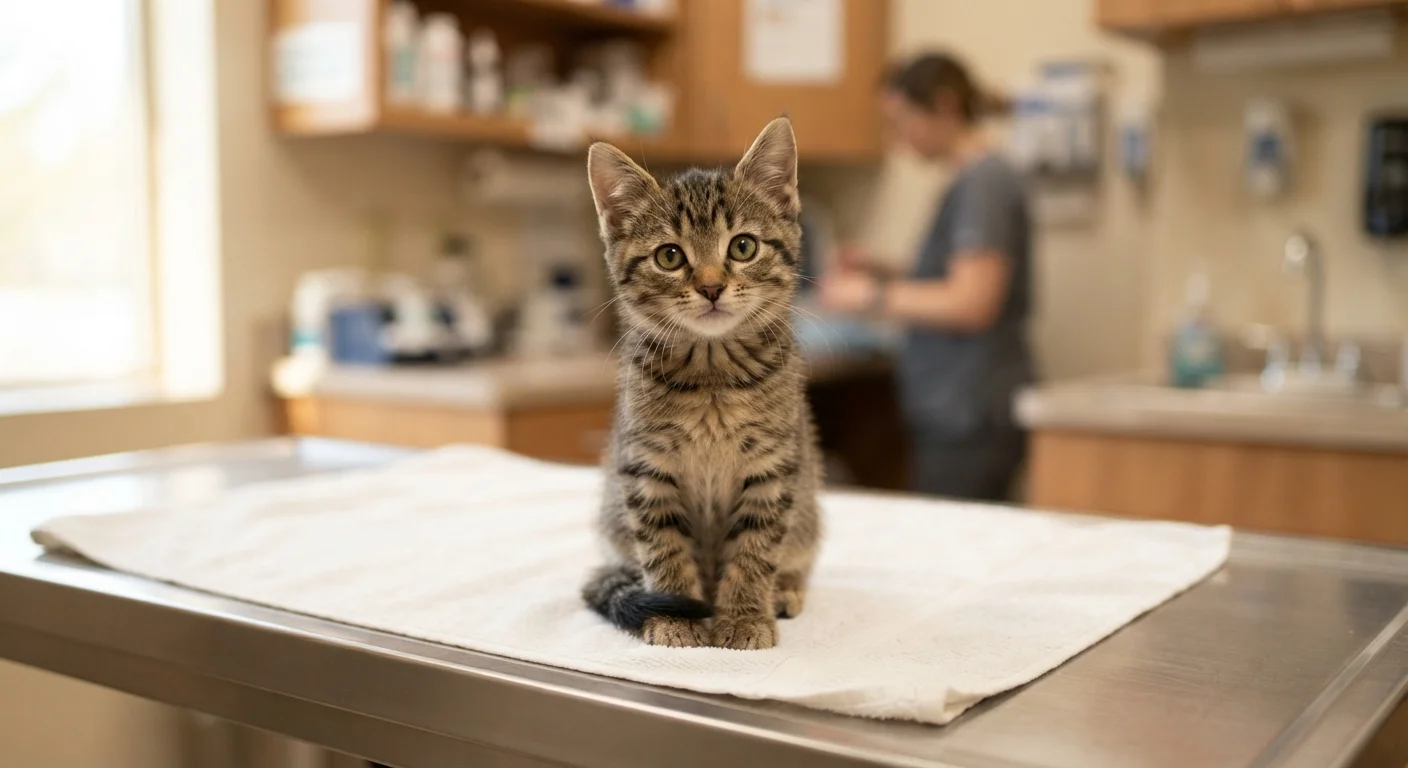
The first twelve months of a kitten's life involve more veterinary milestones than any other single year. Vaccines, parasite control, spay/neuter surgery, and microchipping all cluster into a short window — and staying on schedule matters more than many new owners realize.
This checklist is designed to help you track each milestone, know what to expect at each vet visit, and avoid the most common gaps in kitten care. Whether you adopted from a shelter or got your kitten from a breeder, the core health priorities are largely the same.
For a broader look at how your cat's health needs will evolve beyond kittenhood, see our cat wellness lifecycle overview. And if you are still in the process of preparing your home, our guide on bringing home a cat for the first time covers what to set up before your kitten arrives.
Seek Emergency Care for These Symptoms
Contact your vet or an emergency animal clinic immediately if your kitten shows any of the following: labored breathing, repeated vomiting or diarrhea, complete loss of appetite lasting more than 24 hours, pale or yellowish gums, or extreme lethargy. Young kittens can deteriorate quickly — early intervention is critical.
What to Bring to Every Kitten Appointment
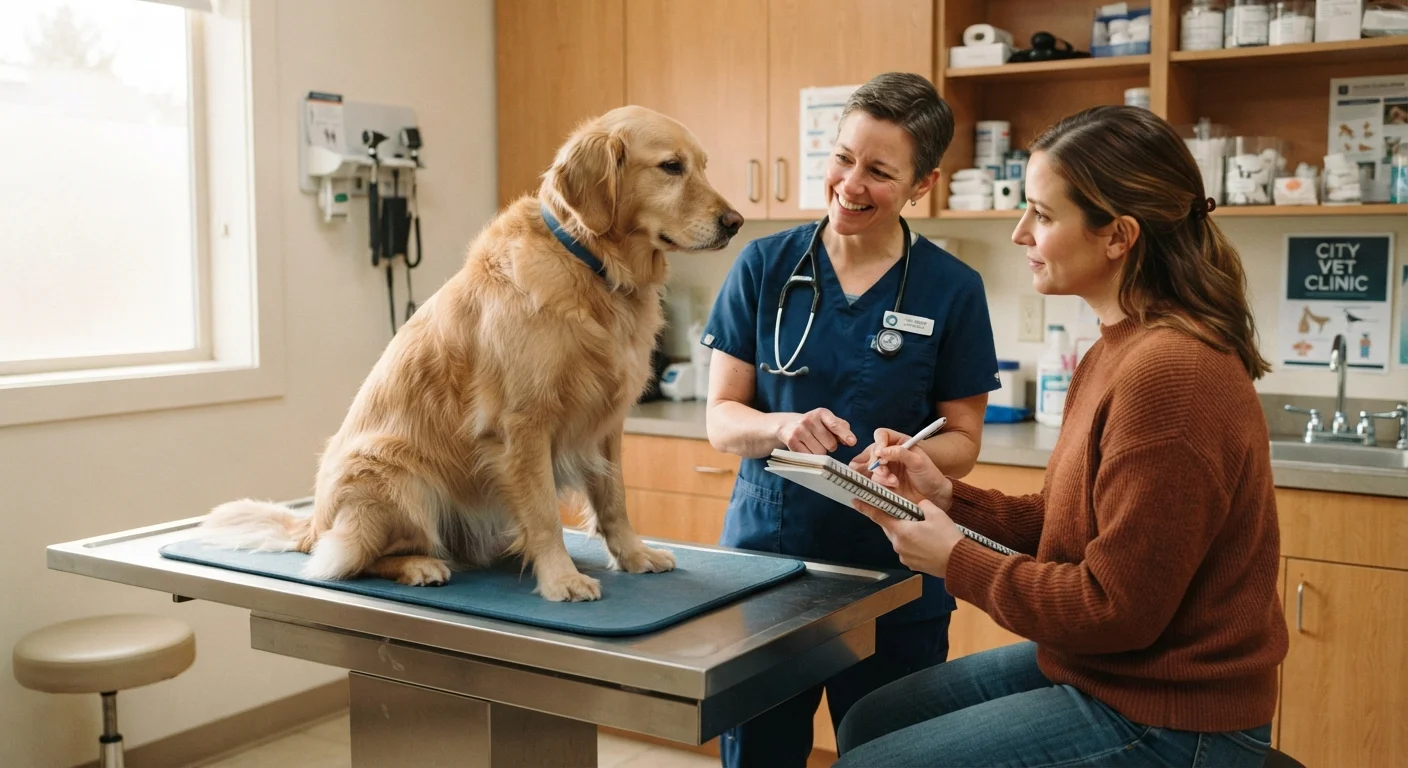
Every vet visit goes more smoothly with a little preparation. Bring your kitten in a secure carrier, carry all prior health records, and write down any behavioral changes or questions you have noticed since the last visit. This habit pays off — the more context your vet has, the more productive the appointment will be.
If you are also a dog owner and want a parallel framework for canine checkups, our vet visit preparation checklist for dog owners follows a similar approach.
Kitten Health Records Folder
Keep all vaccine records, deworming dates, and vet visit notes organized in one place for easy reference at each appointment.
Carrier (hard-sided or soft-sided)
A secure, appropriately sized cat carrier is essential for safe transport to and from every vet visit.
Postal or kitchen scale
Use a small scale to weigh your kitten at home between vet visits to monitor steady weight gain.
Pet microchip lookup service
Verify that your kitten's microchip number is correctly registered in a national database after implantation.
The Complete Kitten Wellness Checklist
Use the checklist below to track your kitten's health milestones from the first week home through the end of the first year. Items marked must are non-negotiable for your kitten's core protection. Items marked should are strongly recommended based on general veterinary guidance. Nice-to-have items add value but can be discussed at your discretion with your vet.
First Week Essentials
Vaccinations
Parasite Prevention
Identification & Spay/Neuter
Nutrition & Weight Monitoring
Never Skip the Full Vaccine Series
Giving only the first shot in a multi-dose vaccine series offers incomplete protection. Kittens require several boosters spaced weeks apart before their immune response is fully established. Missing or delaying boosters — especially for panleukopenia — can leave your kitten vulnerable to serious, potentially fatal illness.
Don't Use Dog Flea Products on Kittens
Many flea and tick products formulated for dogs contain permethrin, which is highly toxic to cats. Always use products that are specifically labeled safe for kittens, and confirm the appropriate age and weight minimums with your veterinarian before applying any topical treatment.
After the First Year
Once your kitten completes its first-year vaccine series and core procedures, wellness care shifts to annual exams and ongoing parasite prevention. Annual visits allow your vet to catch early signs of dental disease, weight changes, or emerging health concerns before they become serious problems.
Keep your kitten's health records updated and stored where you can access them quickly — especially if you ever need to board, travel with, or rehome your cat. A consistent preventive care routine in kittenhood tends to support better long-term health outcomes throughout adulthood.
This article is for general informational purposes only and is not a substitute for professional veterinary advice. Always consult a licensed veterinarian for guidance specific to your kitten's health needs.