Why Crate Training Works — and What It Isn't
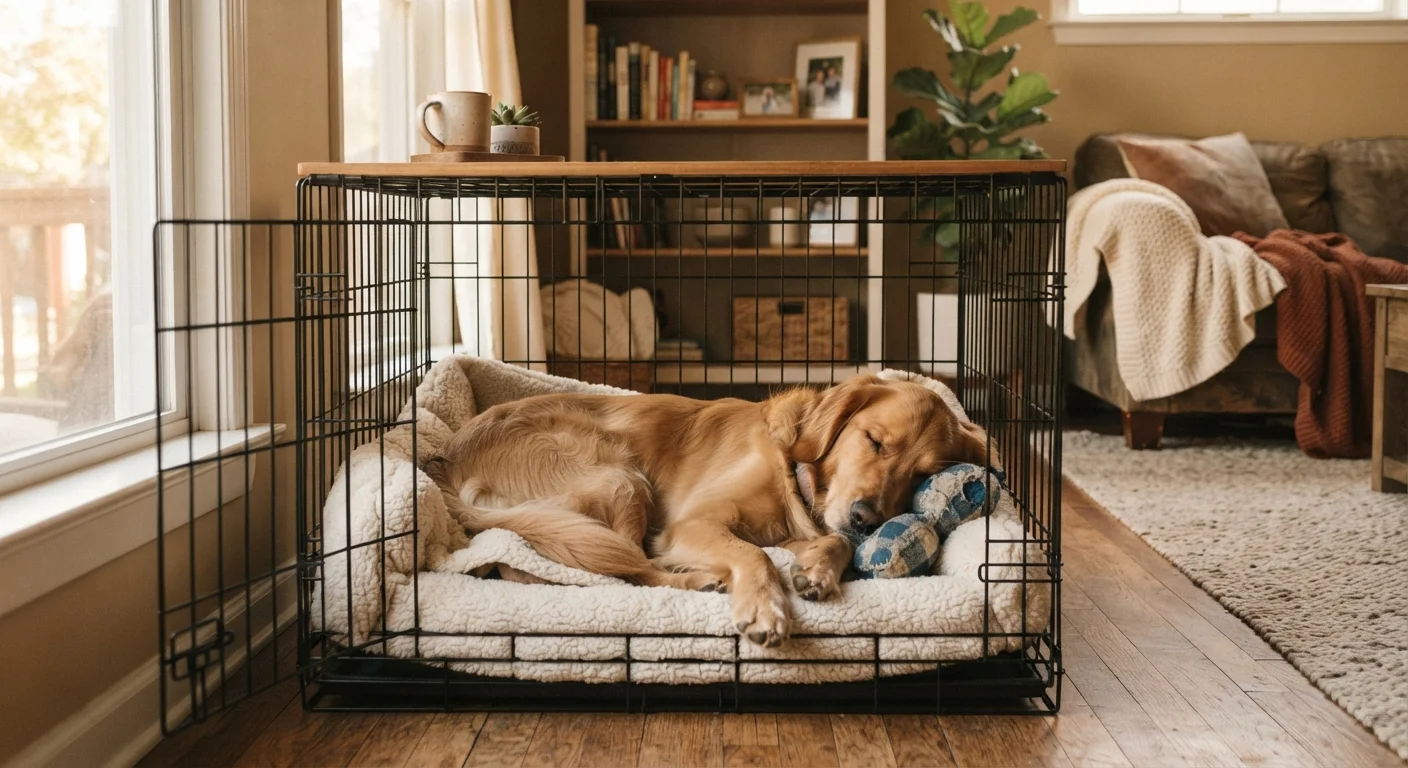
A crate isn't a cage in the punitive sense — it's a structured den. Dogs are naturally den-oriented animals, and a well-introduced crate taps into that instinct by providing a defined, predictable space that belongs entirely to your dog. When done correctly, most dogs come to seek out their crate voluntarily for naps and downtime.
Crate training also serves practical purposes: it supports housetraining by using a dog's instinct to avoid soiling their sleeping area, provides a safe space during travel or vet visits, and gives owners a reliable management tool during the early weeks of a new dog's adjustment period. If you're just getting started with a new dog, our guide to bringing a puppy home covers how crate training fits into the broader picture of early puppyhood.
What crate training is not: a substitute for exercise, socialization, or attention. And it should never be used as discipline. Research in animal behavior consistently supports reward-based methods over aversive ones — our overview of why punishment-based training often backfires explains the science behind that.
Don't Use the Crate as Punishment
Sending your dog to the crate when they misbehave undermines everything positive crate training builds. If your dog starts associating the crate with being scolded, they'll resist entering it — which makes the crate useless as a management and safety tool. Keep the crate strictly associated with calm, reward, and rest.
What You'll Need Before You Start
Getting the right setup in place before you begin saves time and prevents early missteps. The crate itself, appropriate bedding, and the right treats are the non-negotiables.
What you will need
Dog crate (wire or plastic)
Provides a defined, enclosed space your dog can retreat to and feel secure in.
Soft bedding or crate mat
Makes the crate interior comfortable and inviting, encouraging your dog to rest inside.
High-value training treats
Used to reward calm, voluntary entry into the crate during each training session.
Chew toy or food-stuffed puzzle toy
Keeps your dog occupied and creates a positive experience during early crate sessions.
Crate divider panel
Reduces the interior space for puppies so the crate doesn't feel too large to be comforting.
Step-by-Step: Building Crate Comfort
The process below works for puppies and adult dogs alike. Adult dogs who've had negative crate experiences may need more time at each phase — move at their pace and don't skip steps to save time.
Choose and position the right crate
Select a crate large enough for your dog to stand up, turn around, and lie down without crouching — but not so large that it feels like open space. A crate that's too roomy can undermine the den-like feeling dogs instinctively find calming. If you have a puppy, use a divider panel to reduce the space and expand it as they grow.
Place the crate in a room where your family spends time — a living room or bedroom corner works well. Dogs are social animals; isolation in a back room makes crate acceptance harder.
Introduce the crate with the door open
Leave the crate door fully open and let your dog investigate at their own pace. Place a few treats just inside the entrance — not deep inside yet. Allow your dog to sniff, paw at it, and step in voluntarily. Do not push, lure, or lock them inside during this phase.
Repeat this several times throughout the day. The goal is simple: your dog learns the crate is a source of good things, not a trap.
Build positive associations with meals and treats
Begin feeding your dog their regular meals near the crate, then just inside the entrance, then progressively further inside over several sessions. This pairs the crate with something your dog already values highly. Between meals, scatter treats inside or place a food-stuffed toy to encourage voluntary entry.
Never pressure your dog to go further inside than they're comfortable. Progress at their pace, not yours.
Practice closing the door briefly
Once your dog is entering the crate comfortably and eating inside, begin closing the door for just a few seconds while they're still eating or chewing. Open the door before they finish and before any whining starts. Gradually extend the time the door stays closed — by a few seconds each session — over multiple days.
Stay nearby during these early closed-door sessions. Your presence reduces anxiety while your dog adjusts.
Extend crate time with you present, then absent
Work up to your dog resting in the closed crate for 10–30 minutes while you move around the room normally. Once they're calm for that duration with you present, begin leaving the room briefly. Return before any distress begins and reward calm behavior.
Gradually build toward longer absences. This is the phase where most owners see the biggest payoff — a dog who settles in the crate without anxiety when left alone.
Use the crate for overnight sleep
Once daytime crate sessions are going smoothly, begin using the crate overnight. For puppies, place the crate near your bed so they can hear and smell you — this dramatically reduces nighttime distress. Adult dogs who've built solid daytime crate comfort usually transition to overnight use within a few days.
Expect puppies under 4 months to need a bathroom break overnight; plan for it rather than ignoring it when they signal.
Consistent Routine Speeds Up the Process
Dogs learn faster when training happens at predictable times — after meals, before walks, and at bedtime. A consistent schedule reduces uncertainty, which is one of the main drivers of crate resistance. Even 5-minute sessions twice a day will compound into real progress over a week.
Time Limits Matter for Puppies
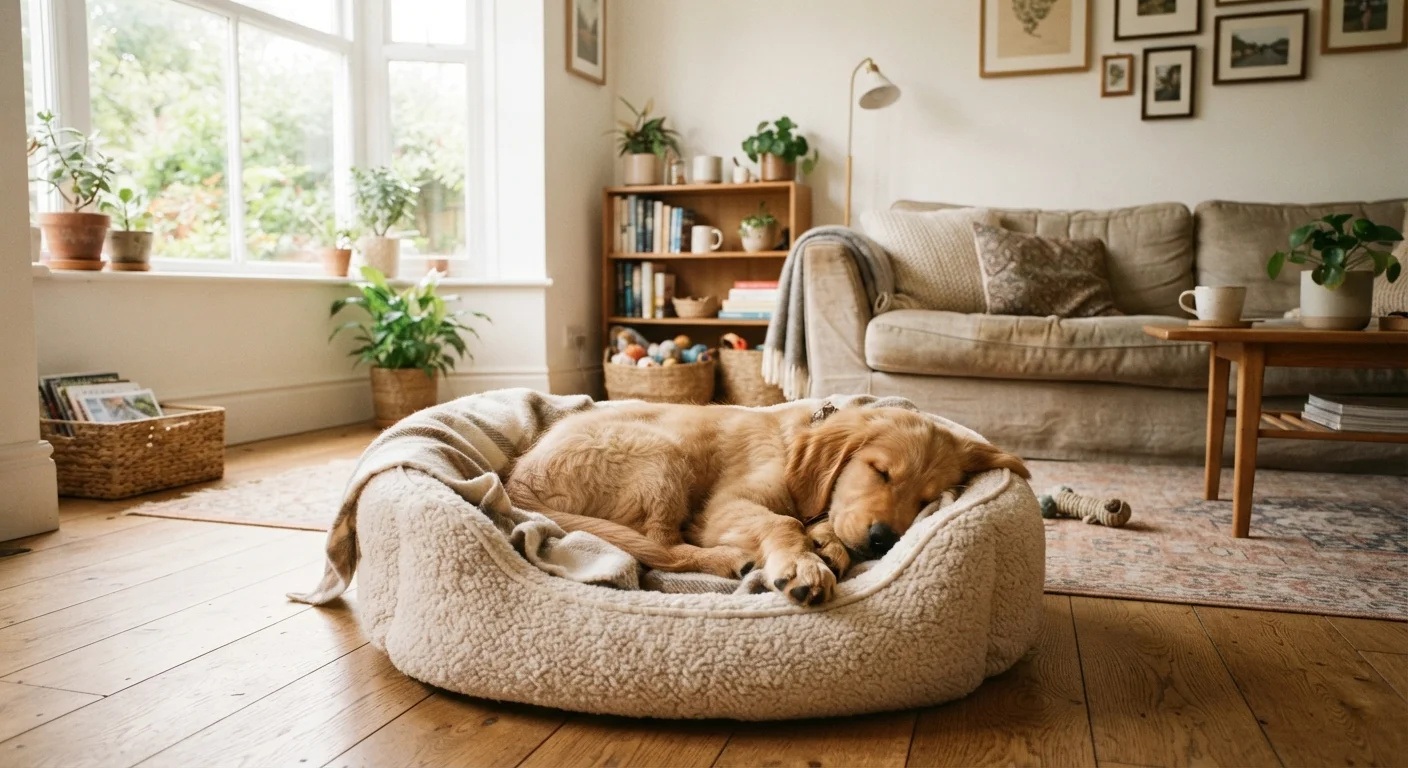
Young puppies cannot hold their bladder for long periods. As a general guideline, most puppies can manage roughly one hour per month of age — so a 3-month-old puppy shouldn't be crated for more than about 3 hours at a stretch during the day. Crating beyond a puppy's physical limits leads to accidents inside the crate and can set back both housetraining and crate acceptance significantly.
Troubleshooting Common Crate Challenges
Even with a solid approach, some dogs take longer or show specific resistance patterns. Here's how to handle the most common issues:
- Whining or barking when the door closes: You've likely moved too fast. Return to the previous step and spend more time building comfort at that level before progressing.
- Refusing to enter at all: Try higher-value rewards — real meat, cheese, or whatever your dog finds irresistible. Also check that the crate isn't in a stressful location (near a loud appliance, drafty area, or high-traffic zone).
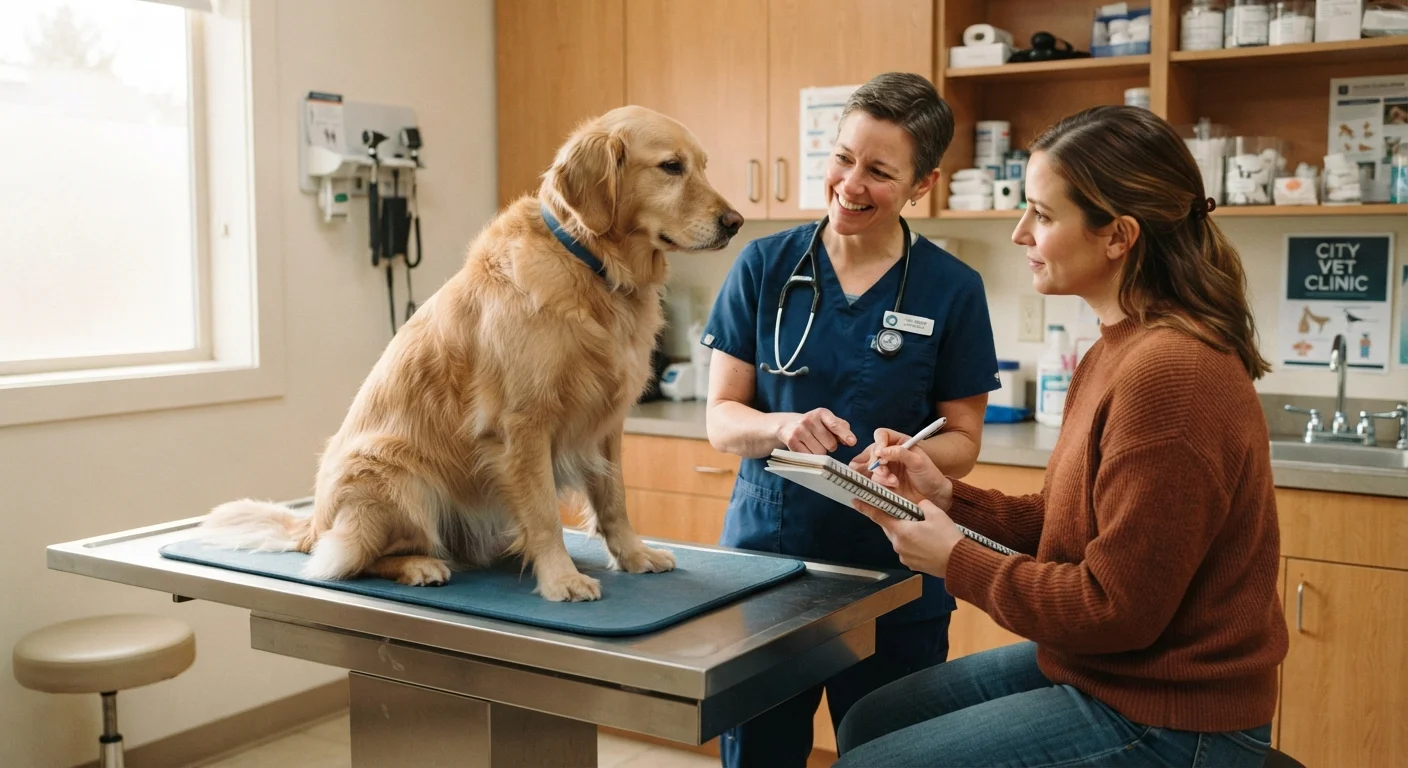
- Accidents inside the crate: Reassess time limits, especially for puppies. Also rule out a medical cause if accidents happen despite appropriate crate duration — a veterinarian can help identify if a health issue is contributing.
- Panting, drooling, or frantic behavior: These can be signs of separation anxiety, which goes beyond typical crate resistance. Consult your veterinarian or a certified professional dog trainer if you observe these signs consistently.
Crate training pairs naturally with other at-home care routines. If you're building out your dog care toolkit, our home grooming guide covers what's manageable to do yourself and what's better left to a professional.
This article is for general informational purposes only and is not a substitute for professional veterinary or behavioral guidance. If your dog shows persistent signs of distress, consult a licensed veterinarian or a certified applied animal behaviorist.