Why Home Grooming Matters — and Where Its Limits Are
Regular grooming isn't just about appearance. It supports skin health, helps catch lumps or irritations early, and reduces the buildup of mats, debris, and odor that can become serious over time. For many owners, doing some of this work at home between professional appointments is both practical and beneficial — when done correctly.
That said, home grooming has real boundaries. Some tasks require professional tools, training, or anatomical knowledge that most owners don't have. Attempting them without preparation can cause pain, injury, or infection. Understanding where that line is makes the whole process safer and more effective. If you're new to dog ownership altogether, our first-time dog owner guide covers what to expect across all areas of care.
Start Handling Early — It Pays Off Long-Term
Puppies who are regularly handled around their ears, paws, and mouth from a young age tend to be significantly more tolerant of grooming throughout their lives. If you have an adult dog who hasn't been handled much, go slowly and use treats generously — desensitization is possible at any age, but it takes more patience.
What You Can Safely Do at Home
These tasks are well within reach for most owners who use proper technique and appropriate tools:
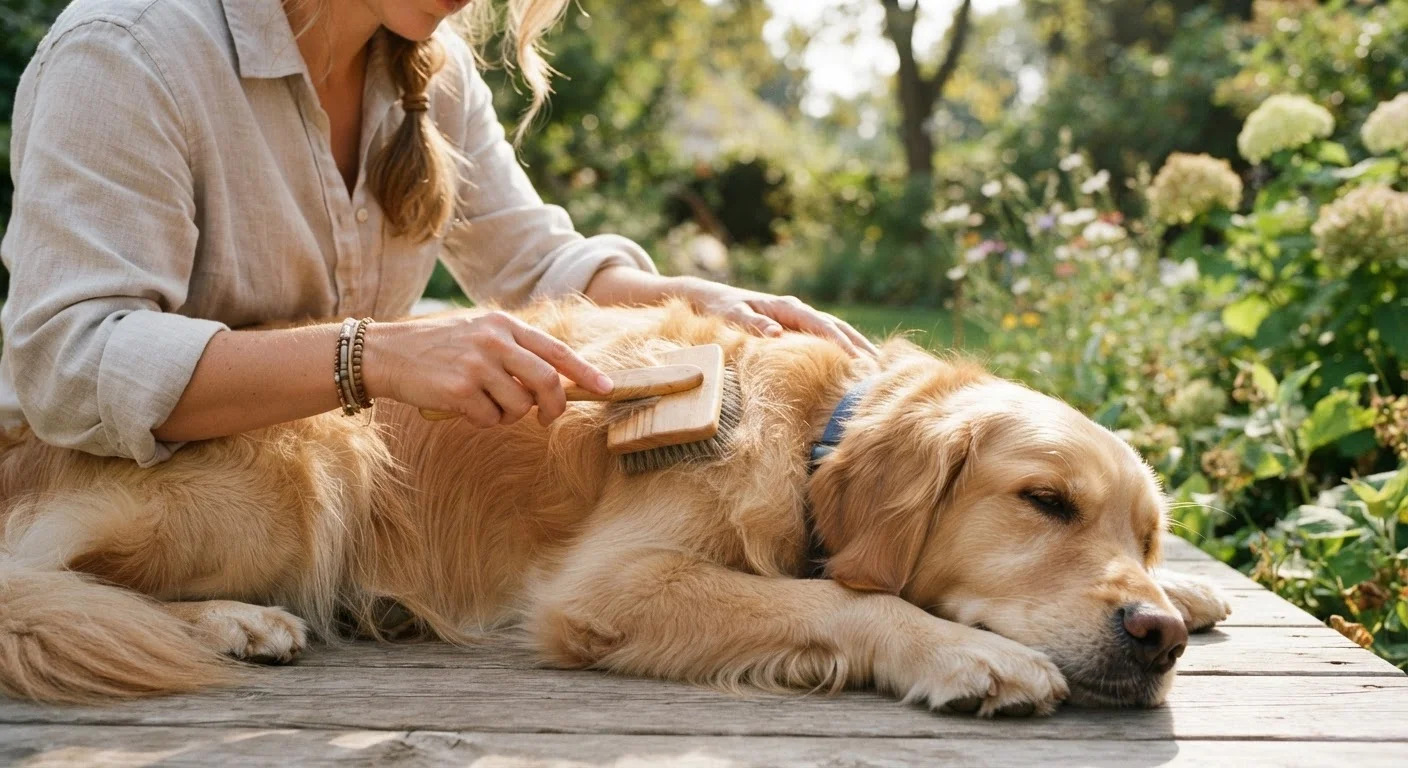
Brush your dog regularly based on their coat type
Brushing prevents mats, distributes natural oils, and gives you a chance to check for skin irritation, lumps, or parasites. Short-coated dogs may only need weekly brushing, while long or double-coated breeds often benefit from daily attention.
Trim nails every three to four weeks using a proper dog nail clipper
Overgrown nails can alter a dog's gait and put strain on joints over time. Regular trims keep the quick (the live tissue inside the nail) receded, making future trims easier and safer.
Clean the outer ear gently and only when needed
Moisture and debris can accumulate in a dog's ear canal, especially in floppy-eared breeds, creating conditions for yeast or bacterial growth. Gentle wiping of the visible outer ear with a vet-approved ear cleaner helps without pushing debris deeper.
Bathe your dog only as often as their coat and lifestyle require
Over-bathing strips the skin's natural oils and can cause dryness and irritation. Most dogs do well with a bath every four to six weeks, though active or outdoor dogs may need more frequent washing.
Introduce grooming tools gradually with positive reinforcement
Dogs who associate grooming tools with stress are harder to handle safely at home and at the groomer's. Building positive associations early makes every future session easier and reduces the risk of reactive or anxious behavior.
Dental hygiene is another area where consistent home care pays off significantly. Regular brushing with dog-specific toothpaste helps prevent periodontal disease, which is one of the most common health issues in dogs. See our overview of dog dental health for a closer look at what good oral care involves.
Quick Wins to Start This Week
If you're just building a home grooming routine, these are the highest-impact actions to start with:
What to Leave to the Professionals
Some grooming tasks look straightforward but involve enough risk that most veterinarians and experienced groomers recommend leaving them to trained hands:
- Anal gland expression: Dogs have two small scent glands near the base of the tail that occasionally need to be emptied. Doing this incorrectly can cause pain or infection. If your dog is scooting or showing discomfort, have a vet or groomer handle this.
- Full coat trimming and breed-specific cuts: Clipping around the face, paws, and ears requires experience to avoid nicking skin — especially in dogs with dark or dense coats where the skin isn't easily visible.
- Severely matted fur: Attempting to cut out deep mats with scissors risks cutting skin. Groomers have dematting tools and techniques that are far safer.
- Ear flushing for infections: Light cleaning of the outer ear is fine at home, but if you notice odor, discharge, or your dog is scratching persistently, that's a vet visit — not a home cleaning job.
- Nail trimming in dogs with dark nails: The quick (the blood vessel inside the nail) is invisible in dark nails. Groomers and vet staff cut these regularly and are better positioned to do so safely.
When In Doubt, Ask Your Vet First
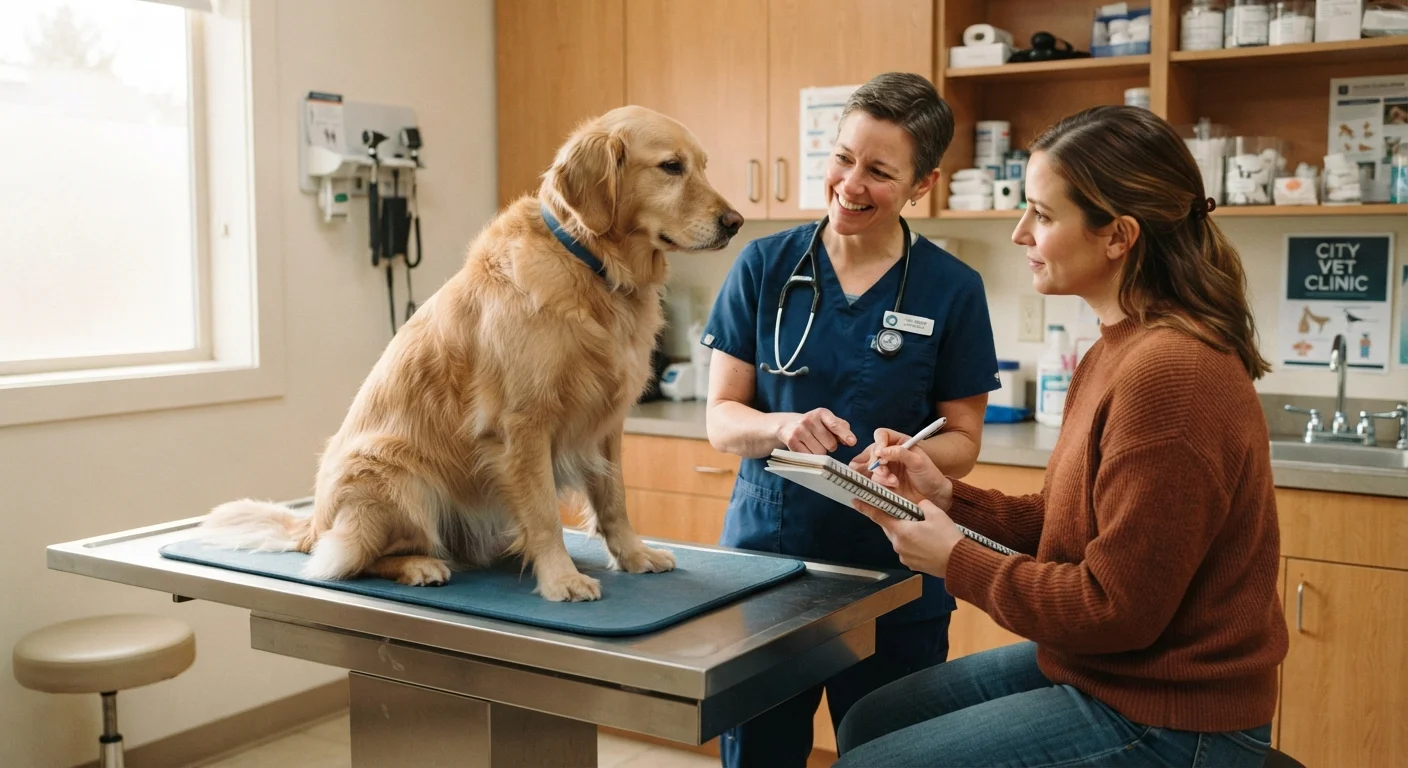
If you're unsure whether a grooming task is safe to do at home — or if your dog has a skin condition, ear issues, or a history of anxiety around handling — check with your veterinarian before proceeding. They can also refer you to a certified professional groomer who has experience with dogs that need extra care.
Before a boarding stay, groomers often prefer dogs arrive already comfortable with handling. Our pre-boarding checklist covers how to prepare your dog for a stay away from home.
Building a Routine That Sticks
Consistency matters more than perfection. A dog who is brushed briefly a few times each week will tolerate grooming far better than one who only experiences it during stressful, infrequent sessions. Keep sessions short, especially at first. Use treats, calm praise, and predictable handling to build positive associations.
Puppies especially benefit from early exposure — handling their paws, ears, and mouth from a young age makes later grooming much smoother. For adult dogs new to grooming, patience and gradual desensitization are the most effective approaches. You can find parallel thinking in our guide to socializing adult dogs, which covers how dogs build comfort with new experiences over time.
80%
Dogs with dental disease by age three
According to the American Veterinary Medical Association, the majority of dogs show signs of periodontal disease by age three — a condition that regular at-home dental care can help prevent.
4–6 weeks
Recommended time between professional grooms
Most professional groomers suggest scheduling appointments every four to six weeks for dogs who need coat maintenance, with at-home brushing in between.
This article is for general informational purposes only and is not a substitute for professional veterinary advice. Always consult a licensed veterinarian or professional groomer for guidance specific to your dog's health, breed, and individual needs.