Why Socialization Doesn't Stop at Puppyhood
The classic advice to socialize dogs before 12–16 weeks of age is well-founded — that early window shapes a puppy's baseline comfort with the world. But it's only part of the story. Adult dogs continue to learn, form associations, and adjust their responses to the environment throughout their lives.
What changes with age is the speed and ease of that learning. Older dogs tend to have more established behavioral patterns, which means new experiences may feel more threatening and require more repetitions to normalize. What stays the same is the underlying mechanism: dogs learn through association, and positive associations build confidence.
Whether you've adopted a shelter dog with an unknown background, welcomed a rescue with clear anxiety, or simply noticed your dog struggling with new environments, the good news is that progress is possible. Understanding where your dog is in their life helps set realistic expectations for what socialization looks like at their age.
What you will need
Tools and Approach Before You Begin
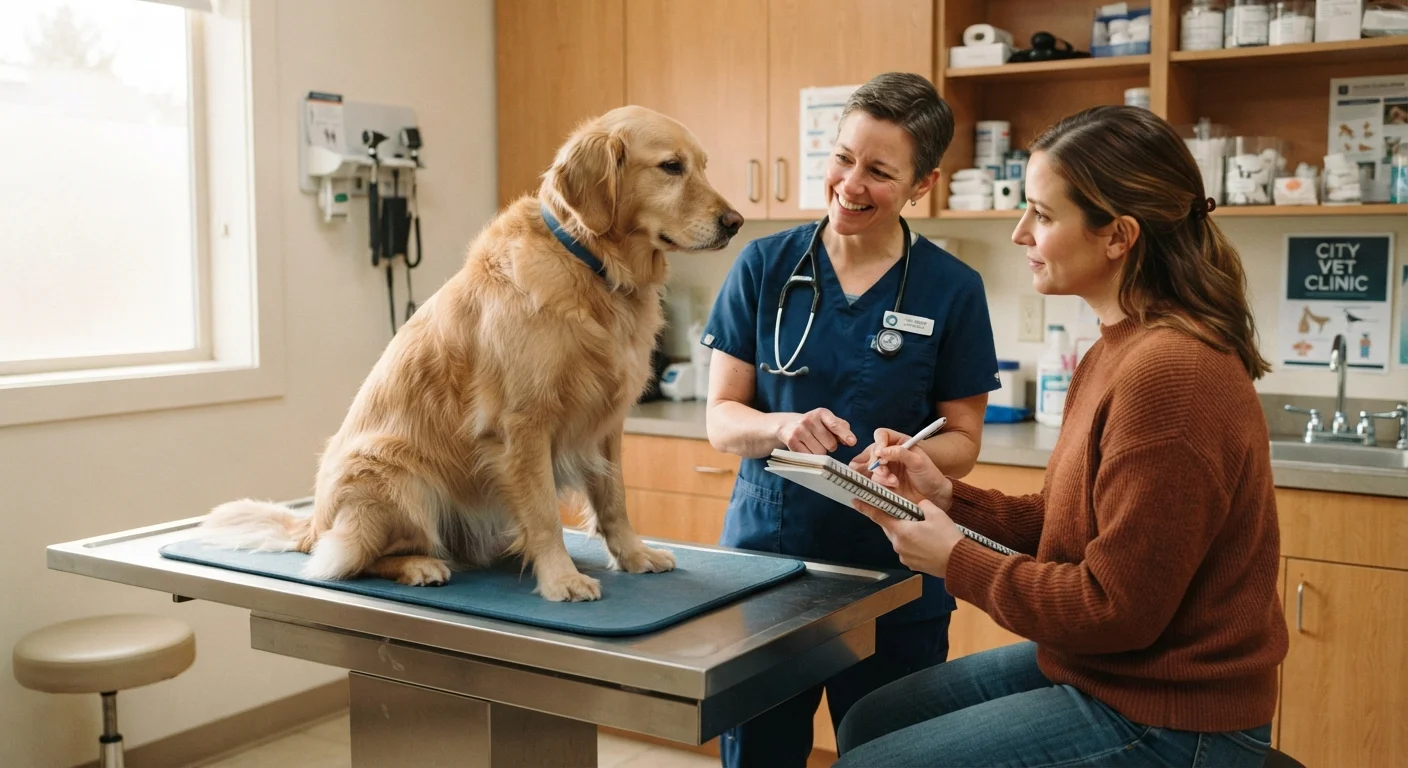
Effective socialization doesn't require special equipment — but it does require the right mindset and a few practical resources. Before beginning any structured socialization work, make sure your dog has a current veterinary checkup. Pain or illness can amplify fearful or reactive behavior, and a vet can rule out underlying medical causes.
High-value treats
Used to create positive associations with new people, animals, and environments during exposure exercises.
Standard 4–6 foot leash
Keeps your dog safely managed during controlled introductions to new stimuli.
Secure harness or flat collar
Prevents your dog from slipping free during socialization outings; a harness is often preferable for anxious or reactive dogs.
Treat pouch or bait bag
Keeps rewards immediately accessible so you can reinforce calm behavior the instant it occurs.
Certified trainer or veterinary behaviorist
Provides individualized guidance for dogs with significant fear, reactivity, or aggression beyond general socialization.
If your dog shows signs of significant fear — cowering, growling, lunging, or extreme avoidance — consult a certified professional trainer (look for CPDT-KA credentials) or a veterinary behaviorist before proceeding independently. This article covers general socialization for dogs with mild to moderate discomfort, not clinical behavior modification.
Step-by-Step: Socializing Your Adult Dog
The following steps apply whether you're introducing your dog to new people, other animals, urban sounds, or unfamiliar environments. Move at your dog's pace — rushing the process is one of the most common mistakes owners make.
Identify your dog's specific comfort gaps
Make a list of situations where your dog shows stress signals — yawning, lip-licking, stiffening, tucked tail, barking, or avoidance. Prioritize the gaps that most affect your dog's daily quality of life. A dog that struggles with strangers indoors needs different work than one that panics at traffic noise.
Establish a calm baseline environment
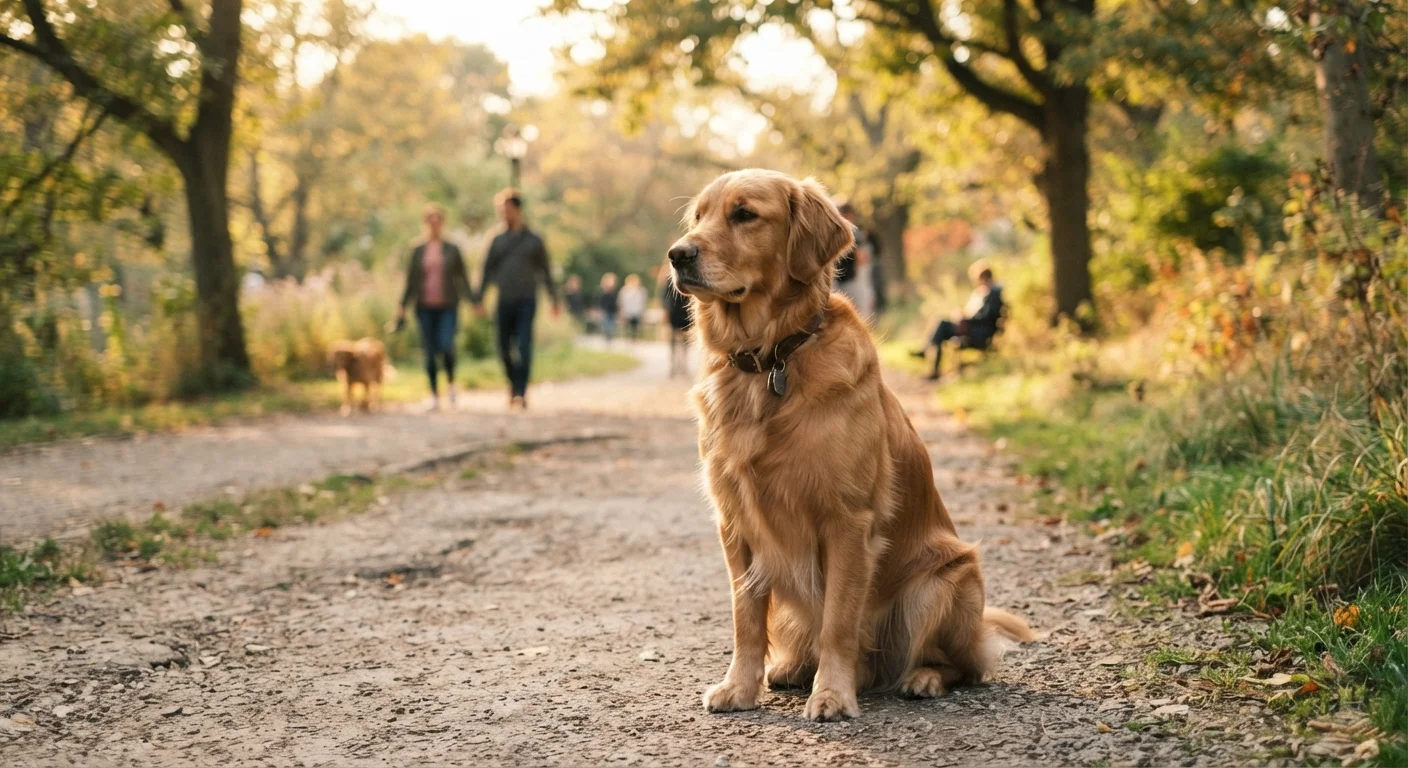
Start every new socialization effort in a setting where your dog is already comfortable — your yard, a quiet hallway, a familiar park at off-peak hours. Introducing new stimuli in a place your dog already finds stressful compounds the challenge unnecessarily.
Use distance to control exposure intensity
The most effective tool in adult dog socialization is distance. If your dog notices a stranger, another dog, or a loud truck from 50 feet away without reacting, that's your working distance. Gradually decrease distance across sessions only as your dog remains calm and relaxed — never force closer contact.
Pair each new experience with something positive
Every time your dog notices a new stimulus without reacting — offer a treat immediately. You're teaching the dog that unfamiliar things predict good outcomes. Over time, this changes the emotional response, not just the surface behavior. Keep sessions short: five to ten minutes is often enough for an adult dog processing new information.
Generalize across different settings and people
A dog that accepts one calm stranger may still startle at a person in a hat or a child running. Socialization gains don't automatically transfer across all variations of a stimulus. Deliberately vary the settings, people, and scenarios across weeks — always starting at a comfortable distance and intensity.
Track progress and adjust your plan
Revisit your initial comfort gap list every two to three weeks. Note which situations have improved and which remain difficult. Progress in adult dog socialization is rarely linear — some weeks will feel like setbacks. Consistent, low-pressure exposure over months is more effective than intense short-term pushes.
Short Sessions Work Better Than Long Ones
Adult dogs processing unfamiliar stimuli can fatigue mentally much faster than owners expect. Aim for five to ten minute socialization sessions rather than extended outings. Ending on a calm, successful moment — even a small one — builds confidence far more effectively than pushing for more within one session.
Common Challenges and When to Seek Help
Adult dogs with limited early socialization may take weeks or months to show meaningful progress in even one area. That's normal. What matters is that each session ends on a calm, positive note — never push a dog past their threshold just to check a box.
Dogs showing reactivity toward other dogs on leash, intense fear of strangers, or guarding behaviors need individualized support beyond general socialization exercises. These responses are deeply ingrained and can escalate without careful, professional guidance. As dogs age, socialization needs may also shift — our guide on behavioral changes in senior dogs covers what to watch for as your dog gets older.
Don't Force Greetings or Contact
Forcing a fearful dog to interact — holding them in place while strangers pet them, or pushing them toward another dog — can deepen fear and erode your dog's trust in you. Always allow the dog to choose the level of engagement. Consent-based socialization is safer and far more effective long-term.
Where and how your dog spends their daily life also affects their exposure to new stimuli. Dogs kept primarily indoors or in one environment may have fewer organic socialization opportunities — something worth considering as you build a routine. See our overview of indoor versus outdoor dog lifestyles for a fuller picture of how environment shapes behavior.
This article is for general informational purposes only and is not a substitute for professional veterinary or behavioral advice. If your dog shows significant fear, aggression, or distress, consult a qualified veterinarian or certified behavior professional.