Why the Indoor vs. Outdoor Question Matters
Where a dog lives is more than a logistical choice — it directly shapes their physical health, emotional wellbeing, and relationship with the people in their lives. Yet many owners inherit an arrangement by default rather than making a deliberate, informed decision.
Dogs are social animals that evolved living alongside humans. Their behavioral and physiological needs reflect that history. This doesn't automatically mean every dog must live inside, but it does mean that any living arrangement requires active thought about what the dog actually needs day to day. For a fuller picture of how those needs shift across a dog's life, see Your Dog's Life Stages, Explained.
This comparison looks honestly at what each lifestyle genuinely requires — not what's easiest, but what works best for dogs.
What Indoor Living Actually Demands
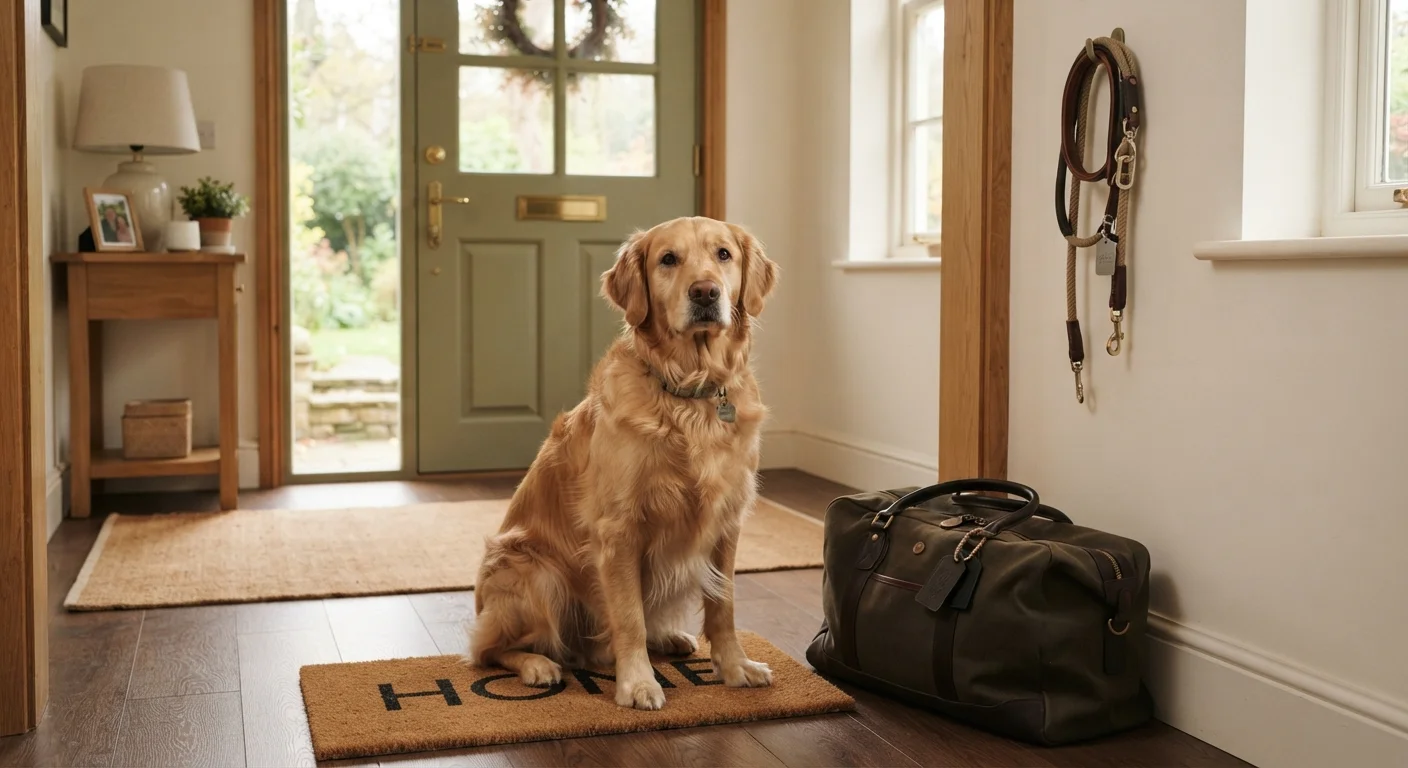
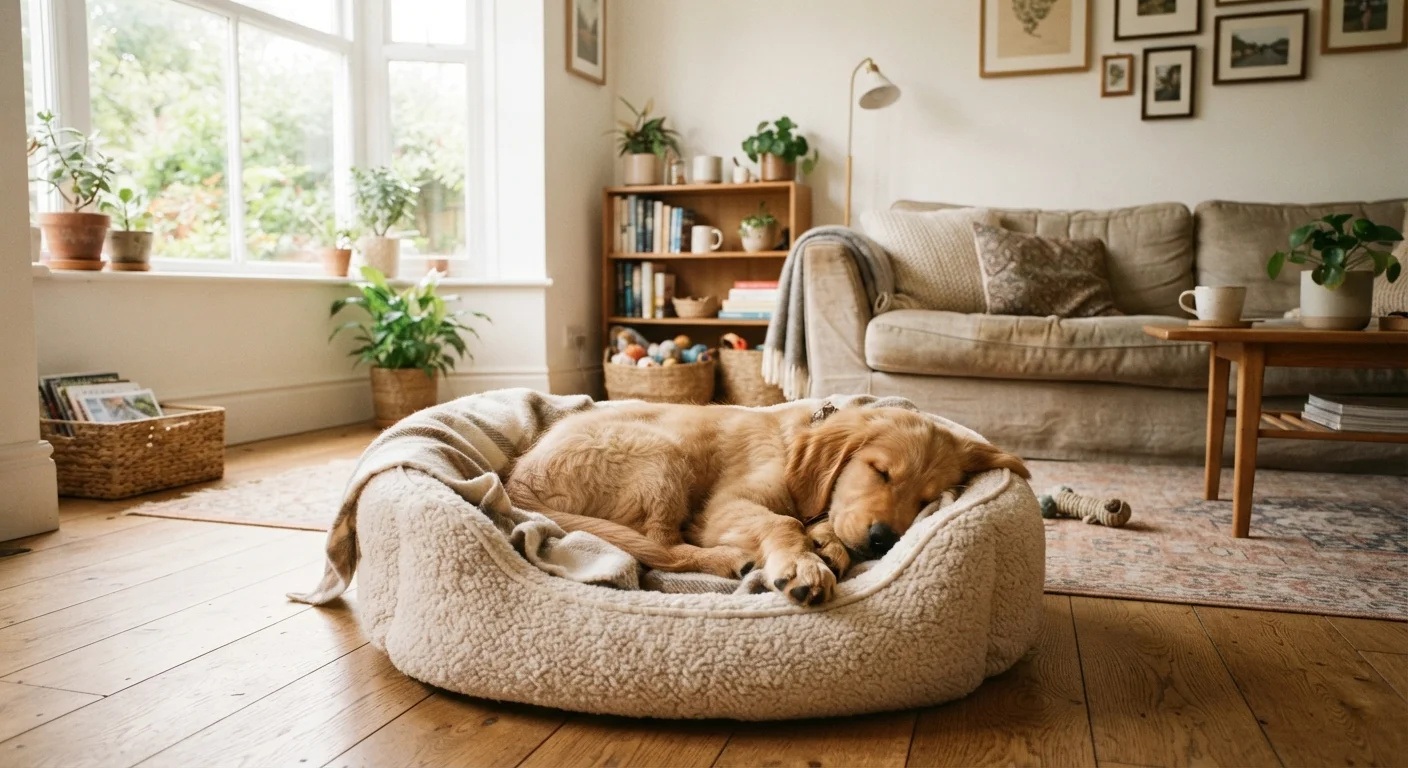
An indoor dog lives in close quarters with people, which builds a strong social bond — but it also creates responsibilities that owners sometimes underestimate.
- Exercise must be planned. Indoor dogs don't burn energy through natural roaming. Without structured walks and play sessions, they can develop obesity, anxiety, and destructive behaviors. Breed matters enormously here. For guidance, see Is Your Dog Getting Enough Exercise?.
- Mental stimulation is non-negotiable. Dogs confined indoors need puzzle feeders, training sessions, and varied enrichment to stay mentally healthy.
- Housetraining is essential. Indoor dogs must be reliably housetrained, which requires consistent effort — particularly with puppies or newly adopted adults.
- Socialization requires intentional outings. Indoor dogs can become under-socialized if owners don't regularly expose them to other dogs, people, and environments. Socializing an adult dog takes specific strategies.
Indoor dogs also benefit from lower parasite exposure and more immediate monitoring if something seems off healthwise. Owners notice subtle changes — limping, appetite shifts, behavioral cues — much faster when a dog is present throughout the day.
A Consistent Daily Routine Helps Indoor Dogs Thrive
Indoor dogs do best with predictable schedules for feeding, walks, and play. A structured routine reduces anxiety and makes it easier to spot changes in appetite or energy that might signal a health issue. Even 30 minutes of active outdoor exercise twice a day can make a significant difference for most medium-sized breeds.
What Outdoor Living Actually Demands
A fully outdoor arrangement is sometimes assumed to be simpler — fewer messes, more space. In practice, it demands more management, not less.
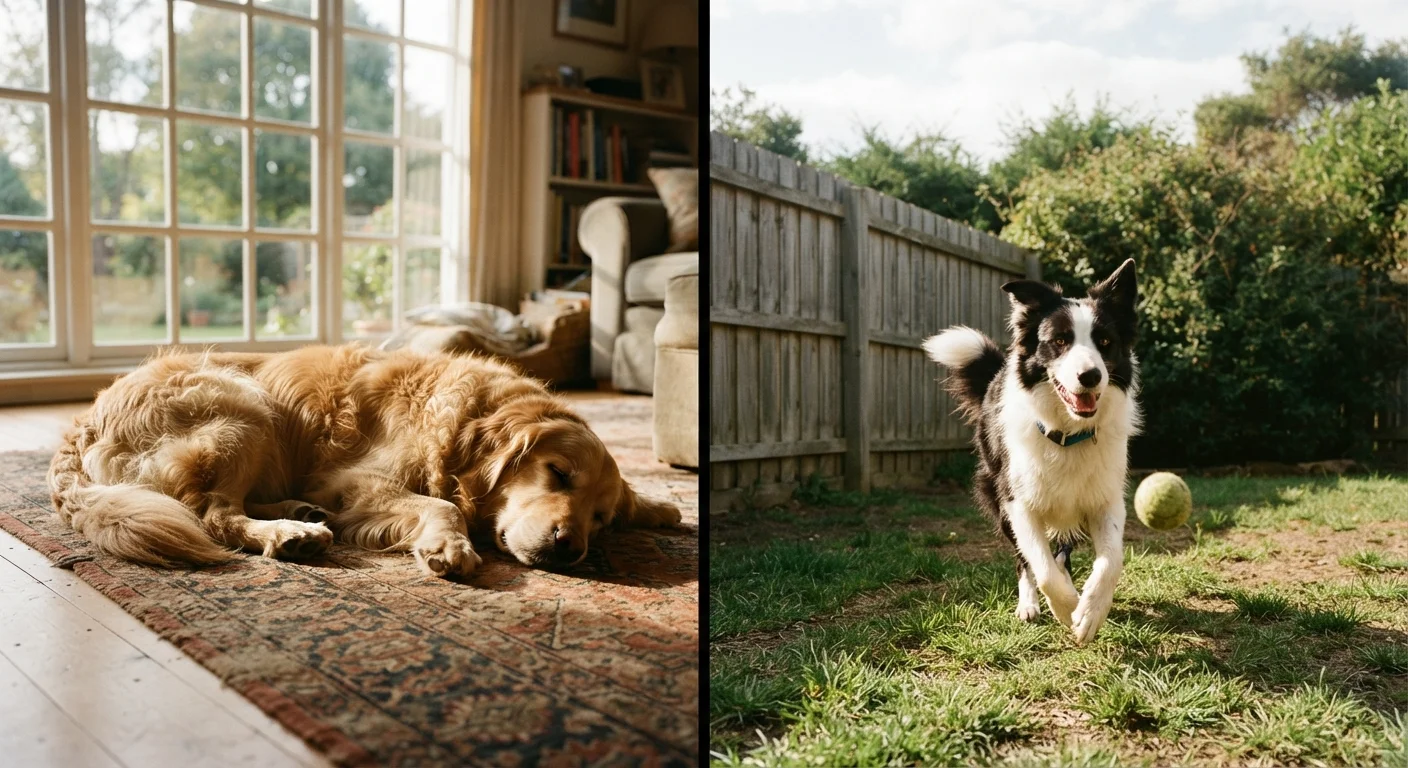
| Indoor Dog | Outdoor Dog | |
|---|---|---|
| Social bonding | Strong; constant human contact | Weaker; risk of isolation |
| Exercise responsibility | Owner must schedule all activity | More natural movement, still needs structured play |
| Parasite exposure | Lower risk overall | Significantly higher risk |
| Weather risk | Minimal; climate-controlled | High; depends on shelter quality |
| Behavioral concerns | Boredom, anxiety if under-stimulated | Isolation stress, excessive barking, escape attempts |
| Health monitoring | Easier; changes noticed quickly | Harder; symptoms may be missed |
| Suitable breeds | Most breeds, especially small or short-coated | Some large, working, double-coated breeds |
- Adequate shelter is a baseline requirement. Dogs kept outdoors need insulated, weatherproof shelter that protects against heat, cold, rain, and wind. This is a welfare minimum, not a luxury.
- Parasite prevention is more critical. Outdoor dogs have substantially higher exposure to fleas, ticks, heartworm-carrying mosquitoes, and intestinal parasites. Consistent preventive care under veterinary guidance is essential.
- Behavioral risks increase with isolation. Dogs left alone outside for long periods commonly develop excessive barking, fence-running, digging, and anxiety. Dogs are pack animals — isolation from their social group is stressful.
- Security matters. Escape, theft, and encounters with wildlife or other animals are real risks for outdoor dogs that require a secure, appropriately sized enclosure.
Some large, double-coated working breeds (such as Siberian Huskies or Bernese Mountain Dogs) tolerate outdoor conditions better than small or short-coated breeds, but even they require substantial human interaction and should not simply be left alone outside indefinitely.
Outdoor-Only Arrangements Carry Real Welfare Risks
Leaving a dog outside full-time without adequate shelter, social interaction, and veterinary-guided parasite prevention can lead to serious physical and psychological harm. Dogs showing signs of distress — persistent barking, repetitive pacing, destructive behavior — may be telling you the arrangement isn't meeting their needs. If you're unsure whether your setup is adequate, consult a veterinarian or certified applied animal behaviorist.
Health Considerations Across Both Arrangements
Neither lifestyle is inherently disease-free, but each carries distinct health profiles.
Indoor dogs tend to be more prone to obesity if exercise is insufficient, and may develop allergies related to indoor air quality, dust mites, or household cleaning products. However, they're generally at lower risk for infectious diseases, parasites, and traumatic injuries.
Outdoor dogs face greater risk of tick-borne illnesses (such as Lyme disease), heartworm infection, parvovirus exposure, and injuries from encounters with other animals or traffic. Heat stroke and hypothermia are genuine dangers depending on climate.
As dogs age, these considerations shift. Senior dogs are less tolerant of temperature extremes and benefit more from the controlled environment an indoor setup provides. For a detailed look at what changes as dogs get older, see How Dogs Experience Aging.
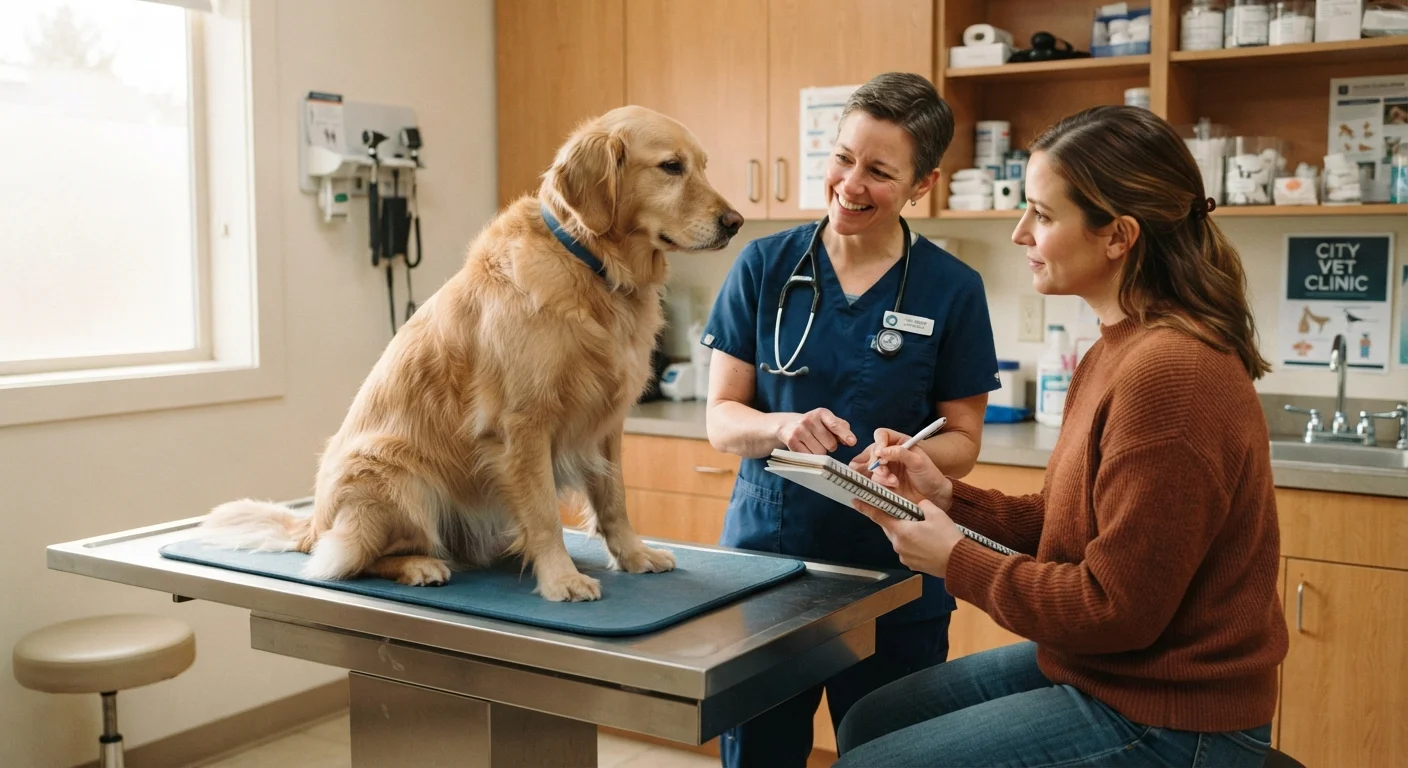
Regardless of arrangement, every dog needs routine veterinary care, appropriate vaccinations, and parasite prevention tailored to their environment and risk level. Your veterinarian is the right resource for those specific recommendations.
This article is for general informational purposes only and does not constitute veterinary advice. Always consult a licensed veterinarian for guidance specific to your dog's health and circumstances.