The Puppy Stage: Birth to Six Months
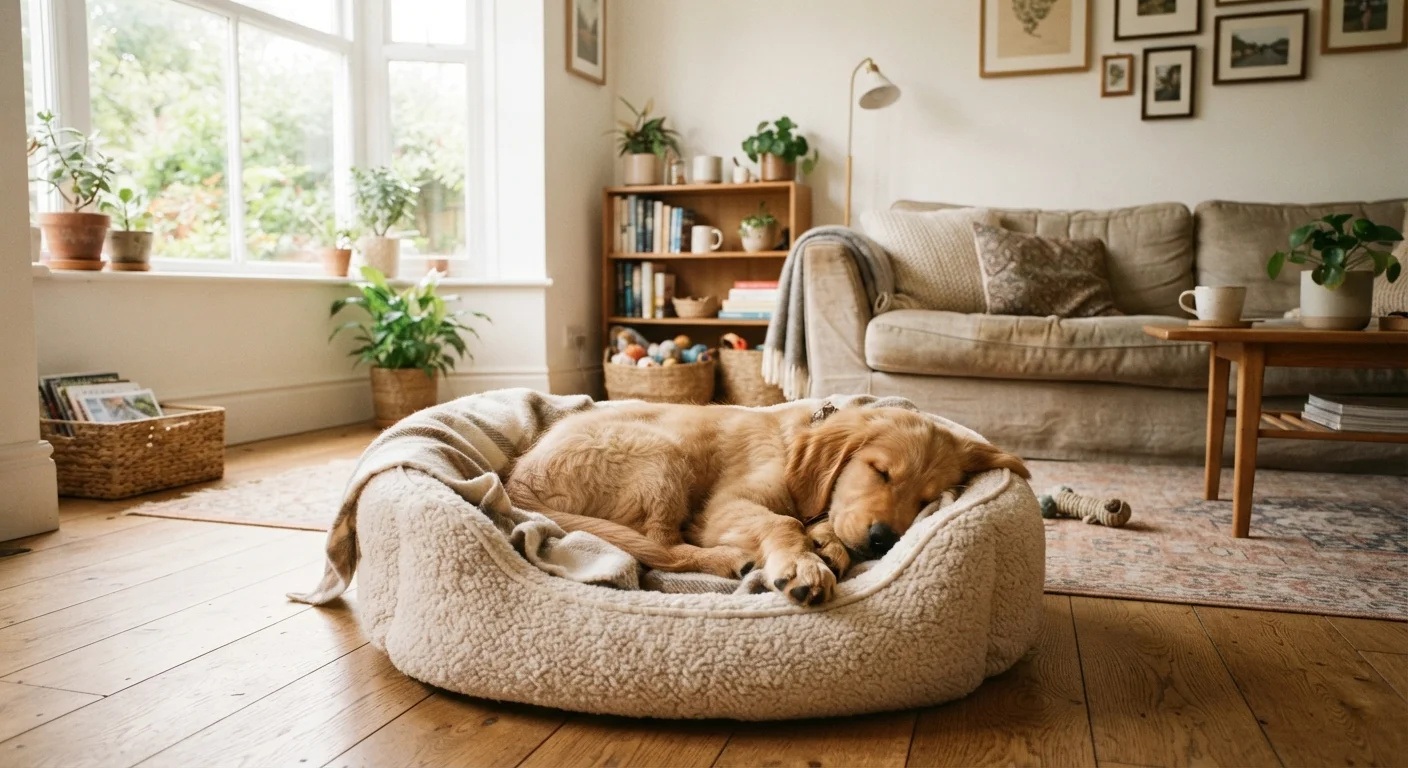
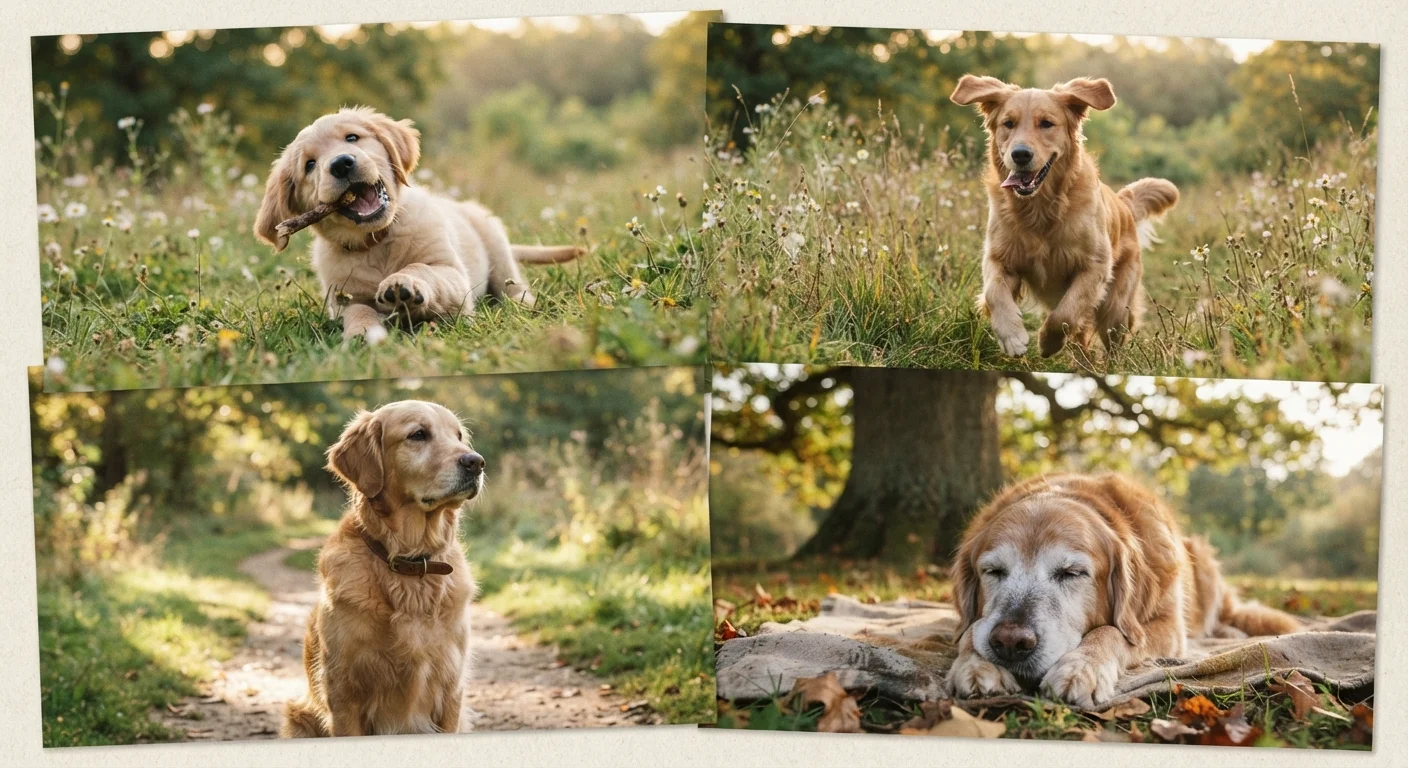
The puppy stage is the most developmentally dense period of a dog's life. In just a few months, a puppy goes from being fully dependent on its mother to navigating the world with rapidly developing senses, coordination, and social awareness.
Between 3 and 14 weeks, puppies enter a critical socialization window — a period when positive exposure to people, sounds, environments, and other animals has a lasting influence on temperament. Missing this window doesn't doom a dog, but it does make confidence-building harder later. See our guide to socializing adult dogs for what's still possible after puppyhood.
Puppies also need age-appropriate nutrition. Puppy-specific food provides the higher caloric density and nutrient ratios needed to fuel growth. Choosing the right food format matters here — talk to your vet about what works for your breed and budget.
Crate training introduced during puppyhood sets a foundation of security that benefits dogs well into adulthood.
Maximize the Socialization Window
The period between 3 and 14 weeks is the most influential for long-term temperament. Prioritize safe, positive exposures to different people, sounds, surfaces, and animals during this time. Even brief, calm introductions — a car ride, a visit to a friend's home — can have lasting benefits.
Adolescence: Six Months to Two Years
Adolescence is the stage most owners find hardest — and the most common reason dogs are surrendered to shelters. Hormonal changes, increased independence, and a brain still developing impulse control can make a previously sweet puppy seem suddenly unruly.
Behaviors like selective listening, leash pulling, and boundary-testing are typical, not signs of a broken dog. Consistent positive reinforcement training and structured daily exercise are the most effective tools during this period.
Exercise needs peak during adolescence. Exercise requirements vary widely by breed, so understanding what's appropriate for your dog's size and breed type prevents both under-stimulation and joint stress in still-developing bodies.
Adolescence Varies by Breed Size
Small breeds may move through adolescence in under a year, while large and giant breeds can remain in this phase until age 2 or even 3. Knowing your breed's typical timeline helps you set realistic expectations and avoid frustration during this challenging period.
If your dog was not spayed or neutered as a puppy, this is typically when your vet will discuss timing. Recommendations have shifted in recent years, particularly for large breeds, so ask your veterinarian about what's right for your specific dog.
Adulthood: The Maintenance Years
Once a dog reaches full physical and behavioral maturity — typically between 1 and 3 years depending on size — they enter adulthood. This is usually the most stable and rewarding period of dog ownership. Personality is established, energy levels are predictable, and the dog has typically settled into the household rhythm.
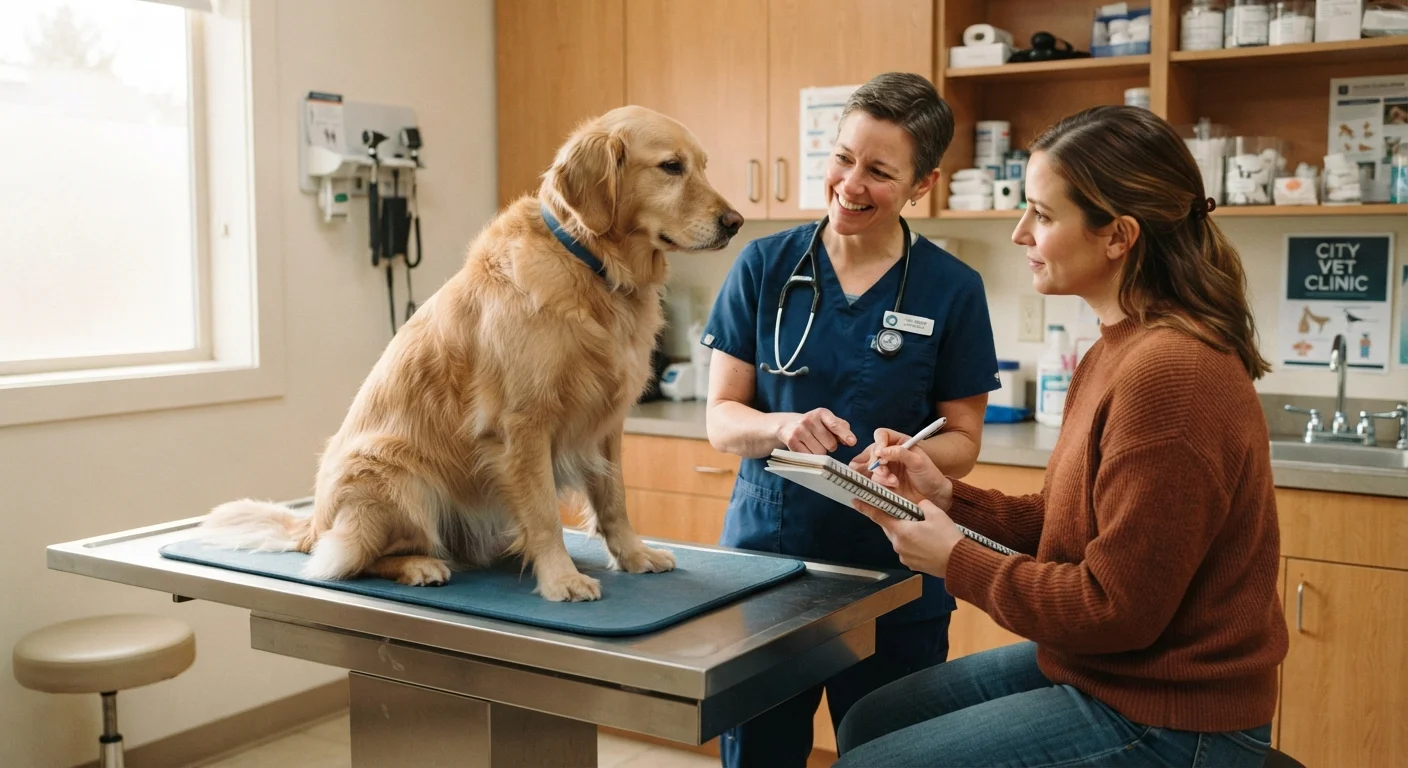
Adult dogs still need consistent exercise, mental stimulation, and annual veterinary care. Dental health often becomes a more active concern during this stage; many vets recommend professional cleanings every one to three years depending on the individual dog.
Understanding how dog aging actually works helps owners recalibrate expectations — the old "multiply by 7" rule significantly undersells how fast dogs mature in early life and how gradual the shift into senior status can be.
~18 months
Average age small breeds reach full maturity
Small and toy breeds typically reach social and physical adulthood earlier than large breeds, according to general veterinary consensus.
Age 6–7
When large breeds typically enter senior status
Despite shorter overall lifespans, large and giant breeds are generally classified as seniors earlier in life than small breeds.
2x/year
Recommended vet visit frequency for senior dogs
Most veterinarians recommend biannual wellness exams for senior dogs to allow earlier detection of age-related conditions.
Reading your dog's signals stays important throughout adulthood. Our practical field guide to dog body language can help you tune in to what your adult dog is communicating.
The Senior Stage: Slowing Down, Staying Connected
The transition to senior status is gradual, not sudden. You might notice a greying muzzle, less enthusiasm for long runs, or slightly stiffer movement after rest. These are normal signs of aging — not necessarily signs of illness — but they do call for adjusted care.
Senior dogs benefit from more frequent veterinary visits (typically every six months), dietary adjustments, and modified exercise that keeps joints mobile without causing pain. Cognitive changes — such as disorientation, disrupted sleep, or altered social behavior — can also emerge and are worth discussing with your vet.
For a detailed roadmap of what to expect and how to adapt, see our article on keeping an aging dog comfortable.
Where a senior dog lives and spends their time also shapes wellbeing. Indoor vs. outdoor arrangements carry different implications for older dogs — warmth, accessibility, and proximity to their family all matter more as dogs age.
This article is for general informational purposes only and does not constitute veterinary advice. Always consult a licensed veterinarian for guidance specific to your dog's health and life stage.