Why Breed and Size Shape Exercise Needs
No single exercise prescription fits every dog. A Border Collie and a Basset Hound may share the same yard, but their biological needs for movement differ enormously. Breed history — what a dog was originally developed to do — is one of the strongest predictors of energy level and stamina.
| Minimum daily exercise (most adult dogs) | 30–60 minutes (American Kennel Club general guidance) |
| High-energy breed daily need | 1.5–2+ hours (Veterinary behaviorist consensus) |
| Puppy exercise rule of thumb | 5 minutes per month of age, twice daily (Commonly cited by veterinary professionals) |
| Senior dog activity adjustment | Shorter, more frequent sessions recommended (General veterinary guidance) |
| Brachycephalic breed risk factor | High heat + exercise = elevated risk (Veterinary literature on breed-specific health) |
| Obesity prevalence in U.S. dogs | ~56% overweight or obese (Association for Pet Obesity Prevention, 2022 survey) |
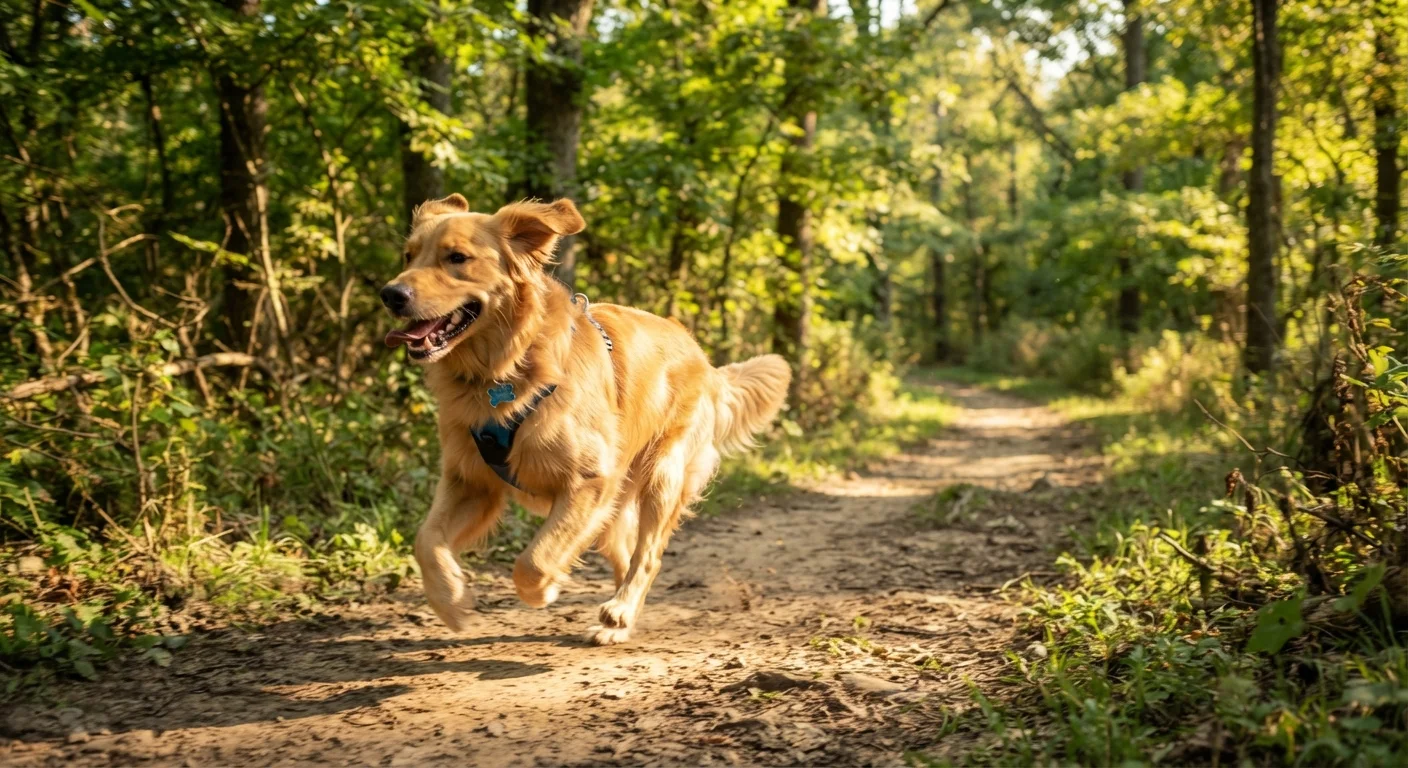
Working, herding, and sporting breeds (think Australian Shepherds, Vizslas, and Weimaraners) were built for sustained physical effort. Without adequate outlets, these dogs often channel excess energy into destructive or anxious behavior. Toy breeds and many companion breeds typically need far less vigorous activity, though they still benefit from daily walks and play sessions.
Size also plays a role, but not always in the way owners expect. Some large breeds, like the Greyhound, are sprinters by nature and do well with shorter bursts of activity followed by long rest periods. Some small breeds, like Jack Russell Terriers, have disproportionately high energy. Always look at breed type and history alongside size. See our guide to indoor vs. outdoor dog lifestyles for how living environment intersects with exercise needs.
Exercise Across Life Stages
A dog's exercise needs change substantially from puppyhood through senior years. Over-exercising a young puppy can stress developing growth plates, while under-exercising a healthy adult leads to weight gain and behavioral problems.
Always Consult Your Veterinarian
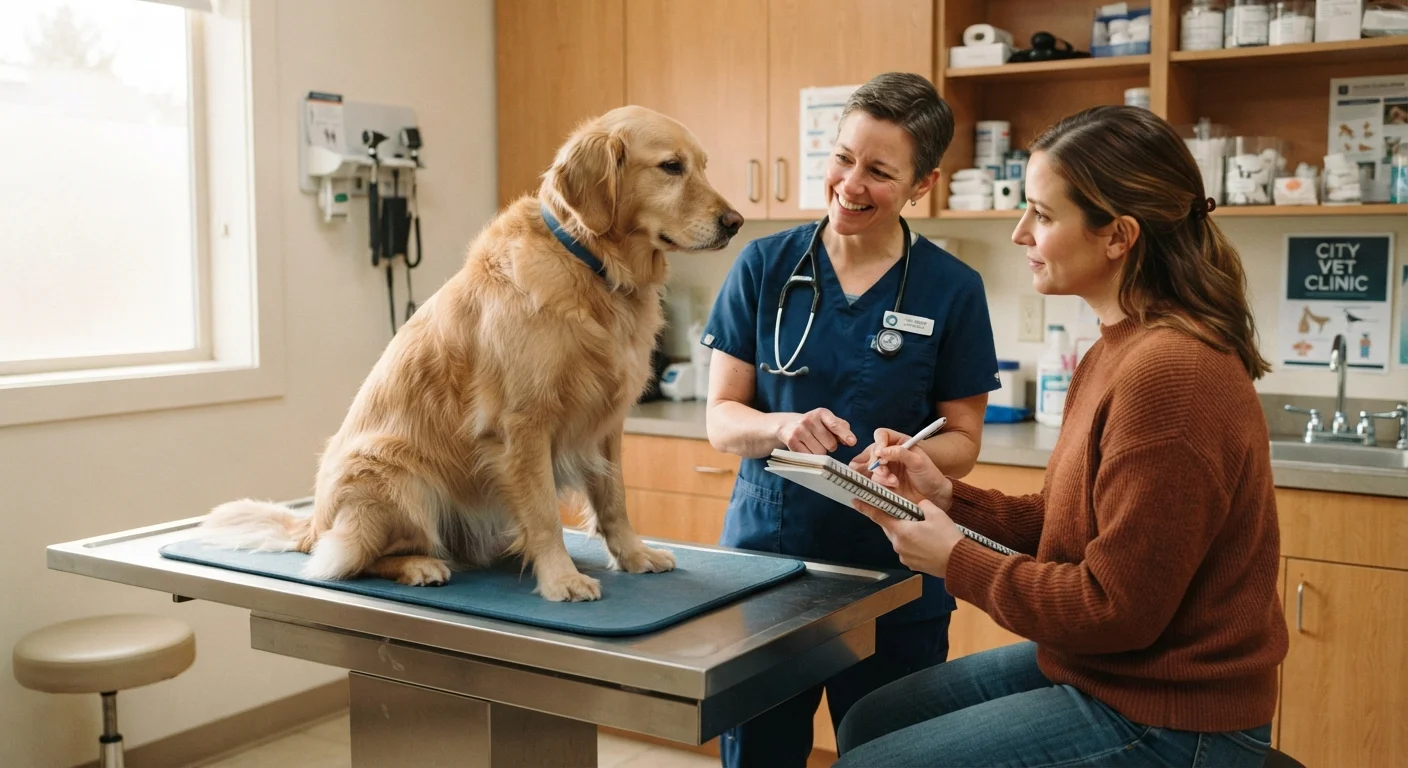
This article provides general educational guidance and is not a substitute for personalized veterinary advice. If your dog shows signs of exercise intolerance, joint pain, or sudden behavioral changes, schedule a veterinary exam. Dogs with heart conditions, orthopedic issues, or respiratory disease may require a customized activity plan.
Puppies (under 12 months): A widely used veterinary guideline is 5 minutes of exercise per month of age, twice daily. A 4-month-old puppy, for example, would do well with two 20-minute sessions. Avoid repetitive high-impact activities like long runs on hard surfaces until growth plates close — typically around 12–18 months depending on breed and size.
Adult dogs (1–7 years, varies by breed): Most adult dogs thrive on 30–60 minutes of activity daily, with high-drive breeds needing 90 minutes to 2+ hours. Mental stimulation — puzzle feeders, scent games, training sessions — supplements physical activity and is especially valuable for working breeds.
Senior dogs: Older dogs generally benefit from shorter, more frequent walks rather than long strenuous outings. Joint stiffness and reduced cardiovascular reserve are common. Our article on how dogs experience aging covers what physical changes to watch for and how to adjust daily care. You can also explore your dog's life stages for a broader look at shifting needs over time.
Breed-by-Breed Quick Reference
The table below summarizes general exercise ranges by breed category. These are starting points — individual dogs vary, and any health condition changes the picture.
Working group
A classification used by major kennel clubs for breeds historically developed to perform tasks like guarding, pulling sleds, or search and rescue. These dogs typically have high stamina and strong drive, requiring substantial daily exercise.
Brachycephalic
Describes dogs with shortened skull bones that produce a flat-faced appearance, such as Bulldogs and Pugs. This anatomy can restrict airflow and limit a dog's ability to tolerate intense or prolonged exercise, especially in heat.
Exercise intolerance
A condition in which a dog shows unusual fatigue, labored breathing, or reluctance to continue activity at a level that would normally be appropriate. It can signal underlying health issues and warrants a veterinary evaluation.
Mental stimulation
Activities that engage a dog's brain rather than just their body — such as puzzle feeders, scent work, or training sessions. For many breeds, mental stimulation is as important as physical exercise for overall well-being.
| Breed Category | Examples | Daily Exercise Range | Key Consideration |
|---|---|---|---|
| Herding breeds | Border Collie, Australian Shepherd | 90–120+ min | High mental stimulation need |
| Sporting breeds | Labrador, Golden Retriever, Weimaraner | 60–90 min | Love water and fetch activities |
| Working breeds | Siberian Husky, Boxer, Doberman | 60–120 min | Need structured activity |
| Terrier breeds | Jack Russell, Scottish Terrier | 45–60 min | Intense bursts; watch prey drive |
| Toy/Companion breeds | Chihuahua, Pomeranian, Shih Tzu | 20–30 min | Low endurance; short sessions ideal |
| Brachycephalic breeds | Bulldog, Pug, French Bulldog | 20–30 min (low intensity) | Avoid heat; monitor breathing |
| Hound breeds (sighthounds) | Greyhound, Whippet | 30–45 min | Sprint-rest pattern; off-leash risk |
56%
U.S. dogs classified as overweight or obese
According to the Association for Pet Obesity Prevention's 2022 clinical survey of companion animals.
2+ hours
Daily activity needed by high-drive working breeds
Veterinary behaviorists generally recommend this threshold for breeds like Border Collies and Siberian Huskies.
This article is for general informational purposes only and does not constitute veterinary medical advice. Consult a licensed veterinarian for guidance specific to your dog's health, breed, and individual needs.