When Does a Dog Become a Senior?
There's no single birthday when a dog suddenly becomes old, but veterinarians use size and breed lifespan as rough guides. Small dogs — those under 20 pounds — typically aren't considered senior until around age 10 or 11. Medium-sized dogs often cross that threshold closer to 8 or 9. Large and giant breeds, which have shorter overall lifespans, may be considered senior as early as age 6 or 7.
If you're curious about how your dog's age maps onto broader developmental stages, our guide on your dog's life stages puts the senior phase in helpful context. You might also explore what dog age in human years actually means — the research behind aging rates is more nuanced than most owners realize.
~80%
Dogs over 8 with some dental disease
The American Veterinary Dental College estimates that most dogs show signs of periodontal disease by age three, with prevalence increasing significantly into the senior years.
14–35%
Senior dogs affected by cognitive decline
Research published in veterinary literature suggests canine cognitive dysfunction affects a substantial proportion of dogs over age 11, with rates rising sharply with each year of age.
2x/year
Recommended vet visit frequency for seniors
Major veterinary organizations, including the American Animal Hospital Association, recommend biannual wellness exams for senior and geriatric dogs.
Physical Changes That Are Common in Senior Dogs
Aging dogs experience a range of physical shifts, many of which are gradual and easy to miss until they become noticeable. Here's what owners typically observe:
- Joint stiffness and reduced mobility: Arthritis is one of the most common conditions in older dogs. You may notice your dog hesitating before climbing stairs, moving more slowly after rest, or favoring one leg.
- Changes in coat and skin: The muzzle grays first, but the coat may also become coarser or thinner overall. Some older dogs develop benign fatty lumps called lipomas under the skin.
- Weight changes: Many senior dogs gain weight due to reduced activity and slower metabolism. Others lose muscle mass even when eating the same amount — a condition called sarcopenia that warrants veterinary attention.
- Sensory decline: Vision and hearing often diminish with age. A dog that seems to startle more easily or doesn't respond to commands from across the yard may be experiencing sensory changes, not disobedience.
- Dental disease: Periodontal disease accumulates over a lifetime. By the senior years, most dogs have some degree of dental disease, which can affect eating comfort and overall health.
Because care shifts meaningfully after age seven, it's worth proactively reviewing your dog's routine with your veterinarian rather than waiting for obvious symptoms.
Behavioral Changes and What They Can Signal
Changes in behavior are often the first thing owners notice — and sometimes the hardest to interpret. Some are simple adaptations to physical discomfort; others may reflect changes in the brain itself.
Keep a Simple Behavior Log
Changes in a senior dog's behavior can be subtle and easy to dismiss as 'just aging.' Keeping a brief weekly note — how much your dog sleeps, their appetite, any accidents, any confusion — gives your veterinarian useful pattern data. Many cognitive and pain-related changes become clearer when tracked over time rather than recalled from memory at an annual appointment.
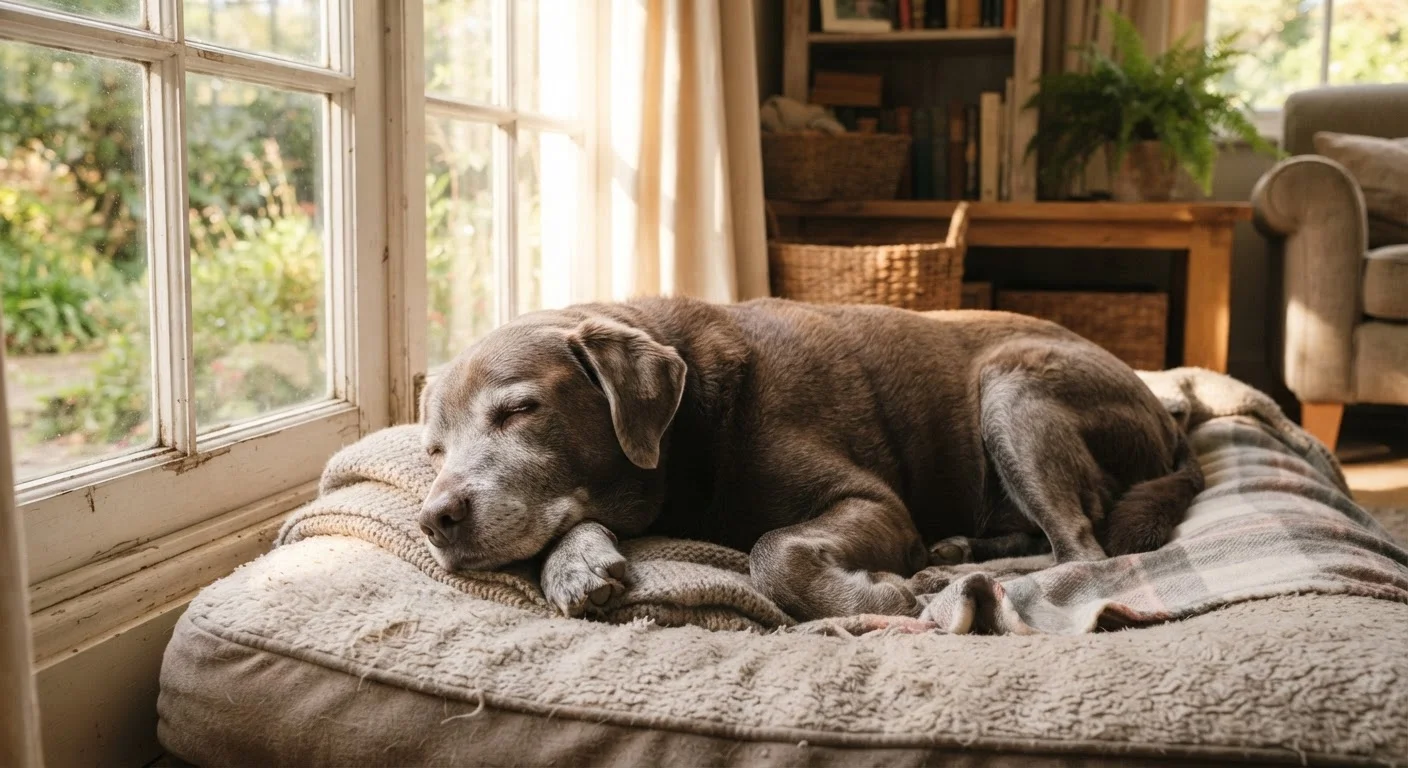
Sleep patterns: Senior dogs sleep more than younger adults. This is generally normal, but a dramatic increase combined with disinterest in food or interaction is worth discussing with a vet.
Increased anxiety: Some older dogs become more anxious, clingy, or noise-sensitive. This can stem from sensory loss (a dog that can't hear well may feel more vulnerable), pain, or early cognitive changes.
Canine Cognitive Dysfunction (CCD): Sometimes called doggy dementia, CCD involves changes in memory, learning, and awareness. Signs include disorientation in familiar spaces, disrupted sleep-wake cycles, reduced interest in interaction, and accidents in dogs that were previously housetrained. CCD is a medical condition — not a behavior problem — and should be evaluated by a veterinarian.
Social withdrawal: Some senior dogs become less interested in play or greeting visitors. Others remain highly social throughout old age. Individual personality plays a significant role. If your dog has relied on social interaction throughout their life, our article on socializing adult dogs covers how social needs can evolve.
Aggression May Have a Physical Cause
If an older dog that was previously gentle becomes snappy or irritable — especially when touched in specific areas — pain is often the underlying reason. Arthritis, dental pain, or an undetected injury can make a dog defensive about being handled. Don't assume a personality shift in a senior dog is simply behavioral; a veterinary exam can rule out a physical cause.
Adjusting Care to Support an Aging Dog
Meeting a senior dog where they are — physically and behaviorally — makes a meaningful difference in their comfort and happiness.
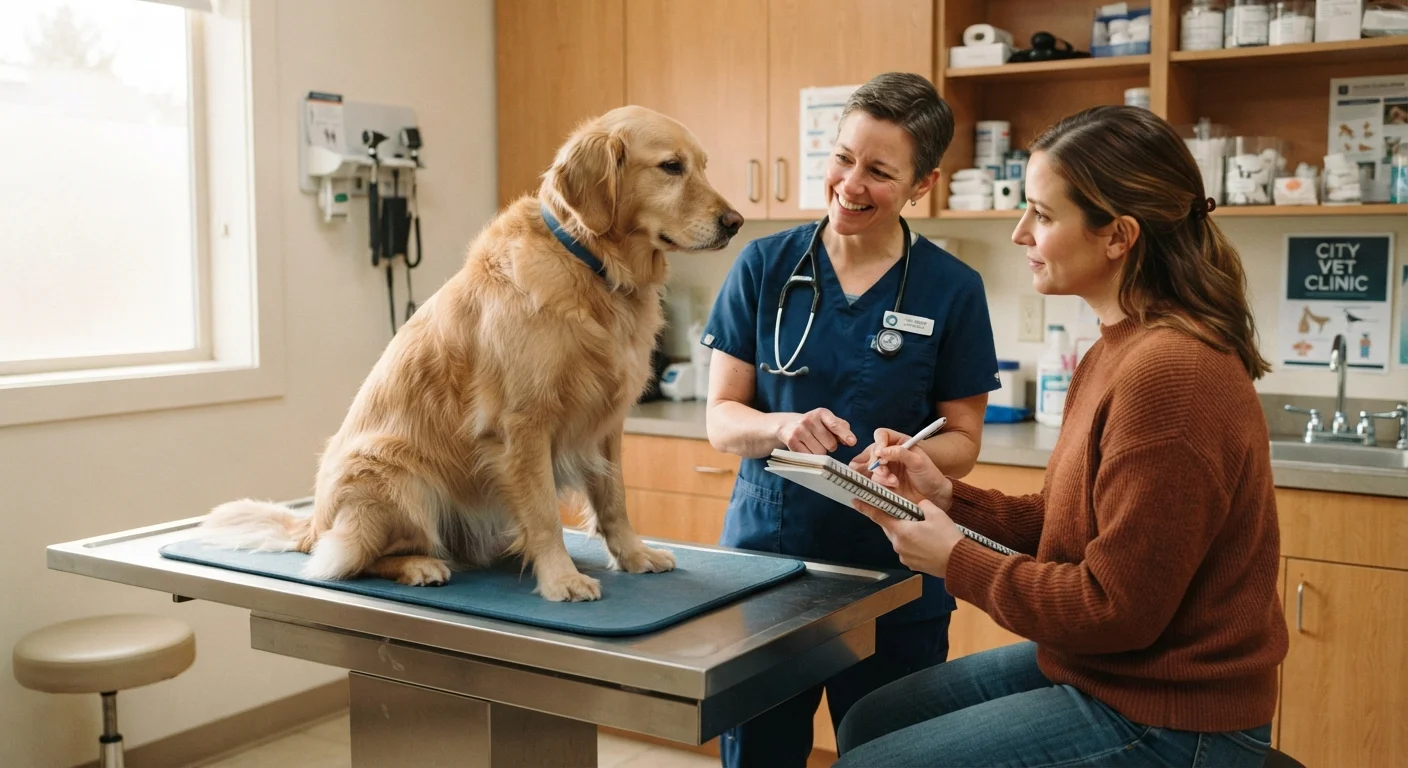
- Vet visits: Move to twice-yearly wellness exams if you haven't already. Bloodwork and urinalysis can detect kidney disease, thyroid changes, and diabetes before symptoms appear.
- Exercise: Don't stop activity — adapt it. Shorter, more frequent outings, swimming, or gentle play sessions can maintain muscle and mental engagement. See our breed-by-breed exercise framework for guidance on appropriate activity levels as dogs age.
- Nutrition: Senior-formulated foods are often lower in calories and adjusted for protein and joint-supporting nutrients. Discuss any diet changes with your vet before switching.
- Home environment: Non-slip rugs on hard floors, orthopedic dog beds, raised food and water bowls, and ramps in place of stairs can all reduce daily strain. Small adjustments add up.
- Mental enrichment: Puzzle feeders, scent games, and short training sessions keep the brain active, which may help slow cognitive decline.
This article is for general informational purposes only and is not a substitute for professional veterinary advice. Always consult a licensed veterinarian for guidance specific to your dog's health and needs.