When Does a Dog Become a Senior?
Age seven is widely used as the threshold for senior dog status, but the reality is more nuanced. Large and giant breeds — think Great Danes and Bernese Mountain Dogs — often show signs of aging closer to age five or six. Small breeds, by contrast, may not show significant age-related changes until age nine or ten. Your veterinarian can help you assess where your individual dog falls based on size, breed, and current health markers.
Understanding your dog's biological age, not just calendar age, is the first step toward making the right care adjustments at the right time. For a deeper look at what's actually happening inside your dog's body during this transition, see how dogs experience aging physically and behaviorally.
Core Care Practices for Senior Dogs
The following practices reflect widely accepted veterinary guidance for supporting aging dogs. They aren't one-size-fits-all — always discuss changes with your vet before implementing them.
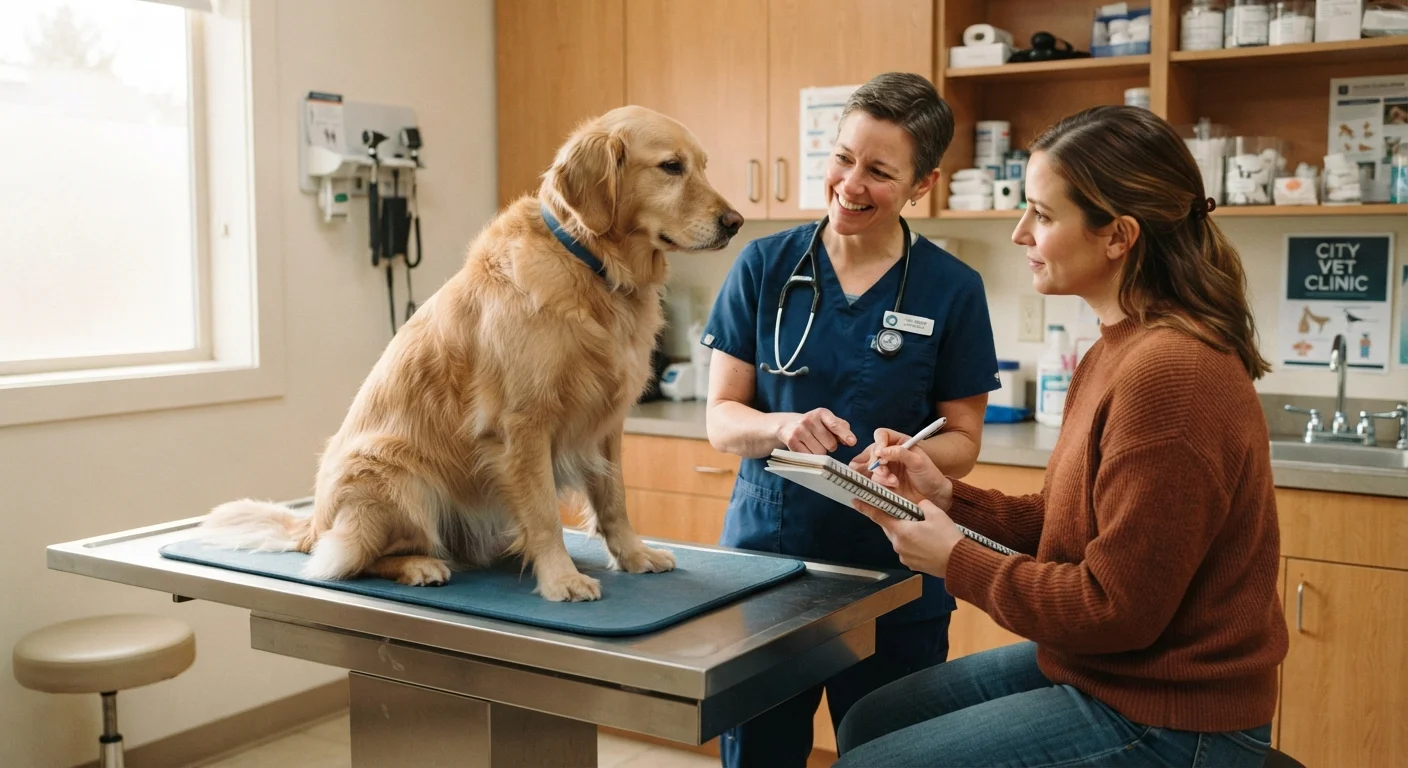
Schedule veterinary checkups every six months rather than annually.
Age-related conditions such as arthritis, kidney disease, dental disease, and hypothyroidism can progress quickly in senior dogs. More frequent exams allow earlier detection and intervention, which generally means better outcomes and more options for management.
Transition to a senior-appropriate diet based on your vet's recommendation.
Caloric needs, protein requirements, and joint-supporting nutrients shift as dogs age. Many senior dogs benefit from formulas with adjusted fat content and added omega-3 fatty acids, but individual needs vary significantly based on weight, kidney function, and other factors.
Adjust exercise to match your dog's current mobility and energy level.
Older dogs still need regular physical activity, but high-impact exercise can worsen joint pain or cause injury. Shorter, more frequent walks on softer surfaces are gentler on aging joints while still supporting healthy weight and cardiovascular function.
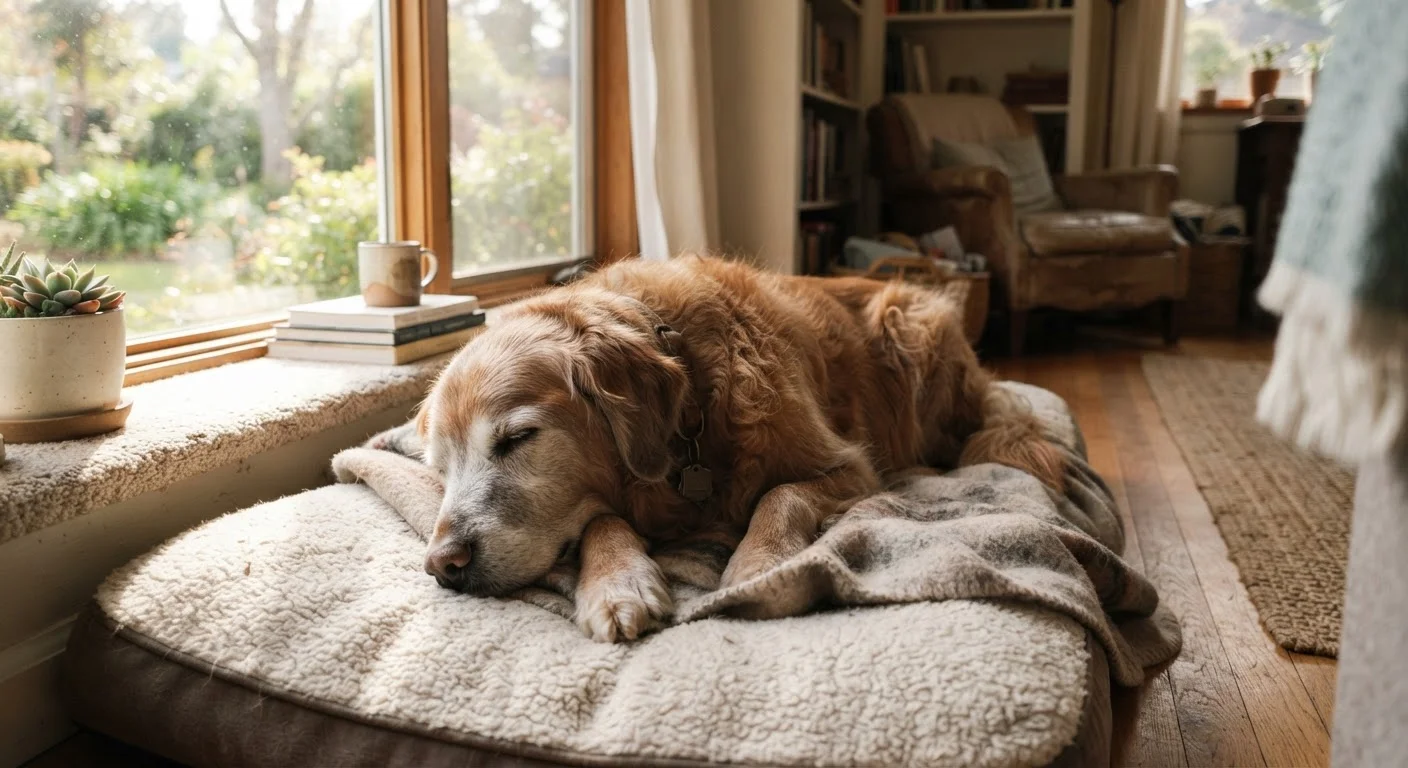
Improve home comfort with orthopedic bedding and accessible setups.
Aging joints make hard floors and high furniture increasingly uncomfortable or painful. Small environmental changes reduce the daily physical stress your dog experiences and can significantly improve sleep quality and overall comfort.
Maintain dental care as a consistent part of your dog's routine.
Dental disease is extremely common in senior dogs and can contribute to pain, difficulty eating, and systemic health complications if bacteria enter the bloodstream. Regular brushing and periodic professional cleanings support overall health, not just oral health.
Provide regular mental stimulation suited to your dog's current abilities.
Cognitive function can decline in older dogs, but mental engagement — through sniff-based games, food puzzles, or simple training — may help maintain sharpness and reduce anxiety. A mentally engaged dog is generally a more content dog.
Quick Wins You Can Act on Today
Not every improvement requires a vet visit or an overhaul. Some of the most meaningful adjustments for senior dogs are simple and immediate.
Make the Environment Work for Your Dog
Small physical adjustments at home can have an outsized impact on a senior dog's daily comfort. Ramps or pet stairs near furniture, raised food bowls, and soft bedding placed away from cold drafts are low-cost changes that many owners notice make a visible difference. Ask your vet which modifications are most relevant to your dog's specific conditions.
Watching for Signs That Something Has Changed
Behavioral shifts are often the first visible clue that a senior dog is uncomfortable or unwell. Increased sleeping, reluctance to climb stairs, reduced appetite, or apparent confusion in familiar settings can all signal emerging health concerns. Cognitive dysfunction syndrome — sometimes compared informally to dementia in dogs — can cause disorientation, altered sleep patterns, and changes in how a dog interacts with family members.
~65%
Senior dogs affected by dental disease
Veterinary dental health organizations estimate that a large majority of dogs over age three show signs of dental disease, a figure that rises significantly in senior populations.
1 in 3
Dogs over 11 showing cognitive decline signs
Research published in veterinary literature suggests cognitive dysfunction syndrome affects a significant proportion of dogs in their later senior years, though it is often underdiagnosed.
Keeping a simple log of changes in appetite, mobility, sleep, and behavior between vet visits gives your veterinarian concrete, useful information. Because senior dogs often hide discomfort instinctively, your attentive observation at home is a genuine diagnostic tool.
Socialization also remains relevant in the senior years. A less mobile dog may need gentler, quieter interactions, but continued engagement with people and familiar animals supports emotional well-being. For practical guidance, see socializing an adult dog: what changes and what stays the same.
This article is for general informational purposes only and is not a substitute for professional veterinary advice. Always consult a licensed veterinarian for guidance specific to your dog's health needs.