What Each Format Actually Is
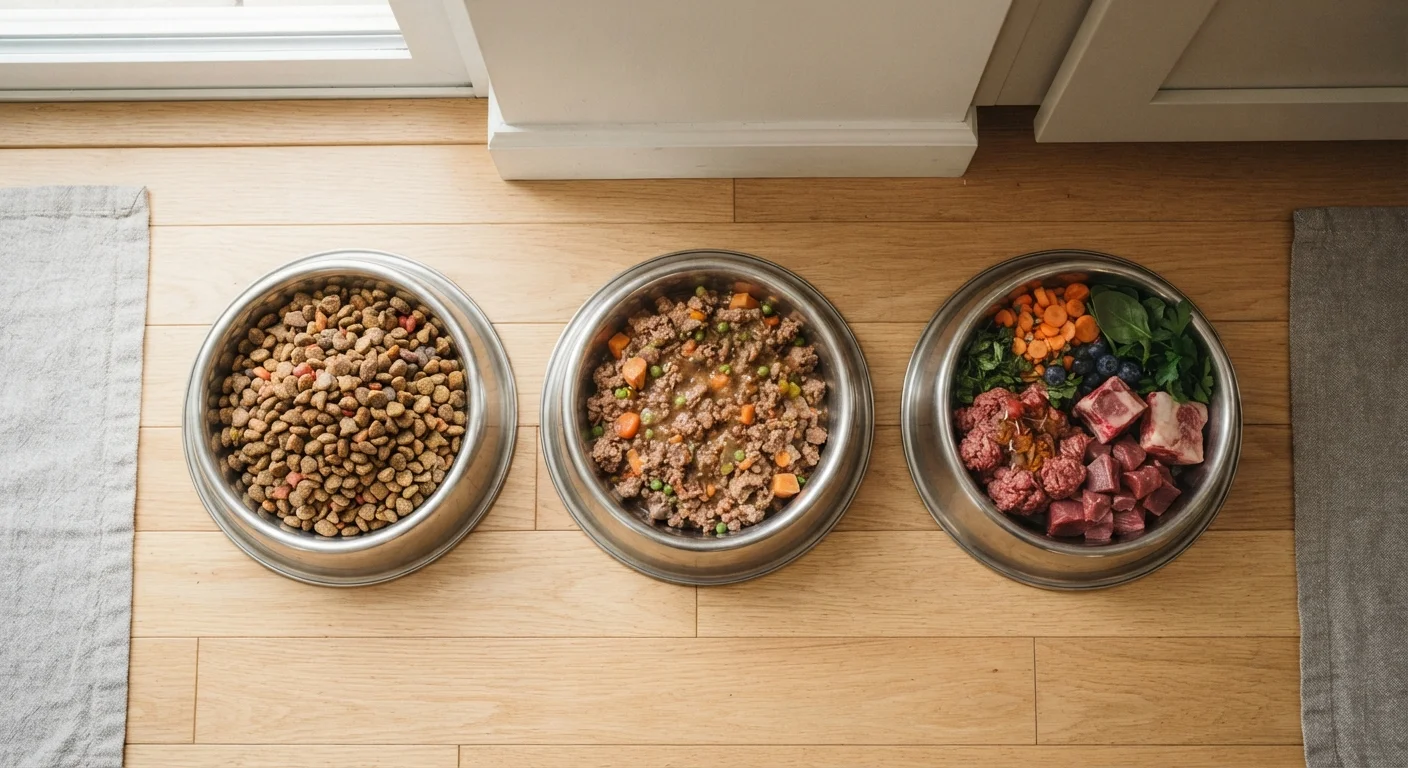
Dog food broadly falls into three commercial formats: dry (kibble), wet (canned or pouched), and raw (either commercially prepared or home-assembled). Each undergoes a different manufacturing process, which affects moisture content, nutrient density, shelf stability, and cost.
Dry kibble is extruded or baked at high temperatures, reducing moisture to roughly 10% or less. This gives it a long shelf life and concentrated calorie density. Wet food is cooked in a sealed container, retaining 70–80% moisture — closer to the water content of whole prey. Raw diets typically consist of uncooked muscle meat, organs, raw meaty bones, and sometimes fruits or vegetables; they may be commercially frozen or freeze-dried, or assembled at home.
Understanding how your dog's nutritional needs shift across life stages is a useful starting point before evaluating any format.
Dry Food: The Baseline Most Dogs Are Fed
Kibble dominates the U.S. pet food market for practical reasons: it's shelf-stable, portion-consistent, and spans a wide price range. Decades of formulation research mean commercially prepared dry foods from reputable manufacturers are generally nutritionally complete when labeled as meeting AAFCO (Association of American Feed Control Officials) standards.
One commonly cited concern is dental health. Some evidence suggests that the mechanical action of chewing dry kibble may reduce tartar buildup compared with soft foods, though the effect is modest and no substitute for regular dental care. Dogs prone to bloat (gastric dilatation-volvulus), particularly large deep-chested breeds, may be advised by their vet to avoid eating very rapidly from large kibble portions — but format alone is not the determining factor.
Check the AAFCO Statement First
Before evaluating any dog food's ingredients or marketing claims, find the nutritional adequacy statement on the label. It should confirm the food is "complete and balanced" for your dog's life stage according to AAFCO standards. If that statement is absent or says "intended for intermittent or supplemental feeding only," the product should not be a dog's sole diet.
Dry food does have real limitations in moisture content. Dogs who eat exclusively kibble may drink less water than those on wet diets, which can matter for dogs with urinary tract issues or kidney concerns. Your vet can advise whether supplemental hydration strategies are worthwhile.
Wet Food: Palatability and Hydration
Wet food is often more palatable for picky eaters and dogs with dental pain, making it valuable for seniors or dogs recovering from illness. Its higher moisture content contributes to overall fluid intake, which veterinarians sometimes recommend for dogs managing urinary crystals or early kidney disease.
The trade-offs include cost (wet food is typically more expensive per calorie than dry), shorter open-can shelf life (usually 2–3 days refrigerated), and a higher caloric variability that requires attention to avoid overfeeding. Because wet food is softer, it does not provide the mechanical abrasion that dry food may offer for teeth — dental hygiene routines become more important.
| Dry Kibble | Wet Food | Raw Diet | |
|---|---|---|---|
| Moisture content | ~10% or less | ~70–80% | ~60–75% (varies) |
| Shelf stability | Months to years (sealed) | 2–3 days once opened | Frozen; short once thawed |
| Typical cost per day | Lower | Moderate to high | High |
| Food-safety risk | Low | Low | Elevated (bacterial contamination) |
| Nutritional completeness (commercial) | Well-established if AAFCO-labeled | Well-established if AAFCO-labeled | Variable; review labeling carefully |
| Preparation time | Minimal | Minimal | Significant |
| Palatability for picky dogs | Moderate | High | High |
Mixing wet and dry food is a common strategy. If you do this, calculating combined calorie totals matters — each format's feeding guidelines assume it's the sole diet. Overfeeding is a real risk when combining without adjusting portions.
Raw Diets: What the Evidence Actually Shows
Raw feeding has a vocal following, often motivated by the idea that an ancestral or minimally processed diet is inherently healthier. The evidence is more complicated than either proponents or critics often acknowledge.
The clearest documented concern is food safety. Multiple veterinary and public health organizations — including the American Veterinary Medical Association (AVMA) and the U.S. Centers for Disease Control and Prevention (CDC) — have noted that raw meat-based diets carry elevated risk of bacterial contamination (Salmonella, Listeria, E. coli) that can affect both dogs and the humans handling their food. This risk is particularly relevant in households with immunocompromised individuals, young children, or elderly family members.
Nutritional completeness is a second concern. Commercially prepared raw diets vary widely in formulation quality, and home-assembled raw diets frequently fall short of complete and balanced nutrition unless carefully designed with professional guidance. Dogs eating nutritionally incomplete diets over time can develop deficiencies or imbalances, which may not be obvious until health problems emerge.
Raw Diets and Household Food Safety
Handling raw meat-based pet food carries documented risks of bacterial contamination that extends beyond your dog. The AVMA and CDC recommend particular caution in households with young children, pregnant individuals, elderly adults, or anyone who is immunocompromised. Thorough handwashing, dedicated utensils, and careful surface sanitation are essential if you choose to feed raw.
If you're weighing raw feeding alongside other lifestyle decisions, it's worth reading about what different dog living arrangements actually require — food-safety practices intersect with how and where your dog spends time.
How to Make the Call for Your Dog
The honest answer is that no single format is right for every dog. Key factors to weigh include:
- Life stage: Puppies, pregnant or nursing dogs, and seniors have distinct nutritional requirements. Look for foods formulated for your dog's specific stage, or labeled "all life stages."
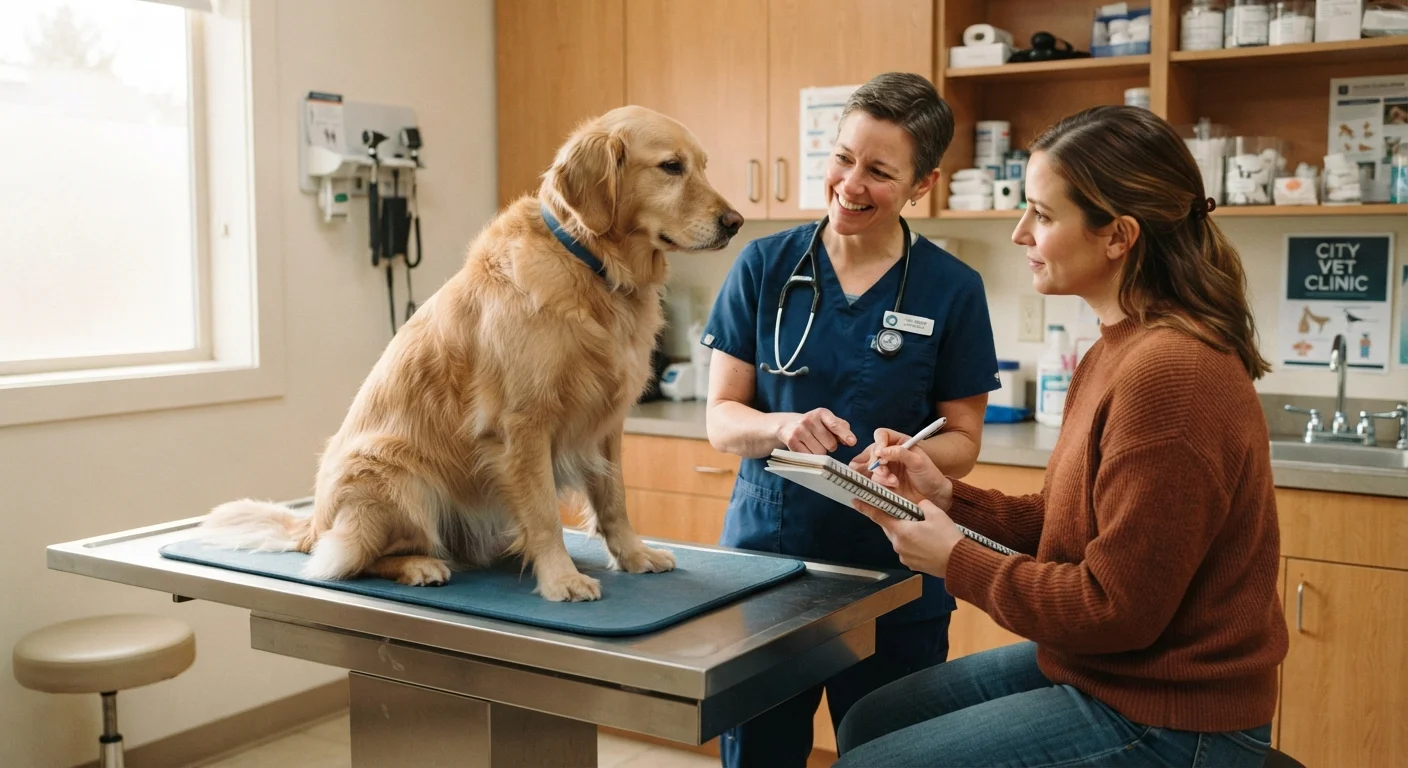
- Health conditions: Kidney disease, urinary issues, food allergies, dental disease, and weight concerns all point toward different dietary priorities. A veterinarian or board-certified veterinary nutritionist is the right resource here — not marketing claims on packaging.
- Practical capacity: Raw feeding done safely requires significant time, freezer space, careful sourcing, and rigorous hygiene. If those aren't realistic for your household, it's not the right choice regardless of its theoretical merits.
- Budget: Wet and raw diets cost meaningfully more per day than dry for most dogs. This is a legitimate factor in a sustainable feeding plan.
Whatever format you settle on, the AAFCO nutritional adequacy statement on the label is your minimum quality checkpoint for any commercially prepared food. For home-prepared diets of any kind, consultation with a veterinary nutritionist is strongly recommended rather than relying on online recipes.
This article is for general informational purposes only and is not a substitute for professional veterinary advice. Always consult your veterinarian about your individual dog's dietary needs.