Why Dogs Hide Pain
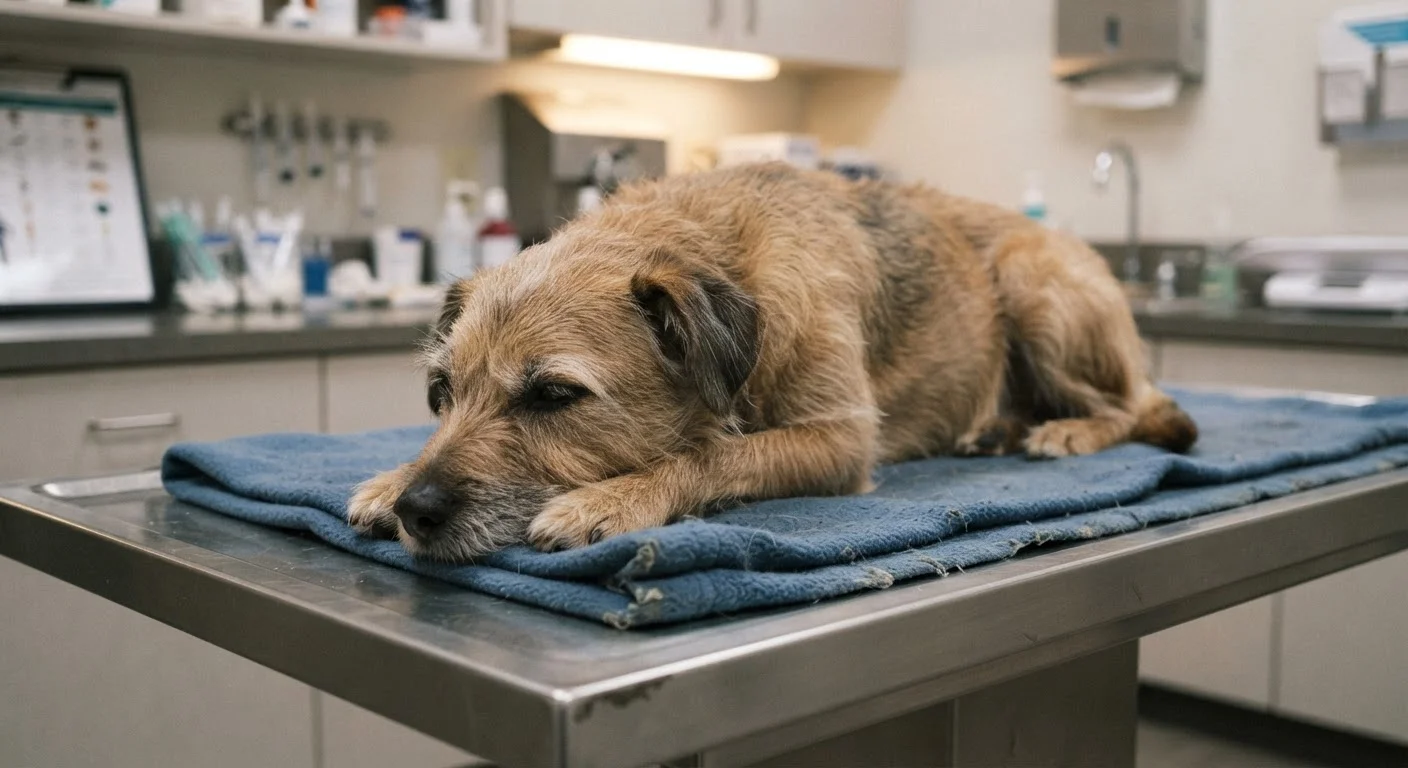
Dogs are descended from animals that concealed weakness to survive in the wild. That instinct hasn't disappeared. Even a well-loved family dog may suppress obvious signs of discomfort until pain becomes significant. This means owners need to be proactive observers, not just reactive ones.
Pain signals in dogs tend to be behavioral first and physical second. A dog may stop jumping onto the couch, become snippy when touched, or lose interest in walks before showing any outward limping or swelling. Learning to read these cues early is one of the most practical things a dog owner can do. For a broader look at how posture and movement communicate health, see our practical field guide to dog body language.
Guarding behavior
When a dog protects a painful area by flinching, moving away, or snapping when that spot is touched or approached. It is one of the most reliable localized indicators of pain.
Referred pain
Discomfort felt in a location other than where the injury or condition originates. In dogs, this can make identifying the true source of pain difficult without veterinary examination.
Acute pain
Pain that comes on suddenly, typically in response to injury, surgery, or a new condition. It is usually more visible and easier to detect than chronic pain.
Chronic pain
Persistent, long-term discomfort — often associated with conditions like arthritis or dental disease. Dogs may adapt their behavior gradually, making it harder for owners to notice.
Key Behavioral Signs of Pain
Behavioral changes are usually the earliest indicators that something is wrong. Watch for any of the following:
- Withdrawal or hiding: A dog that seeks out corners, avoids interaction, or stops greeting you at the door may be uncomfortable.
- Irritability or aggression: Snapping, growling, or reacting when touched in a specific area — especially from a typically gentle dog — often signals localized pain.
- Decreased activity: Reluctance to climb stairs, play, or go on walks they normally enjoy.
- Changes in sleep patterns: Restlessness, difficulty settling, or sleeping far more than usual.
- Appetite changes: Eating significantly less, or discomfort while chewing, may point to dental or systemic pain.
- Excessive licking or chewing: Dogs often focus on the area that hurts — licking a paw, shoulder, or flank obsessively is worth noting.
Many of these cues are subtle enough to be overlooked. Our companion article on frequently missed pain signs in dogs covers additional nuances worth reading.
Physical Signs to Look and Feel For
Beyond behavior, some physical signs of pain are visible or detectable on examination:
~80%
Dogs over 8 showing signs of joint pain
Veterinary estimates suggest the majority of senior dogs experience some degree of osteoarthritis, often undiagnosed by owners.
1 in 5
Adult dogs affected by dental disease causing pain
Dental pain is among the most underrecognized sources of discomfort in dogs, according to veterinary dental specialists.
67%
Dog owners who notice behavioral change before physical signs
Surveys of pet owners suggest most first observe a change in demeanor or activity rather than a visible physical symptom.
- Postural changes: Hunching the back, tucking the abdomen, or holding one leg off the ground.
- Facial tension: Squinting, ears held back flat, or a tightened muzzle can indicate discomfort.
- Changes in breathing: Shallow, rapid, or labored breathing when at rest — not after exercise — can signal significant pain.
- Trembling or shaking: Shivering unrelated to cold or anxiety may point to pain, especially in older dogs.
- Swelling or heat: Localized swelling, warmth, or tenderness when you gently touch a joint or area of the body.
- Gait changes: Limping is obvious, but also watch for subtle stiffness after lying down, a shortened stride, or weight shifting.
This article provides general information only and is not a substitute for veterinary advice. If you notice any of these signs in your dog, contact your veterinarian promptly.
When to Call Your Vet
Some situations require urgent veterinary attention. Call your vet or an emergency clinic right away if your dog:
- Is unable to stand, walk, or bear weight on a limb
- Cries out or yelps when touched or during normal movement
- Shows sudden, severe changes in behavior or coordination
- Has labored breathing, pale gums, or a distended abdomen
For non-emergency concerns — gradual stiffness, subtle behavior changes, mild limping that resolves — schedule a routine veterinary appointment rather than waiting to see if it resolves on its own. Pain that appears minor can escalate or indicate an underlying condition that benefits from early diagnosis.
Never Give Human Pain Medications to Dogs
Common over-the-counter pain relievers — including ibuprofen, acetaminophen, and naproxen — are toxic to dogs and can cause kidney failure, liver damage, or death even in small doses. Only use medications prescribed or approved specifically for your dog by a licensed veterinarian.
If you have a cat showing similar concerns, the signs a cat may be in pain article covers feline-specific cues to watch for.