Why the Introduction Process Matters
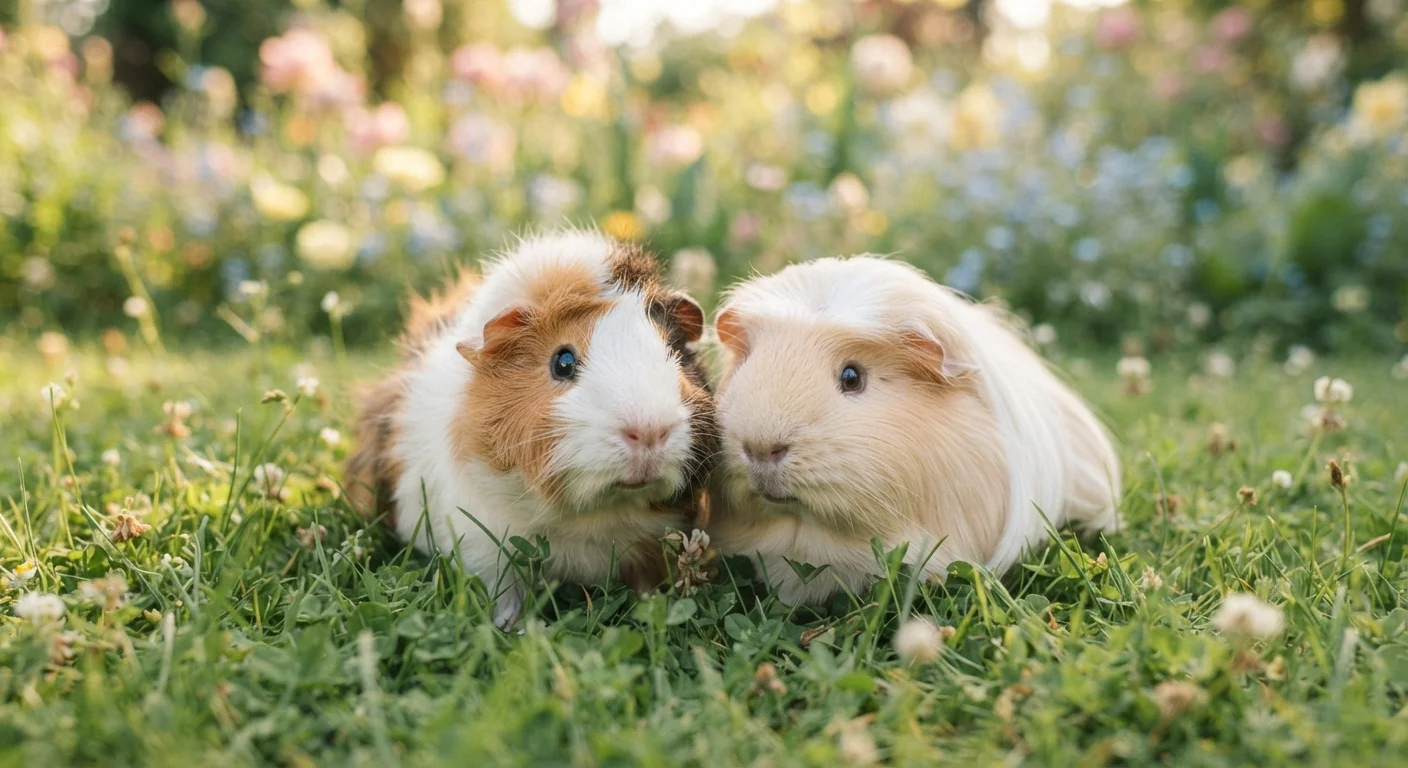
Guinea pigs (Cavia porcellus) are highly social animals that thrive in the company of their own kind. In the wild, they live in groups and rely on social bonds for security and well-being. Keeping a single guinea pig is possible, but most animal welfare organizations recommend housing them in pairs or small groups whenever feasible.
The challenge is that guinea pigs are also territorial. Dropping a new animal directly into an established enclosure can trigger aggression, stress, and in serious cases, injuries that require veterinary attention. A structured bonding process reduces these risks dramatically by letting both animals establish a hierarchy at their own pace, in a setting that feels neutral to each of them.
Understanding how to handle small animals without stressing them out is also important before you begin — calm, confident handling during introductions reduces anxiety for both pigs.
What you will need
What You'll Need Before You Start
Preparation is half the work. Before scheduling your first introduction session, make sure you have everything in place so you're not scrambling mid-meeting.
Neutral play pen or exercise run
Provides a fresh space that neither pig considers its territory, reducing defensive aggression.
Multiple food and water stations
Prevents one pig from guarding resources and forcing the other away from food or water.
Fleece bedding or towels
Lines the neutral space and can be swapped between cages beforehand to help guinea pigs get used to each other's scent.
Thick gloves
Protects your hands if you need to separate two pigs during a dispute.
A second person to assist
Helps manage both animals simultaneously if a separation becomes necessary mid-session.
It's also worth noting that the combination of guinea pigs you're pairing affects difficulty. Same-sex pairs (especially two females or a neutered male with a female) are typically easiest. Two uncastrated males can bond, but it takes more patience. Mixed-sex pairs where the male is not neutered will result in breeding, which requires careful management.
The Step-by-Step Introduction Process
Work through these steps at whatever pace your guinea pigs need. There's no set timeline — some pairs click within an hour, others need daily sessions over several weeks. Patience is the most valuable tool you have.
Scent swap before the first meeting
At least three to five days before the first face-to-face introduction, exchange a handful of used bedding between each pig's enclosure. Place the foreign-scented material in a corner of each cage. This lets both animals get used to the other's smell in their own safe space, without the pressure of physical proximity.
Clean and set up the neutral meeting space
Thoroughly clean the pen or enclosure you'll use for introductions so it carries no scent from either pig. Set up multiple food piles, two water sources, and several hides or tunnels. Remove any single-entrance hides where one pig could corner the other — open-ended tunnels or half-pipes are safer choices.
Place both guinea pigs in the neutral space simultaneously
Lower both pigs into the neutral space at the same time from opposite sides. Do not hold one pig while the other explores — this can make the held pig feel trapped. Sit back, stay calm, and observe. Let them approach each other on their own terms.
Allow dominance behavior and monitor closely
Expect rumblestrutting, mounting, and occasional chasing during the first session. As long as neither pig is injured and both are able to disengage and retreat, allow these behaviors to play out. Intervening too early can reset the hierarchy-building process and prolong bonding. Sessions should last 20–30 minutes initially.
Return each pig to its own enclosure and repeat daily
After each session, return the guinea pigs to their separate enclosures. Continue daily neutral-space meetings, gradually increasing session length as tension decreases. Signs that bonding is progressing include side-by-side eating, mutual grooming, and relaxed body language (soft eyes, loose posture).
Move both pigs into a freshly cleaned shared enclosure
Once the guinea pigs are consistently calm and displaying affiliative (friendly) behaviors during sessions, you can move them into a shared home. Deep-clean the permanent enclosure first so it smells neutral to both pigs. Rearrange any furniture or accessories so the space feels new to the resident pig as well.
Bonding Takes as Long as It Takes
There's no standard timeline for guinea pig bonding. Rushing the process by moving to a shared enclosure before both pigs are consistently relaxed around each other can undo weeks of progress. Trust the behavior you're seeing over any fixed schedule.
Reading the Room: Normal vs. Concerning Behavior
During introductions, expect some posturing. These behaviors are normal parts of establishing hierarchy and do not mean the bonding has failed:
- Rumblestrutting: A low, vibrating vocalization paired with a swaying walk — this is dominance display, not aggression.
- Mounting: Can occur between same-sex pairs as a dominance behavior. Not necessarily sexual.
- Chasing: Short bursts of one pig chasing another are typical early on.
- Teeth chattering from a distance: A warning signal, but manageable if it doesn't escalate.
Separate the guinea pigs immediately if you observe any of the following:
- Biting that draws blood or leaves wounds
- Relentless, sustained chasing with no breaks
- One pig pinning the other and not releasing
- Loud, distressed squealing combined with frantic escape attempts
Never Leave Introductions Unsupervised
Even a pair that seems to be getting along well can have a sudden conflict. Always stay present and watchful for the entire duration of every introduction session. Do not leave the room, even briefly. Unsupervised introductions that go wrong can result in serious injuries.
If injuries occur, consult a veterinarian familiar with small animals. You can also use this reference guide for signs of illness in small pets to monitor both guinea pigs for stress-related symptoms in the days following introductions.
This article provides general husbandry guidance for educational purposes only and is not a substitute for advice from a qualified exotic animal veterinarian.