Why Handling Technique Matters More Than You Think
Small pets are prey animals by nature. Rabbits, guinea pigs, hamsters, and many birds are hardwired to interpret sudden movements, tight grips, and elevation as threats. Even a well-meaning owner can trigger a genuine fear response — elevated heart rate, frantic struggling, or freezing in place — simply by picking up their pet incorrectly.
Chronic stress from repeated poor handling isn't just uncomfortable for your animal. It can suppress immune function, reduce appetite, and contribute to behavioral problems over time. If your small pet seems to dread being held, the handling approach itself may be the issue. Learning the right technique is one of the most impactful things you can do for their wellbeing — and it's worth revisiting even if you've owned small animals for years.
For a broader look at keeping your pet's environment safe before handling even begins, see our room-by-room pet safety checklist.
“Prey animals don't experience the world the way we do — every unfamiliar touch or sudden lift is a potential predator event. Our job as caretakers is to make handling feel predictable and safe, not stimulating.”
— A small animal veterinary behaviorist, Specialist in exotic and small mammal behavior
Species-Specific Handling: What You Need to Know
There is no single universal technique for handling small animals. The right approach varies significantly by species, and understanding those differences prevents harm.
Always scoop rabbits from below, supporting their full hindquarters
Rabbits have powerful hind legs and a delicate spine. If they kick out while being held without hindquarter support, they can fracture their own back — a life-threatening injury. Supporting the full body from underneath prevents this and makes the animal feel secure rather than suspended.
Let hamsters walk onto your hand rather than grabbing them from above
A hand descending from above mimics a predator strike, triggering a bite or freeze response in hamsters. Allowing them to approach voluntarily gives them a sense of control and dramatically reduces defensive biting, especially in animals that haven't been handled much.
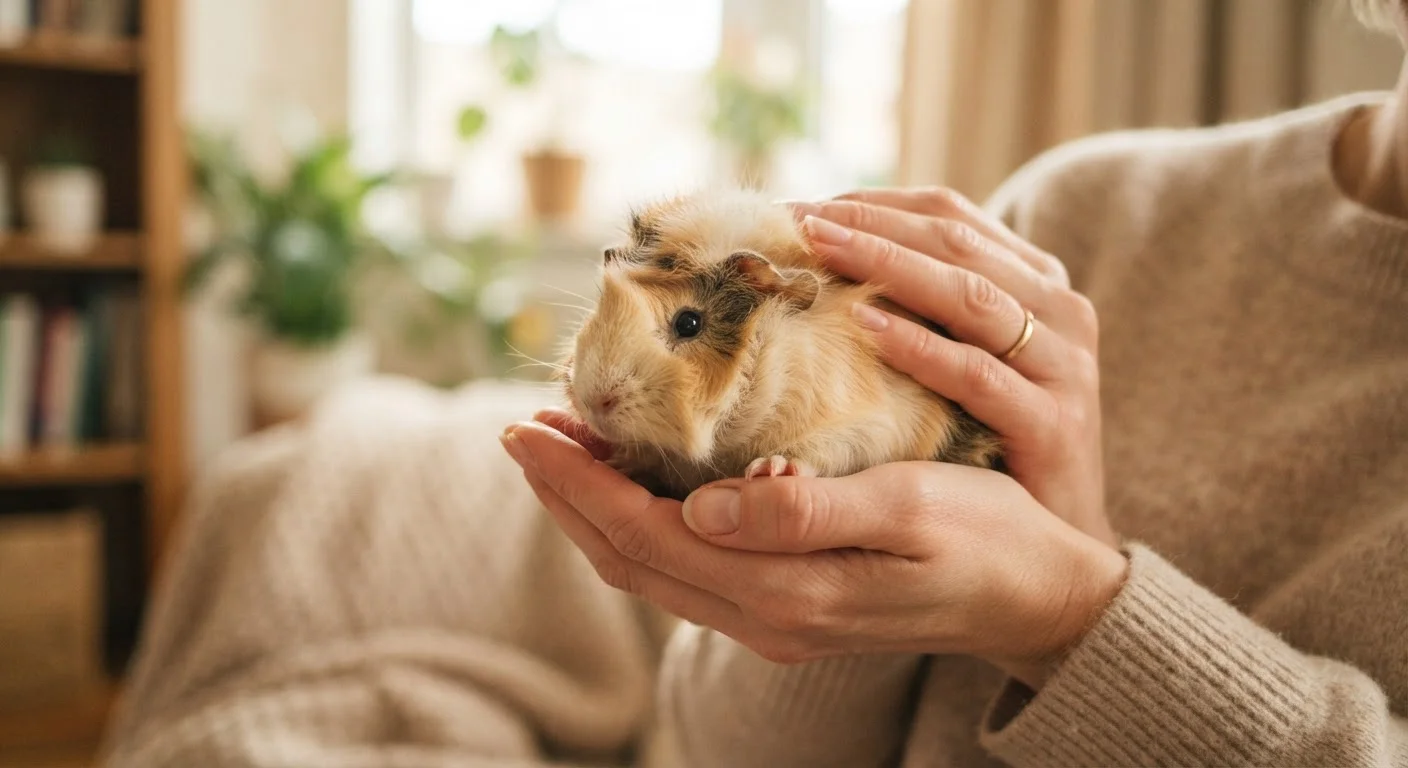
Handle guinea pigs at floor level or very close to a stable surface
Guinea pigs have little sense of depth and become extremely anxious when elevated. A fall from even a modest height can cause fractures. Keeping sessions low to the ground reduces the risk of injury and keeps the animal calm enough to actually enjoy contact.
Approach pet birds calmly and use step-up training before any full handling
Birds that haven't been trained to step onto a finger or perch on cue will experience restraint as capture — a highly stressful event for a prey animal. Step-up training creates a cooperative handling behavior that the bird can initiate rather than resist.
Keep handling sessions short and frequent rather than long and infrequent
Long handling sessions push small animals past their stress threshold, even if they appear to tolerate it. Frequent short sessions — five to ten minutes, several times a week — build trust gradually without overwhelming the animal's nervous system.
If you notice your small pet showing signs of illness after a handling session — such as changes in posture, appetite, or activity — consult a veterinarian promptly. Our guide on recognizing signs of illness in small pets can help you know what to watch for.
Building a Handling Routine That Reduces Fear
Good handling isn't just about technique in the moment — it's about consistency over time. Animals that are handled regularly and gently from a young age tend to be significantly calmer and easier to work with as adults. But even older or rescue animals can improve with a patient, structured approach.
Pairing regular handling with mental stimulation keeps small pets well-adjusted overall. The enrichment ideas for small pets guide covers complementary strategies for rabbits, hamsters, guinea pigs, and birds.
Watch Body Language, Not Just Behavior
A small pet that goes limp during handling isn't necessarily relaxed — it may be in a tonic immobility response, a fear-based freeze state. Look for soft, slow breathing, relaxed posture, and willingness to move as positive signs. Stiffness, wide eyes, rapid breathing, or teeth chattering signal stress, and the session should end.
~50%
Small pet injuries linked to improper handling
Veterinary exotic animal associations commonly note that a significant proportion of small mammal injuries seen in practice involve falls or struggles during owner handling.
5–10 min
Recommended max handling time per session
Animal behavior guidelines for small mammals generally suggest keeping initial handling sessions under ten minutes to avoid exceeding the animal's stress threshold.
Always end a handling session on a positive note — a small treat, a calm return to their enclosure, or a few moments of gentle stillness. This teaches your pet that human contact leads to good outcomes, not anxiety.
This article provides general care information for educational purposes only. For concerns about your pet's health or behavior, consult a qualified exotic animal veterinarian.