Why General Vets Often Can't Fully Help Small Pets
Most veterinary schools emphasize dogs and cats, which make up the majority of clinical caseloads. Species like rabbits, parrots, and chinchillas receive comparatively little coverage in standard curricula. That gap matters enormously when your guinea pig stops eating or your bird is fluffed up and lethargic.
Small and exotic animals metabolize medications differently, have distinct nutritional requirements, and present illness in ways that differ significantly from dogs and cats. A rabbit with gastrointestinal stasis, for instance, is a genuine emergency — but recognizing and treating it correctly requires familiarity with lagomorph physiology that not every vet has. The same applies to birds, which are physiologically adapted to hide weakness, making an experienced eye essential for early detection.
This doesn't mean general practice vets can't help at all. Some do treat small pets competently. But for anything beyond a basic wellness check, the specialized knowledge of an exotic vet can make a real difference in outcomes.
Not All 'Small Animal' Vets Are the Same
In veterinary practice, 'small animal' typically refers to dogs and cats — not rabbits or birds. When searching for a vet for your non-traditional pet, look specifically for 'exotic animal' or 'exotic pet' practices, or ask clinics directly which species they regularly see and treat.
What Exotic Vets Are Trained to Do
Exotic animal veterinarians receive additional training — whether through internships, residencies, mentorships, or continuing education — focused on non-traditional species. Their expertise typically covers several key areas:
- Species-specific anatomy and physiology: Understanding how a ferret's digestive tract differs from a rabbit's, or how a bird's respiratory system makes it especially sensitive to airborne toxins.
- Nutritional counseling: Many exotic pet health problems stem from improper diets. Exotic vets can identify and correct nutritional deficiencies specific to each species.
- Diagnostic interpretation: Normal lab values and imaging findings differ by species. An exotic vet knows what healthy bloodwork looks like for a cockatiel versus a bearded dragon.
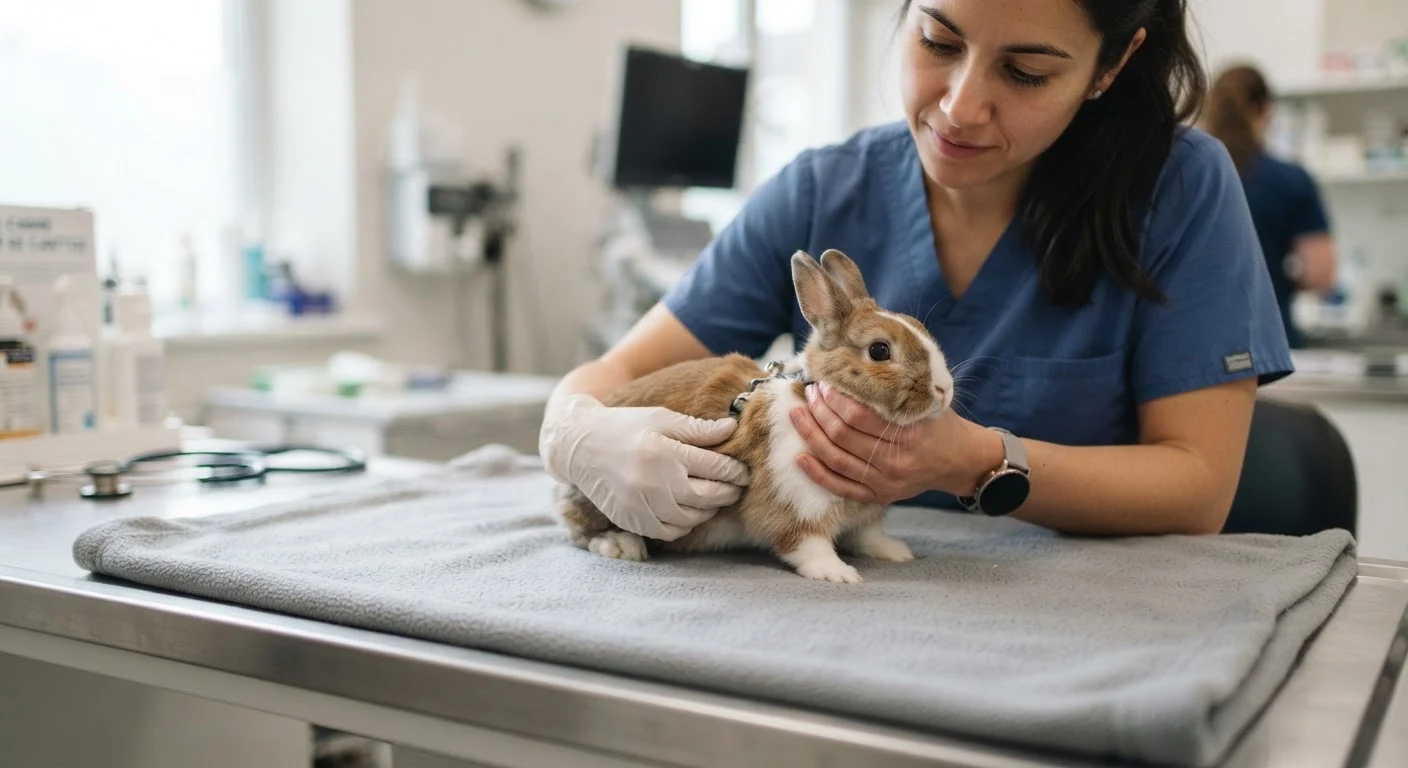
- Safe anesthesia and surgery: Performing procedures on a 2-pound rabbit or a parakeet requires very different anesthetic protocols than those used for dogs and cats.
- Behavior and husbandry guidance: Exotic vets often counsel owners on housing, handling, and enrichment — factors that directly affect health.
For rabbit owners especially, finding a rabbit-savvy vet is considered a foundational step in responsible ownership. See our guide to rabbit care from day one for more on what to have in place before bringing one home.
Establish Care Before an Emergency
Don't wait until your small pet is sick to find an exotic vet. Scheduling a well-pet visit shortly after bringing a new animal home gives your vet a health baseline and ensures you're not scrambling to find qualified care during a stressful situation. Ask your breeder, rescue, or shelter for vet recommendations at the time of adoption.
Which Pets Typically Need an Exotic Vet
If your companion animal is not a dog or cat, there's a strong chance you'll benefit from an exotic vet at some point. Common pets that fall under exotic veterinary care include:
~14M
Small animals kept as pets in U.S. households
According to the American Pet Products Association's National Pet Owners Survey, tens of millions of American households own small animals such as rabbits, hamsters, and guinea pigs.
Varies
Exotic vet availability by region
Access to exotic animal veterinarians varies significantly by geography; rural areas often have fewer options, making early planning especially important for owners of non-traditional pets.
- Small mammals: Rabbits, guinea pigs, hamsters, gerbils, rats, mice, chinchillas, and ferrets
- Birds: Parrots, cockatiels, canaries, finches, doves, and other companion birds
- Reptiles: Bearded dragons, leopard geckos, ball pythons, tortoises, and turtles
- Others: Hedgehogs, sugar gliders, and occasionally fish or amphibians
Because many of these animals mask symptoms of illness — a survival instinct from their wild ancestors — owners often don't notice a problem until it's advanced. Learning to read subtle signals is critical. Our article on signs your small pet may be unwell can help you know when to act quickly.
How to Find and Prepare for an Exotic Vet
The best time to find an exotic vet is before you have an emergency. Start your search using professional organization directories — the Association of Exotic Mammal Veterinarians (AEMV) and the Association of Avian Veterinarians (AAV) both list member practitioners. Local exotic animal rescues and shelters are also practical referral sources, since they work with these vets regularly.
When evaluating a potential vet, it's reasonable to ask:
- How many patients of my pet's species do you see per month?
- Do you have access to species-appropriate anesthesia equipment and monitoring?
- What happens if my pet needs emergency care outside your hours?
Once you've found a vet, schedule a baseline wellness visit even if your pet seems healthy. This establishes normal values for your individual animal and gives the vet a reference point if something changes later. Proper handling techniques for small animals can also make the visit less stressful for both your pet and the veterinary team.
This article is for general informational and educational purposes only and does not constitute veterinary advice. Always consult a qualified veterinarian for guidance specific to your pet's health needs.