The Concept, Stripped Back
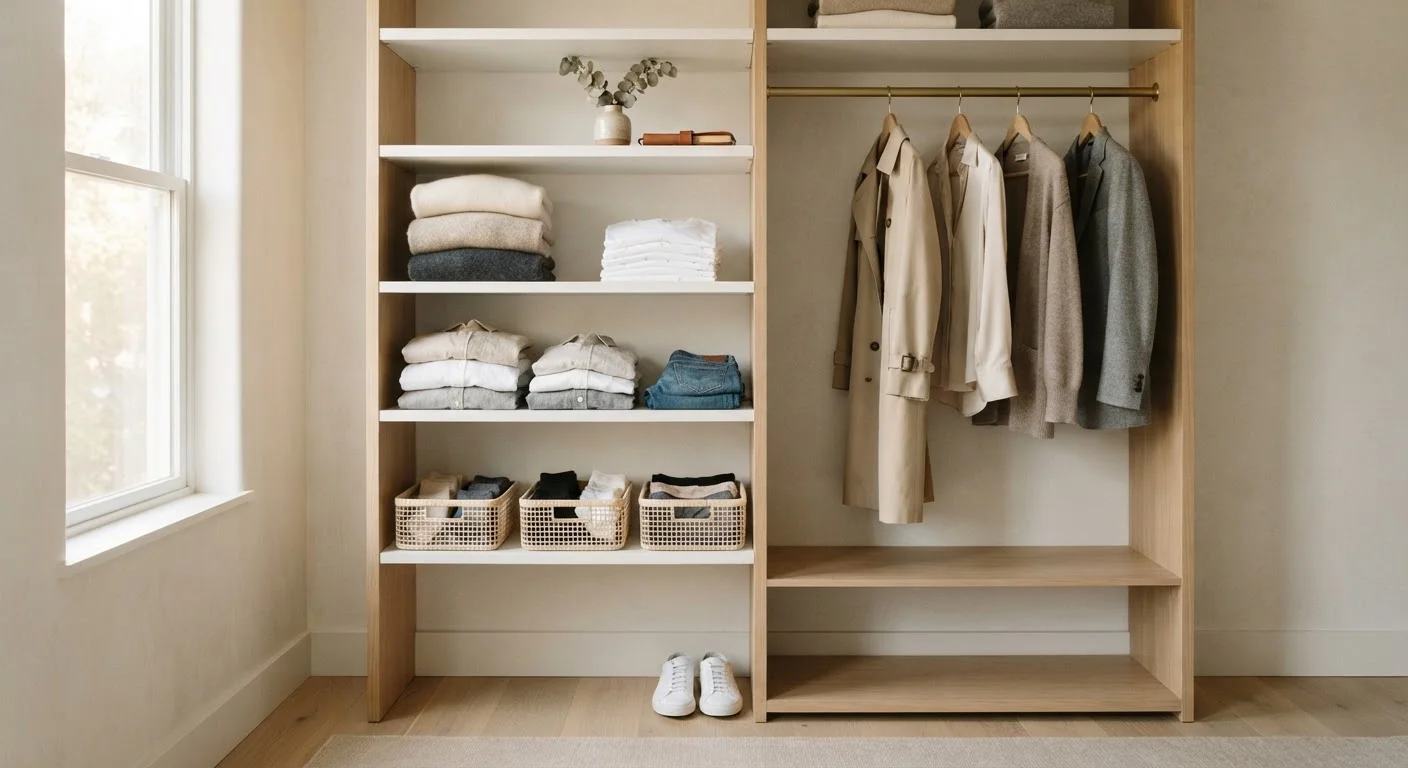
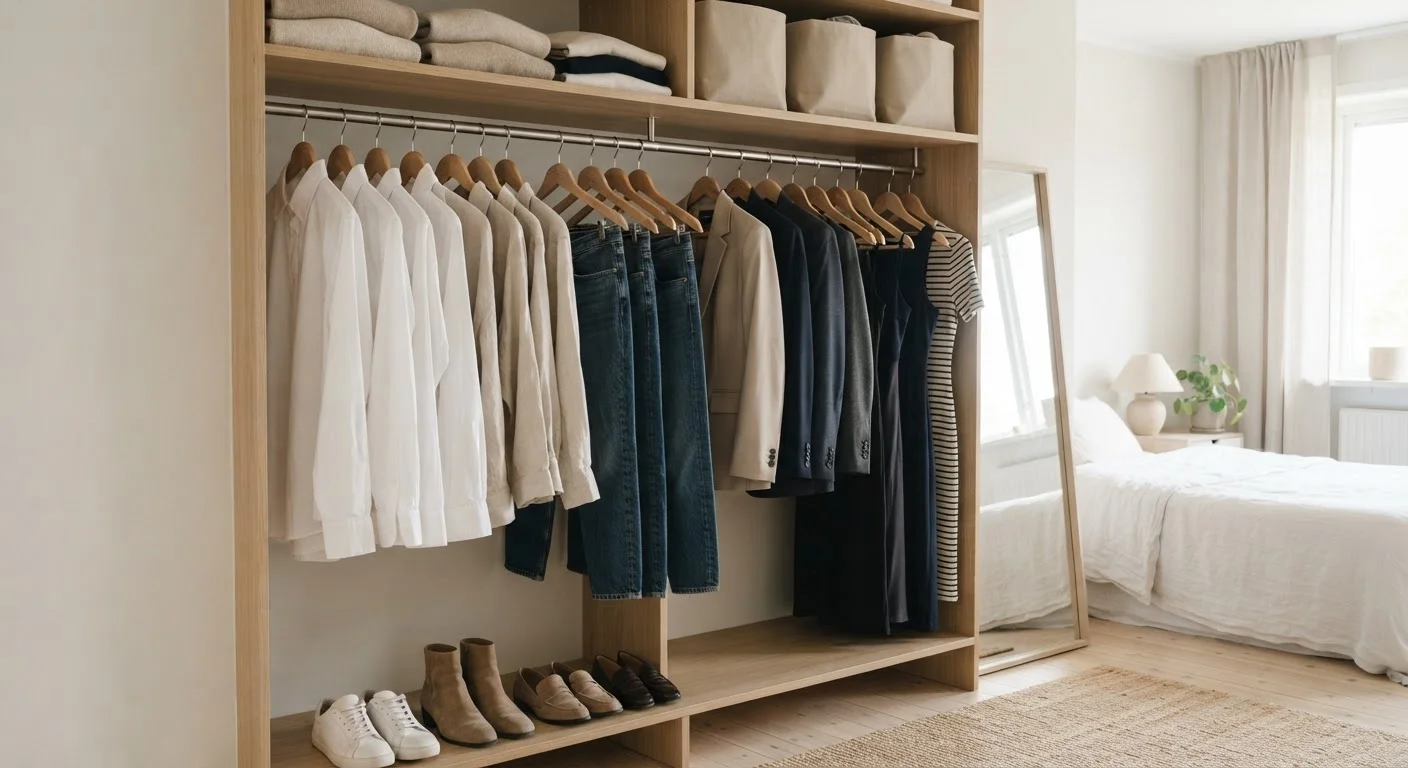
At its core, a capsule wardrobe is just a curated set of clothes you actually wear. Every piece earns its spot by being versatile enough to pair with multiple other items, durable enough to last more than a season, and suited to the life you actually live — not the one you imagine having.
It's worth separating the concept from the aesthetic it's often packaged with online. Capsule wardrobes don't have to be all-neutral, minimalist, or expensive. A teacher, a nurse, a freelancer, and a retiree will each have very different capsule wardrobes — and all of them are valid. The method is flexible; the visual tropes surrounding it are not the method itself.
For more on building out a wardrobe intentionally from the ground up, see our guide to building a wardrobe from scratch.
Capsule Wardrobes Aren't One-Size-Fits-All
A capsule wardrobe for someone living in Miami will look very different from one suited to Minneapolis winters. Similarly, someone with a formal dress code at work needs a different structure than a remote worker. The principles — versatility, intentionality, real-life fit — are universal, but the specific contents are always personal.
How It Actually Works in Practice
Building a capsule wardrobe usually starts with a wardrobe audit — going through everything you own and honestly assessing what you wear, what fits well, and what genuinely suits your current lifestyle. Items that don't pass that filter are candidates to donate, sell, or store.
From there, the process involves identifying gaps. If you work in an office five days a week but own ten casual weekend tops and two work-appropriate shirts, your wardrobe isn't reflecting your actual life. Filling those gaps thoughtfully — rather than reactively — is where the capsule approach pays off.
Versatility is the key criterion for every new addition. Wardrobe staples that earn their keep across multiple occasions are the backbone of this approach. A well-cut blazer that works over a dress, with jeans, or over a casual tee is a better investment than a highly specific statement piece with limited pairing potential.
~85%
Of wardrobe items worn rarely or never
Various consumer behavior surveys have consistently found that most people regularly wear only a small fraction of the clothes they own, suggesting significant room for wardrobe streamlining.
30–50
Typical capsule wardrobe item range
Most capsule wardrobe frameworks recommend between 30 and 50 total items, though no universally agreed standard exists — the right number varies by lifestyle and climate.
2x
Global clothing production since 2000
According to the Ellen MacArthur Foundation, global clothing production roughly doubled between 2000 and 2015, while the average number of times a garment is worn before disposal declined.
Does It Actually Work — And For Whom?
The honest answer: it works well for some people and less well for others. Research on decision fatigue — the idea that making too many small choices depletes mental energy — supports the general logic behind owning fewer, easier-to-combine pieces. A wardrobe that requires less deliberation every morning is a genuine quality-of-life improvement for many people.
Where it can fall short is when the wardrobe is built around an aspirational identity rather than an honest one. If you build a capsule around sleek city looks but you spend weekends hiking, you'll end up shopping again quickly. The concept only works when it reflects real life.
It's also not a one-time fix. Life changes — jobs, climates, body changes, new hobbies — mean a capsule wardrobe needs revisiting. Our seasonal wardrobe transition checklist can help you stay on top of that without starting over every few months.
“The capsule wardrobe idea was about having a few well-chosen pieces that work together — not about deprivation, but about having exactly what you need.”
— Susie Faux, London boutique owner, credited with coining the term 'capsule wardrobe' in the 1970s
Starting Without Overthinking It
The biggest trap is treating the capsule wardrobe as a project that needs to be perfect before it begins. It doesn't. Start with what you have. A structured wardrobe audit is a useful first step — it helps you see what you actually own before adding anything new.
From there, resist the urge to buy a full curated set at once. Add pieces as genuine needs emerge. Over time, intentional choices compound: fewer impulse purchases, less closet clutter, and — for many people — a noticeably calmer morning routine.
Spending less on clothes isn't just a style benefit. Keeping discretionary spending in check feeds into broader personal budgeting goals, making the capsule wardrobe a practical financial habit as much as a style one.
Start With a 'Wear Test' First
Before buying a single new item, spend two weeks getting dressed only from clothes you already own. Note what you reach for repeatedly and what you skip entirely. This honest data is far more useful than any generic capsule wardrobe list you'll find online — it tells you what your actual capsule already is, and where the real gaps are.