The Chemistry Behind the Decline
Your phone battery doesn't fail suddenly — it fades gradually through a predictable chemical process. Modern smartphones use lithium-ion batteries, which store energy by moving lithium ions between two electrodes. Every time you charge and discharge, those electrodes experience tiny amounts of physical stress and chemical change. Over hundreds of cycles, the material degrades and the battery holds less total energy.
This isn't a flaw or a sign of poor manufacturing. It's the fundamental nature of the technology. What you can control is the pace of that decline. Certain habits accelerate degradation significantly — often without users realizing it. Understanding what those habits are is the first step to getting more useful life out of your device.
For context, battery wear is one part of a broader pattern of device aging. Phone slowdowns over time often involve battery health alongside other factors like software and storage.
~500
Typical lithium-ion full charge cycles before significant capacity loss
Battery manufacturers generally rate lithium-ion cells to retain around 80% capacity after approximately 300–500 full charge cycles, though real-world results vary by usage and temperature.
~20%
Average capacity loss after two years of typical smartphone use
Industry testing and phone-maker documentation commonly show batteries losing between 15% and 20% of original capacity within two years under typical daily charging habits.
Common Charging and Usage Mistakes — and How to Fix Them
Most battery degradation comes down to avoidable habits rather than unavoidable aging. The mistakes below are among the most common — and correcting even one or two can make a real difference over the life of your device.
Charging your phone to 100% and leaving it plugged in overnight, every night.
Why it happens: Overnight charging is convenient, and many people assume that once the battery is full, the charger simply stops. In reality, most devices trickle-charge to maintain 100%, keeping the battery under continuous low-level stress.
Regularly draining the battery all the way to 0% before charging.
Why it happens: Older nickel-based batteries benefited from full discharge cycles, so the advice has lingered. Lithium-ion batteries — used in every modern smartphone — operate on a fundamentally different chemistry.
Using your phone while it charges, especially for processor-heavy tasks like gaming or video streaming.
Why it happens: It feels harmless since the phone is plugged in. But charging already generates heat, and running demanding apps simultaneously compounds it significantly.
Storing or using the phone in consistently hot environments.
Why it happens: People don't always connect physical environment to battery wear. A phone in a pocket on a hot day, left on a car dashboard, or placed near a heat vent seems like a minor inconvenience rather than a long-term problem.
Ignoring background app activity that silently drains the battery throughout the day.
Why it happens: Background refresh, location services, and push notifications run invisibly. Users notice that the battery drains fast but don't connect it to software behavior they haven't reviewed.
Extreme Temperatures Cause Permanent Damage
Leaving your phone in a hot car, on a sunny windowsill, or in a freezing environment doesn't just affect the current charge — it causes chemical changes inside the battery that cannot be reversed. Even brief, repeated heat exposure accumulates damage. If your phone regularly feels warm while charging or during use, that heat is shortening the battery's usable life.
If your phone's battery health has already dropped significantly, adjusting habits going forward will slow further decline but won't restore lost capacity. At that point, a battery replacement — available through the manufacturer or a qualified repair shop — is typically the most practical solution. It's worth comparing that cost against a new device, since a fresh battery can make a two- or three-year-old phone feel substantially more capable again.
Battery Health Is Measurable — Check It
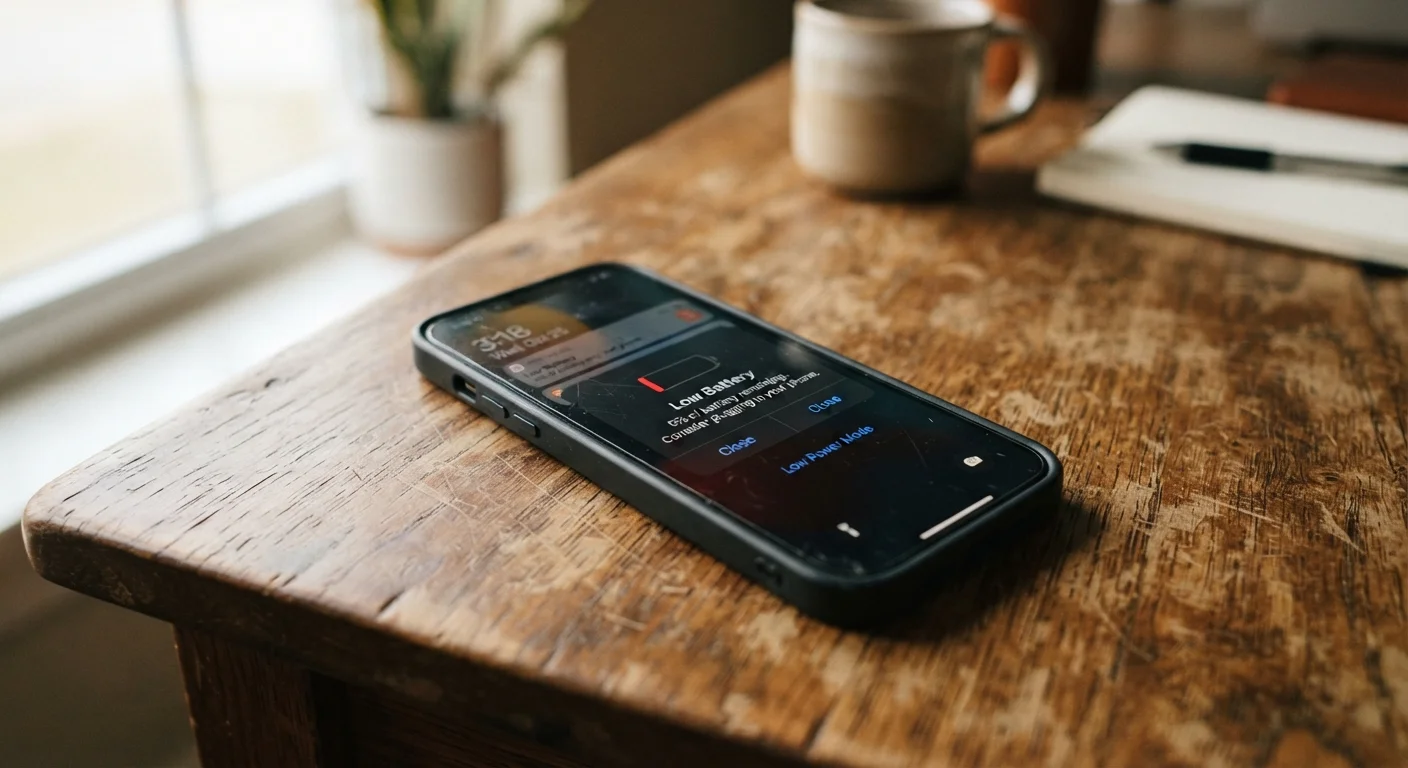
Most modern smartphones include a built-in battery health tool in the settings menu (often under Battery or Device Care). If your phone reports capacity below roughly 80%, that degradation is real and measurable — not just a feeling. Knowing your actual health percentage helps you decide whether a habit change or a battery replacement makes more sense.
Battery behavior in laptops follows similar principles. Factors affecting laptop battery life overlap considerably with what applies to phones.