What App Permissions Actually Are
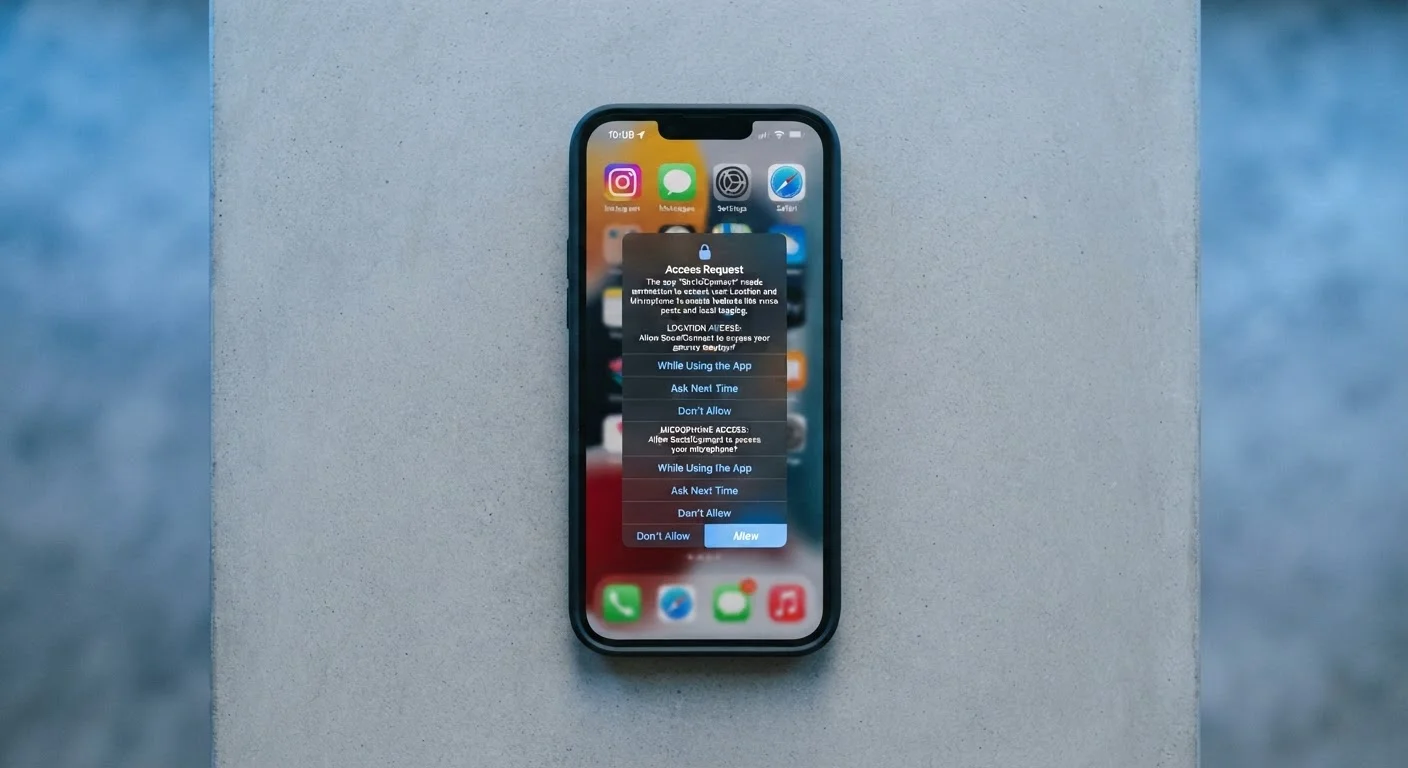
Every time an app asks "Allow access to your location?" or "Let this app use your microphone?", it's requesting a permission — a gate your phone's operating system places between the app and your personal data or hardware. Without your approval, the app simply can't reach that resource.
This system exists because apps are written by third-party developers, not your phone's manufacturer. Your device can't assume every app has good intentions, so it makes access opt-in. When you tap Allow, you're explicitly opening that gate. When you tap Don't Allow, the gate stays shut.
Permissions are grouped by category — location, contacts, camera, microphone, photos, and so on — and you can grant or revoke them independently for each app. Understanding what each category actually touches is the foundation of making informed decisions.
App permission
A user-granted approval that allows an app to access a specific feature or data source on your device, such as your camera or location.
Permission prompt
The pop-up dialog your phone displays when an app first tries to access a protected resource, asking you to allow or deny access.
Permission Manager
A built-in section of your phone's Settings where you can view and change all app permissions, organized by app or by permission category.
Granular control
The ability to set permissions at a fine level — for example, choosing 'only while using the app' for location rather than a simple on/off toggle.
Always-on access
A location permission setting that lets an app read your GPS coordinates continuously, even when the app is running in the background.
The Most Common Permissions and What They Access
Here's what the most frequently requested permissions actually do:
- Location: Reads your GPS coordinates. Options typically include always, only while using the app, or never. Navigation and weather apps have clear reasons for this; most others don't need continuous access.
- Camera: Opens your device's camera hardware. A QR-code scanner or video-chat app has an obvious need. A coupon app requesting camera access warrants a second look.
- Microphone: Activates the device's microphone. Voice assistants, podcast recorders, and calling apps need this. If a to-do list app asks for it, that's unusual.
- Contacts: Reads the names, phone numbers, and email addresses stored in your address book. Messaging apps often use this to help you find friends. Other app categories rarely have a compelling reason.
- Photos / Media: Accesses images and files stored on your device. A photo-editing app needs it; many other apps request it unnecessarily.
- Notifications: Allows the app to send you alerts. This one is low-risk from a data standpoint, but can affect how often you're interrupted.
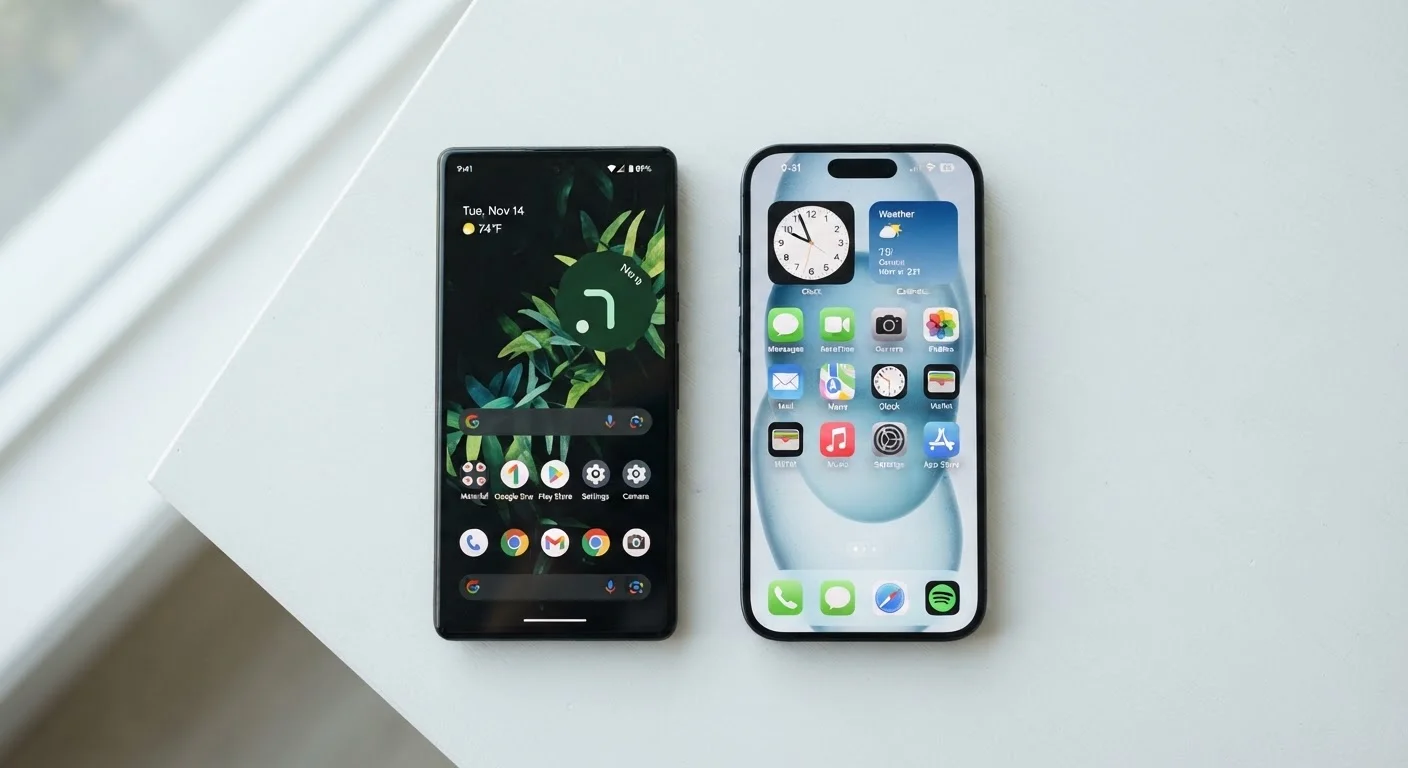
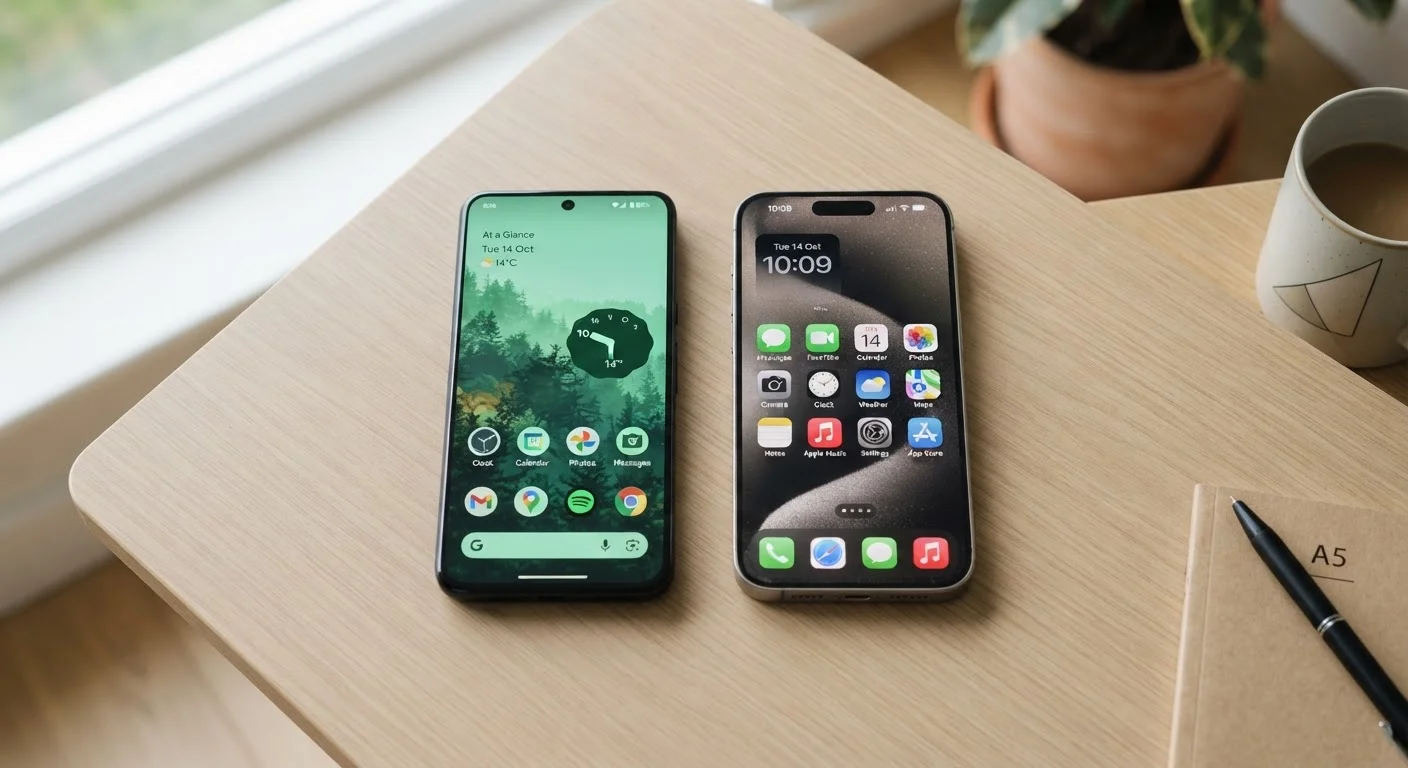
For a deeper look at how these permissions behave differently across platforms, see our comparison of how Android and iOS handle privacy in daily use.
When a Permission Request Should Raise a Flag
The key question to ask at any permission prompt is: Does this app's core function actually require this access? A mismatch between an app's purpose and what it's asking for is the most reliable warning sign.
Mismatched permissions are a real red flag
If a flashlight app requests access to your contacts and precise location, there is no legitimate technical reason for that combination. Requests that don't match an app's stated purpose can indicate data harvesting practices. In these cases, denying the permission — or uninstalling the app entirely — is a reasonable response.
Other situations worth pausing on:
- An app requests multiple sensitive permissions at first launch, before you've used it at all.
- A permission request appears with no explanation of why the app needs it.
- A free game or utility requests access to contacts, call logs, or precise location.
- An app from an unfamiliar developer asks for access that a well-known equivalent doesn't.
It's also worth considering what data a permission exposes in combination. Location plus contacts, for example, creates a richer picture of your life than either one alone.
For context on how smart home devices handle always-on access differently, our piece on smart speakers and privacy covers what the research and disclosures show.
How to Review and Adjust Permissions on Your Phone
You don't have to make a permanent decision at the moment an app first asks. Both major mobile platforms let you change any permission at any time.
On iPhone (iOS)
- Open Settings and scroll to the app you want to review, or search for it.
- Tap the app to see a list of permissions it has requested and their current status.
- Toggle any permission on or off individually.
You can also go the other way: Settings → Privacy & Security → select a category (e.g., Location Services) to see every app with that specific access at once.
On Android
- Open Settings → Apps → select the app.
- Tap Permissions to view and change each one.
- Alternatively, go to Settings → Privacy → Permission Manager to browse by category.
Start with a permission audit today
Open your phone's Permission Manager right now and look specifically at location, microphone, and camera. Revoke access for any app where the reason isn't immediately obvious to you. The whole review takes under five minutes and requires no technical knowledge.
Building Smarter Habits Around App Access
Permissions aren't a one-time concern. A few recurring habits keep your exposure in check over time:
- Audit permissions periodically. A few times a year, open your Permission Manager and scan for surprises — apps that have access you don't remember granting, or apps you rarely use.
- Delete apps you don't use. An unused app sitting on your phone with active permissions is unnecessary risk. Removing it eliminates the exposure entirely.
- Choose the least-access option by default. When in doubt, deny or select the more restricted option (like "only while using" instead of "always"). You can always enable more access later if a feature requires it.
- Read the request before tapping. The system dialog usually states why access is needed. If no reason is given and the app is unfamiliar, declining is reasonable.
Managing permissions is one piece of a broader mobile security picture. Our guide on keeping your phone secure covers the fuller set of habits that protect your data day to day.