Huntington’s disease – Foods to avoid and eating habits to follow

Huntington’s disease – Foods to avoid and eating habits to follow
Huntington’s disease is a hereditary disease that causes the degeneration of brain cells. One of the main symptoms of this condition is uncontrollable jerky movements in the arms, legs, face, head, and upper body (called chorea). Other symptoms may also include a decline in thinking and reasoning skills, alterations in mood, and behavioral changes. This article explores how the condition impacts one’s eating and food management strategies to improve nutritional intake. How Huntington’s affects the body and food intake Chorea Huntington causes jerky, uncontrollable movements called chorea. This can use more energy, increasing one’s caloric needs. Difficulty in planning Huntington’s may cause short-term memory loss, making it difficult to plan meals in advance. This can also affect one’s food and nutrition. Clumsiness One may also experience stumbling and clumsiness. As a result, one may find it difficult to eat or drink, causing embarrassment among individuals with Huntington’s. Mood changes Cognitive changes with Huntington’s can cause depression and anxiety. This can cause changes in appetite, affecting one’s desire to eat. Muscular changes With Huntington’s, individuals may also have hand-eye coordination, eating, and posture issues. This can limit their ability to put food into their mouths, affecting their daily eating habits. Additionally, it can make it difficult to close the lips together, causing spillage.


Foods to avoid when one has multiple sclerosis

Foods to avoid when one has multiple sclerosis
Adding certain foods to one’s daily meal regime can help one stay healthy. On the contrary, some foods may worsen one’s health. Further, the choice of foods in one’s meal is particularly crucial if one has multiple sclerosis. Poor food choices may trigger inflammatory changes that aggravate the condition. In addition, certain foods may result in worsening multiple sclerosis symptoms, such as bladder and bowel function, cognitive changes, and fatigue. Damage to the myelin sheath triggers this autoimmune disease’s symptoms. This sheath sends signals between the spinal cord and brain to other body parts. A faulty sheath can cause the nervous system to misfire messages. So, following a nutritious meal plan can be useful when one has multiple sclerosis. Ideally, low-fat, fiber-rich, heart-healthy meals can be beneficial. It is important to learn about the different types of foods to avoid with multiple sclerosis. Saturated fats Full-fat dairy Palm oil Coconut oil Why avoid them? Saturated fats cause inflammation and also also increase the probability of conditions, such as hyperlipidemia, hypertension, and cardiovascular diseases that make multiple sclerosis more challenging. In addition to this, it can also cause high cholesterol that can result in atherosclerosis, which can put one at risk of stroke and heart attack.

Everything to Know About Migraine Triggers

Everything to Know About Migraine Triggers
Migraine is a type of headache that may result from a neurological condition. It causes severe pulsating pain, usually on one side of the head. If you regularly have migraine attacks, consult a neurologist who can treat your chronic migraine. The doctor will help you identify the factors that trigger your headaches and treat the pain accordingly. A person’s age, family history, sex, and hormones make them more prone to migraines. Migraine triggers Though the deep-rooted cause of migraines remains unknown, specific triggers can cause the onset of migraines. Some of them are: Food and food additives Particular food and chemical additives may set off migraine attacks. Fasting is another meal-related trigger that is responsible for this h ealth condition. Caffeine, chocolate, cheese, pickled, fermented, and cured foods are associated with a migraine attack. Also, it has been found that food items containing more Tyramine may cause this condition. It has also been reported that Migraines may also be triggered by aspartame, an artificial sweetener, and Monosodium Glutamate (MSG), the flavor enhancer. Many people believe in this rational finding, while the experiments have led to conflicting results for aspartame. Hunger and dehydration Hunger or skipping meals is another factor that triggers this health condition.

10 foods to a brighter glowing skin

10 foods to a brighter glowing skin
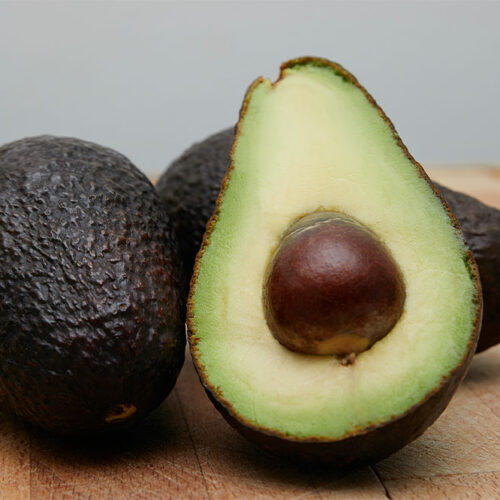
Skin care these days has become synonymous with splurging on masks, serums, creams, and massagers. As beneficial as these enriched solutions are, they cannot do it all. One of the main reasons for dull, lifeless skin is improper nourishment. It has long been known that the skin and hair reflect the kind of nourishment our body receives. Read this article to learn more about healthy and nourishing foods for nourished skin: Avocados If we had to pick just one food to maintain healthy glowing skin among the numerous options available, avocado would be it. Its rich and creamy texture provides versatility that helps incorporate the fruit into various recipes. Avocados carry a trusting balance of healthy fats, essential nutrients, and taste. It is truly a superfood that significantly assists in maintaining the skin’s firm and fresh look. Its fatty acid content makes it a natural moisturizer and keeps the skin dewy looking through all seasons. Berries Antioxidants have a bigger picture to paint when it comes to health than we generally give them credit for. The ability of these compounds to help maintain physical, mental, and emotional well-being is unmatched. So is their ability to keep the skin glowing, fresh, and free of blemishes.

3 tips that help manage depression

3 tips that help manage depression
Depression, one of the common mental disorders, affects about 5% of the global population. There are three stages of the disorder, namely mild, moderate, and severe. The moderate and severe forms can impact a person’s daily routine. In many cases, severely depressed people can feel suicidal. About 17.3 million people suffer from depression, and the disorder is more prevalent in females than males. These are the three ways to help manage mental disorders: Get treated Although challenging and long-term, the illness is treatable. Getting the proper treatment at the right time can make a crucial difference to the quality of life. REXULTI and CAPLYTA are two proven treatment methodologies that have benefited many. REXULTI This is a psychiatric treatment belonging to the atypical antipsychotics class and is used for treating certain mental illnesses, including depression. It typically re-instates some of the natural chemicals in the brain and helps deal with everyday situations by controlling thoughts, nervousness, and hallucinations. It also positively influences the person’s energy levels, enhancing appetite, mood, and sleep quality. Caplyta This is another treatment that has proven results in the case of bipolar and depression. It is advised for adults and is used for treating patients suffering from bipolar I and II.

10 nutrition tips for managing PAH

10 nutrition tips for managing PAH
Pulmonary arterial hypertension (PAH) is a chronic condition characterized by high blood pressure in the arteries that go from the heart to the lungs. One may also experience chest pain, shortness of breath during periods of activity, dizziness, and swelling in the ankles and legs. The condition causes the narrowing or blocking of the arteries in the lungs, making the heart work harder to pump blood. This leads to weakened heart muscles and heart failure. Nutrition tips Living with PAH can be difficult. Although there is no cure yet, doctors may recommend treatment plans to manage the condition better. These treatments can further be supplemented by following a healthy nutritional plan. So, here are some tips to help one manage PAH better: Reduce salt and sodium intake Cutting back on salt and sodium intake is often the first piece of advice for those when dealing with PAH. Those living with PAH must limit their sodium intake to less than 2,000 milligrams a day. This is because excess sodium increases water retention in the body, making the heart work harder to pump blood, worsening the symptoms of PAH. Salt is a common additive in baking mixes, pickled foods, deli meats, frozen dinners, cheese, milk, canned vegetables, condiments, and sauces.

Our
Blog.

5 styling ideas for women over 60

5 styling ideas for women over 60

Age is a number when setting a true style statement. Regardless of anyone’s perception, just because you are reaching the 60s doesn’t imply to stop working on your appearance and renounce your desires to look fabulous. Fashion is not just merely about trends; it is about how you express yourself through clothes as the myths of age must not limit your expression. So, here are a few best styling ideas for women over 60: Embrace your age One of the most typical fashion mistakes people make is choosing outfits that are supposed to make them appear younger than their actual age. The problem with such a choice is that you are paradoxically accentuating your age when you try to look younger by wearing an outfit that will be more appropriate for youngsters. For example, if you don high heels, short skirts, or flashy fashions that might be more appropriate for a person half your age, you are indirectly making yourself appear “older.” Instead, you can opt for clothes that are specially tailored for women your age. Sporting “age-appropriate” dresses will conceal your age and make others appreciate your other features like glowing skin or your build. And consequently, you will appear much younger than your actual age.
Read More
5 tips to prevent and manage ulcerative colitis

5 tips to prevent and manage ulcerative colitis

Ulcerative colitis is a long-term inflammatory disease that triggers inflammation and ulcers in the digestive system. It impacts the colon and rectum’s innermost lining. The symptoms are typically produced over a period rather than unexpectedly. According to the latest studies, about 1 million people have ulcerative colitis, and if left untreated, it can be crippling and cause life-threatening conditions. So, here are 5 tips to prevent and manage ulcerative colitis: Get on with the treatment plan immediately Even though there is no concrete cure for ulcerative colitis, proper treatment can help ease the symptoms and signs of the condition and eventually provide long-term remission. If a patient feels that their bowel habits are consistently changing or if they experience any of the following symptoms and signs, they should immediately consult a doctor: Blood in stool Ongoing diarrhea that is not getting cured by any other types of treatments An unknown fever going on for more than a day or two Abdominal pain Diarrhea that wakes up the patient from sleep The treatments prescribed by the doctor will typically include a combination of oral therapy or surgery. As far as oral treatments are concerned, the doctor may prescribe any of the following types of therapies, depending on the patient’s existing condition:
Read More